


People who are learning Reiki or considering a session often have practical questions. These answers describe the practice respectfully while distinguishing Reiki beliefs from evidence about health.
What is Reiki and how does it work?
Reiki is a complementary practice in which a practitioner places hands lightly on or just above a person, with the goal—within the tradition—of directing energy. Some people understand it as spiritual practice; others choose it as a quiet or relaxation ritual. The proposed energy field has no scientific support, and Reiki has not been clearly shown effective for any health-related purpose, according to NCCIH.
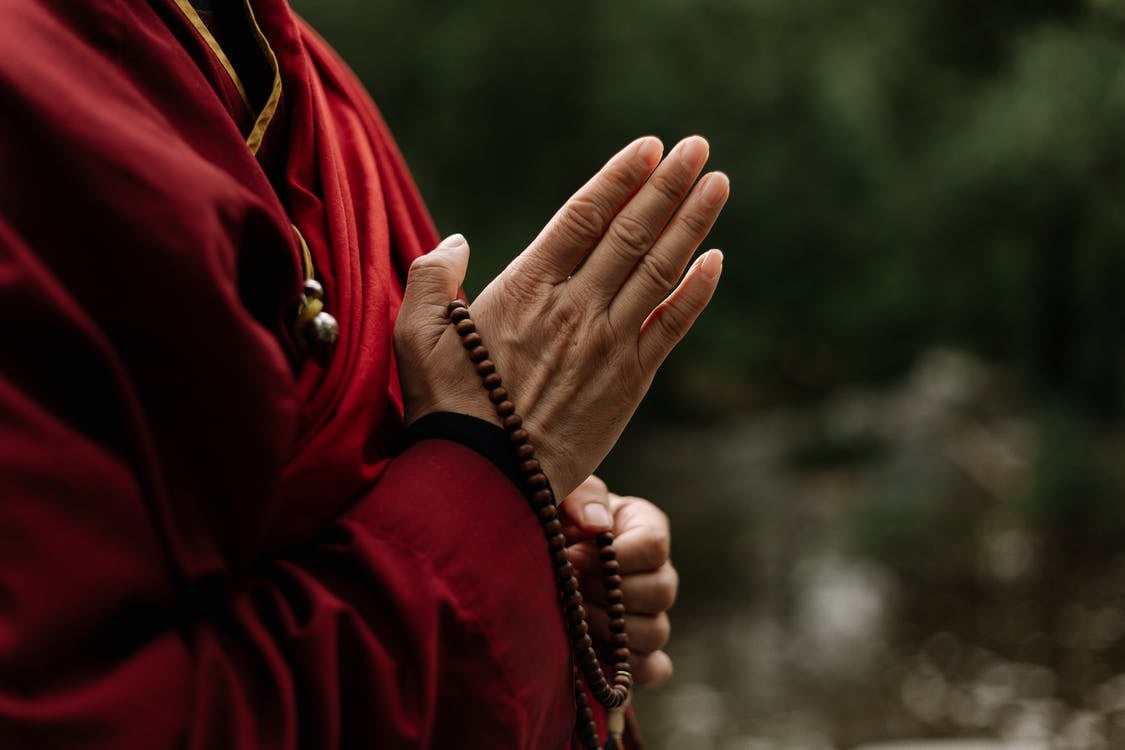
Reiki may be offered alongside other care if the person wants it. It does not diagnose, cure, or replace medical treatment. Practitioners should be clear about their training and scope and avoid claiming medical qualifications they do not hold.
What distinguishes Reiki from other energy practices?
Different spiritual and complementary traditions use different ideas, symbols, and rituals. Reiki is commonly taught through a lineage and practice system that includes symbols and attunements, though details vary by school. These are features of the tradition; they do not demonstrate that an energy field has been measured or that a session produces a health outcome.
Can Reiki practitioners cure themselves?
No practitioner can promise that Reiki will cure an illness. A person may choose self-Reiki as a personal ritual or quiet time, but it is not a substitute for assessment or treatment. If a health concern persists or worsens, contact a qualified health professional. The same boundary applies when offering Reiki to a pet: illness or injury needs veterinary care.
What if someone does not believe Reiki is real?
Belief is not a reason to pressure someone to receive Reiki. Explain what a session involves, including whether you intend to touch them, and let them choose. People may find a quiet session meaningful, feel relaxed, notice no change, or decide it is not for them. None of these experiences proves a medical effect. A practitioner should not promise a physical result; what if physical healing does not happen gives language for that conversation.
Can I focus on the place where someone feels pain?
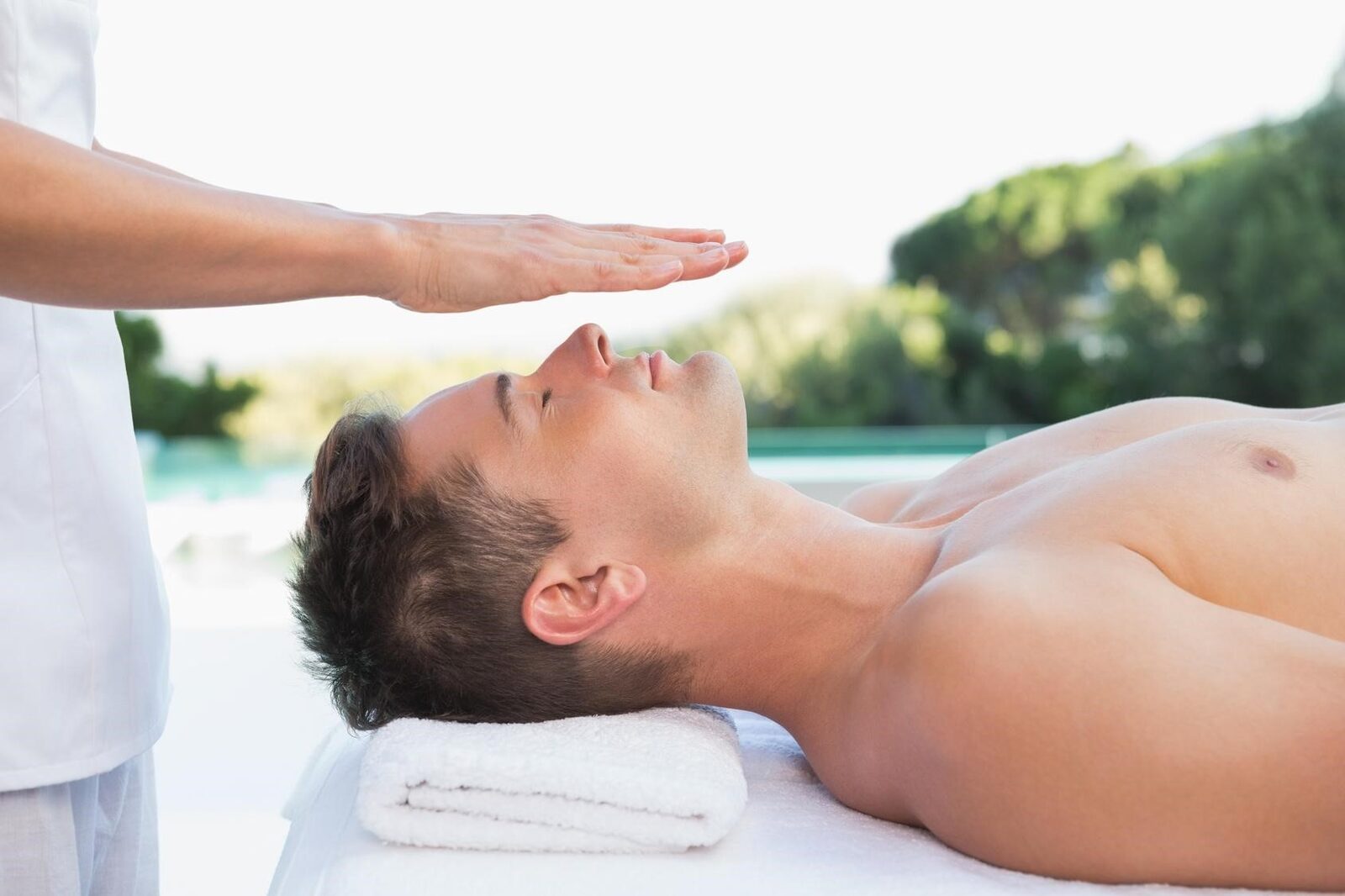
Only if the person wants a session and consents to the proposed touch. A Reiki practitioner should not interpret pain, scan for its cause, or tell someone where a condition is located. Pain can have many causes and may need medical evaluation. Ask before touching, avoid injured or sensitive areas, offer no-touch Reiki, and stop if asked.
A session can be short or long according to the recipient's preference; there is no required duration, whole-body sequence, or sensation that proves Reiki is working. If symptoms are new, severe, worsening, or concerning, medical evaluation takes priority. Reiki should never delay it.
Do I have to feel energy to know it worked?
No. Traditions differ in what they say practitioners may notice, but there is no reliable sensation that confirms a session “worked.” A recipient may feel warmth, tingling, heaviness, emotion, or nothing in particular. A practitioner may feel heat in the hands or may not. None of these is a diagnostic sign, and a lack of sensation is not a failure.
It is better to judge a session by whether it was respectful, comfortable, and clearly explained. If a practitioner tells you that a strong sensation proves a blockage has cleared, ask what they mean and remember that this is a traditional interpretation, not a medical finding.
How is Reiki different from massage?
Massage works directly on soft tissue with pressure and movement, and practitioners are usually trained and regulated in that distinct scope. Reiki, in most lineages, involves light touch or no touch, and the practitioner does not manipulate muscles or joints. A Reiki session may be offered on a massage table and may feel relaxing, but it is not a substitute for therapeutic massage or for physiotherapy.
Some practitioners combine Reiki with massage or other complementary work. If that is the case, ask which parts of the session involve hands-on bodywork and what training the practitioner has for each.
What should I do if I feel uncomfortable?
You can say so at any point, without explaining why and without waiting for the session to end. “Please stop,” “I would rather not be touched there,” and “Can we pause?” are complete sentences. A practitioner who ignores or argues with a clear request is not providing safe care.
It can help to agree on a signal before the session begins, especially if you are lying down and do not want to speak. Some practitioners offer a small hand movement or a word to indicate stop. If you freeze or become tearful, you are still allowed to stop; the practitioner should check in rather than assume that strong emotion is a good sign.
Can Reiki be given at a distance?
Many schools teach distance sessions or attunements as part of their tradition. The recipient is usually asked to sit or lie quietly at an agreed time while the practitioner works from elsewhere. There is no established mechanism by which a health effect travels across distance, so a distance session should be described as a spiritual or ritual practice rather than as remote medical treatment.
If you book a distance session, ask how the time will be arranged, what you are expected to do, and what the practitioner will charge. The same consent and stop-at-any-time principles apply. The distance attunement guide covers this in more detail.
Related topic: Reiki basics, Namaste, Reiki for living, Does Reiki Work? A Fair Look at Evidence and Practice, What is Reiki?.