


If you want to offer Reiki to the public, start with a manageable schedule and a simple, professional setup. Think through the space, hygiene, privacy, consent, insurance, record keeping and local requirements before taking regular bookings.
It is sensible to begin by practising with family and friends who freely agree, so you can build experience with a range of people. Future clients will expect you to be competent and to work within your scope. Regular practice can help you become more attentive to the person in front of you and more confident in your own routine, though it is not a form of scanning or diagnosis.
You can begin practising Reiki after Reiki 1, though many people wait until they have completed the additional training in Reiki 2 before offering sessions to the public. There is no fixed number of months or sessions that makes someone ready. What matters is honest competence: practise on yourself, receive feedback from people who agree to help you learn, and be able to explain clearly what you do and do not offer. Some schools and teachers have their own readiness requirements, so follow the guidance of your own lineage and check what is expected where you intend to practise.
Rather than counting treatments, aim for variety: work with several different people who have agreed to be practice partners, and ask them for honest feedback. A handful of sessions with one person will not tell you much about how you work with others. When you feel ready to charge, start gently, keep your scope clear, and review how each session went.
Treat each person with courtesy and care. Explain the session before it begins, agree on contact and boundaries, and describe Reiki within your training and scope.
Setting Up Your Practice Place
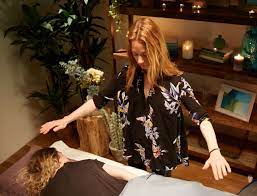
Starting small is best done in your own house, in a space that you can dedicate to your practice and keep neat. Alternatively, if you have the space, you may set up a treatment couch in your living room; it may feel less clinical than a dedicated room, but it can work well if the space is quiet and private. If you plan to work from home or to change how a room is used, check the rules that apply where you live — your local council or planning authority is the right place to start, not the police. You may also need to adjust your home insurance or check your mortgage or tenancy agreement; a qualified insurance broker or adviser can confirm what cover you need.
You can even treat your clients in the comfort of their own homes by bringing your therapy couch with you. Using a client's area has the advantage of allowing them to feel more at ease, but you must first determine if the space is appropriate. Children or dogs running around, ringing phones, or crying newborns would be terrible distractions when you were attempting to give a relaxing Reiki treatment!
Alternatively you may hire space in a neighbouring complementary health clinic, though the rent usually means you need a steady flow of clients for it to be viable. When choosing a room, think about practical matters as well as atmosphere: privacy, a comfortable temperature, somewhere to wash your hands, clean linen, and step-free access where possible. Let your intuition guide the feel of the space, but also do some market research — how many potential clients live nearby, what other practitioners charge, and what local rules apply — before committing to a full-time practice.
Before taking bookings
Set out your fee, session length and cancellation policy in advance. Explain that Reiki involves light or no touch, agree the areas to leave untouched, and make clear that the client can change their mind or stop at any time. Ask about access and comfort needs before the appointment; a sturdy chair can be an alternative to a couch.
Wash your hands before and after each session, use fresh linen for each client and clean shared surfaces. Keep only the notes you need and store them securely. The conduct and record-keeping guide explains consent, confidentiality and practical records. Confirm that your insurance covers the services and locations you actually use before accepting paid bookings.
A room checklist
Before you invite a client, check:
- Privacy. Can the room be closed, and can someone outside see or hear the session?
- Temperature and air. Is it warm enough for someone lying still, and can you ventilate without a draught?
- Light. Can you soften an overhead light without making the room unsafe to move around?
- Noise. What can you control, and what should you tell the client about?
- Access. Is there a step-free route, a place to sit while waiting, and space to open a couch?
- Wash-hand access. Is there a sink nearby, with soap and a towel?
- Storage. Where will linen, notes and personal belongings go?
- Fire and safety. Are candles, oils and cables kept away from the couch and walkways?
You do not need a perfect room. You do need to know its limits and to tell the client what to expect.
Working from home
Working from home can be convenient and affordable, but it blurs boundaries. Decide where the practice ends: a separate room, a screen, or a clear rule that the couch is put away after the last session. Keep client notes out of shared spaces, and do not take calls in front of family members. If children or pets are present, arrange care or explain the situation honestly; a client may prefer to rebook.
Check whether your tenancy, mortgage or home insurance restricts business use. A room used occasionally for clients may be treated differently from a dedicated clinic, and the rules vary. Ask rather than assume.
Taking the practice to a client's home
A mobile practice needs a portable couch, clean linen, a first-aid kit and a plan for parking and carrying equipment. Ask in advance about access, pets, air quality, other people in the home and where you can wash your hands. If the space is not private or not safe, you can decline or suggest another arrangement.
Do not move the client's furniture without permission, and do not use their kitchen or bathroom without asking. Leave the space as you found it. If someone else in the home is present, agree whether they will stay in the room, and give the client a way to ask them to leave.
Common questions
Can I practise in a shared living room? Yes, if you can make it private for the session and the people you live with agree. A screen or a closed door helps.
Do I need a separate entrance? No, but a clear route and a place to leave shoes and bags make a session feel calmer.
Is a clinic room better than home? It can feel more professional and separates work from home, but it adds rent and travel. Start with what you can sustain.
What if the client's home is unsuitable? Say so kindly and offer an alternative, or end the arrangement. A calm, private space is part of the service you are providing.
Related topic: Running a Reiki practice, Equipment you need, Getting the business started, The therapist-client relationship, Home space clearing.