

The five principles are used in some Reiki schools as brief prompts for daily reflection. English wording varies by teacher and translation. They are invitations to consider how one wants to live, not tests of spiritual worth or instructions to hide difficult feelings.
What Are The 5 Reiki Principles?
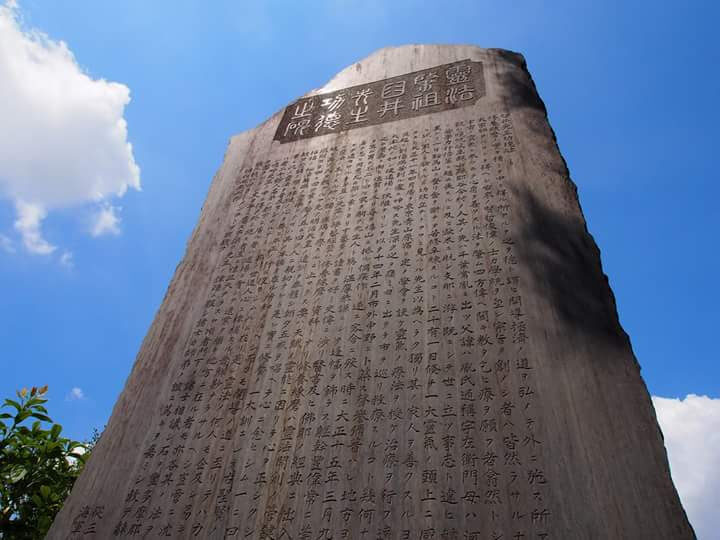
A published English translation of the 1927 Usui memorial inscription includes five admonitions. The inscription is a memorial written by people associated with Usui’s teaching community, and its English wording is mediated through translation. Other Reiki teachers use versions that add or phrase the principles differently. The translated memorial and its source notes help distinguish the recorded text from later teaching variants.
From The Reiki Alliance And Some Independent Reiki Masters
This version is used in some Western Reiki teaching:
- Just for today, do not anger.
- Just for today, do not worry.
- Honor your parents, teachers and elders.
- Earn your living honestly.
- Give thanks to every living thing.
From The Radiance Technique (set up by Dr. Barbara Ray)
Another version associated with the Radiance Technique is:
- Just for today, I will let go of anger.
- Just for today, I will let go of worry.
- Today I will count my many blessings.
- Today I will do my work honestly.
- Today I will be kind to every living creature.
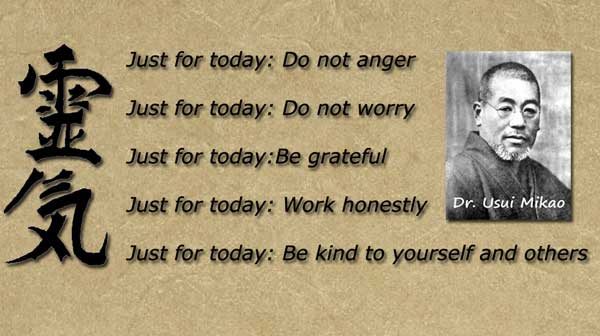
The memorial translation gives another wording: do not get angry today; do not be grievous; express thanks; be diligent in your business; and be kind to others. The source and its English translation are described in the memorial account. These versions are related in theme, but the precise wording and attribution differ.
The Usui Invitation
Some Reiki books present the following lines as an invitation associated with Usui. Wording differs among translations and teaching materials:
The secret art of inviting happiness
The miraculous medicine of all diseases
Just for today, do not anger
Do not worry and be filled with gratitude
Devote yourself to your work. Be kind to people.
The phrase about “medicine” belongs to the traditional wording; it is not evidence that Reiki treats disease. You can read the principles as reflective language without treating them as a health claim.
The version used in this course material is:
- Just for today, I let go of worry.
- Just for today, I let go of anger.
- Just for today, I will express gratitude.
- Just for today, I will do my work honestly.
- Just for today, I will be kind to my neighbor and every living thing.

Just For Today—Living In The Present
“Just for today” can invite attention to what is happening now. It does not mean that the future is unimportant or that a person should ignore a real problem. Reflection, meditation, prayer, or another practice is optional; different traditions understand the phrase in their own ways.
Do Not Worry
Worry can arise in response to uncertainty. The principle can be used as a gentle reminder to notice a worry and consider what support or practical next step may help. It is not a claim that worry is always avoidable or that someone has caused a difficulty by worrying.
If worry is persistent or affecting daily life, a person may choose to seek support from someone they trust or a qualified professional. Reiki reflection is not a substitute for that support.
Do Not Anger
Anger is a feeling; actions are choices. This principle need not mean suppressing anger, blaming yourself for feeling it, or staying silent when a boundary has been crossed. You can notice anger, take time before responding, and choose a safe and respectful next step.
Kindness does not require forgiveness, reconciliation, or tolerating harmful behavior. Personal safety and boundaries matter.
Show Appreciation And Count Your Blessings
Some translations invite gratitude or appreciation. This may be a moment to notice something valued, without denying grief, illness, loss, or other difficult experiences. A person does not need to feel grateful on demand.
Honor Your Parents, Teachers, And Elders
This wording appears in some Western versions and not in every translation. Respect can include listening and speaking thoughtfully, while still allowing people to set boundaries, disagree, or step away from unsafe relationships. The principle does not require obedience or continued contact.
Earn Your Living Honestly
Some teachers interpret this line broadly as a prompt to bring honesty and care to daily responsibilities. The meaning can be personal and may differ across translations. It is not a judgment on someone’s income, work status, or circumstances.
Be Kind To Every Living Creature
Kindness can include other people, animals, and oneself. It does not require agreeing with everyone or setting aside practical limits. You may use this principle as a small reflection on how to act with care in the situation in front of you.
Related topic: The Reiki principles, Reiki and gratitude, Reiki Academy, Student experiences, Reiki Angels.