


Reiki and aromatherapy are separate practices. Reiki is understood within the tradition as spiritual energy work; aromatherapy uses plant-derived essential oils, usually through inhalation or diluted skin application. Some people like a familiar scent during a quiet session, while others prefer a fragrance-free room. Neither practice is required, and a scent does not change Reiki's effects. NCCIH notes that evidence for aromatherapy varies by use and is limited for many health claims (NCCIH overview).
For an overview of what a Reiki session may involve, see Reiki treatment; the page also explains consent and the choice to decline touch.
Choose comfort first
Ask everyone in the room before introducing a fragrance. Offer a fragrance-free session as an equal option, and stop if anyone feels uncomfortable. Do not rub oils into the palms, apply them to chakra areas, spray them near someone's face, or ask a person to inhale directly from a bottle. Essential oils are concentrated; skin irritation or allergic reactions can occur, and some products can be harmful if swallowed. Do not ingest them. Check product directions and seek qualified advice before skin use. Keep oils and diffusers away from children and pets.
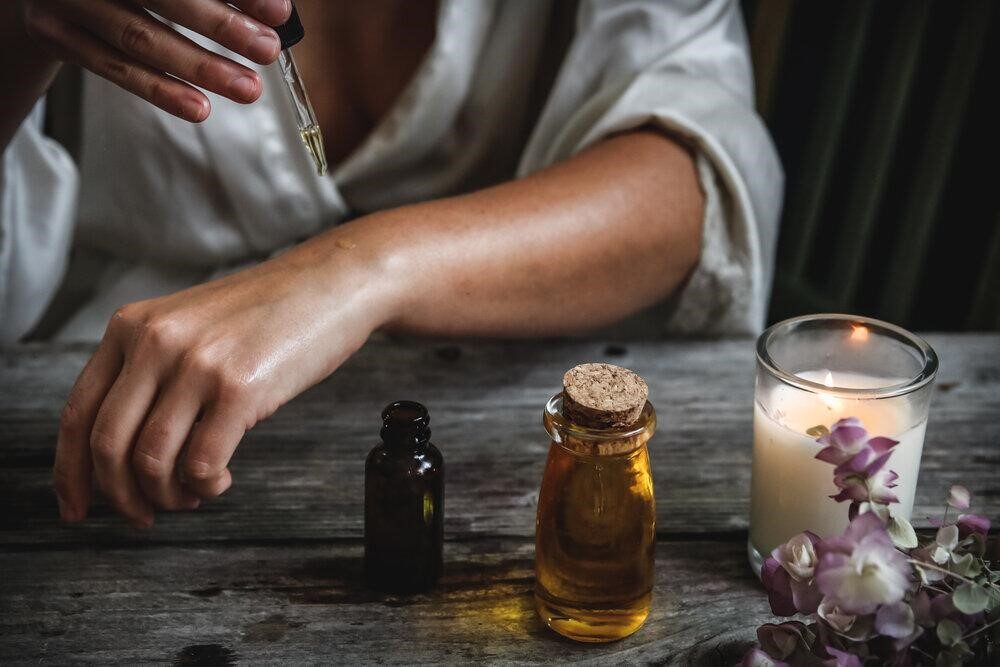
Scent and memory
A smell can remind a person of a place or experience. If you and the recipient both want a scent, use a small amount in a well-ventilated space according to the product instructions, rather than putting oil on the body. Avoid fragrance if someone has asthma, allergies, migraine triggers, respiratory sensitivity, or simply prefers not to have it. Do not use an aroma to explain, diagnose, or treat anxiety or another health concern.
Essential-oil examples
The scents below are examples often used in aromatherapy, not recommendations or treatments. Their effects vary from person to person, and some people may find any fragrance unpleasant.
Lavender
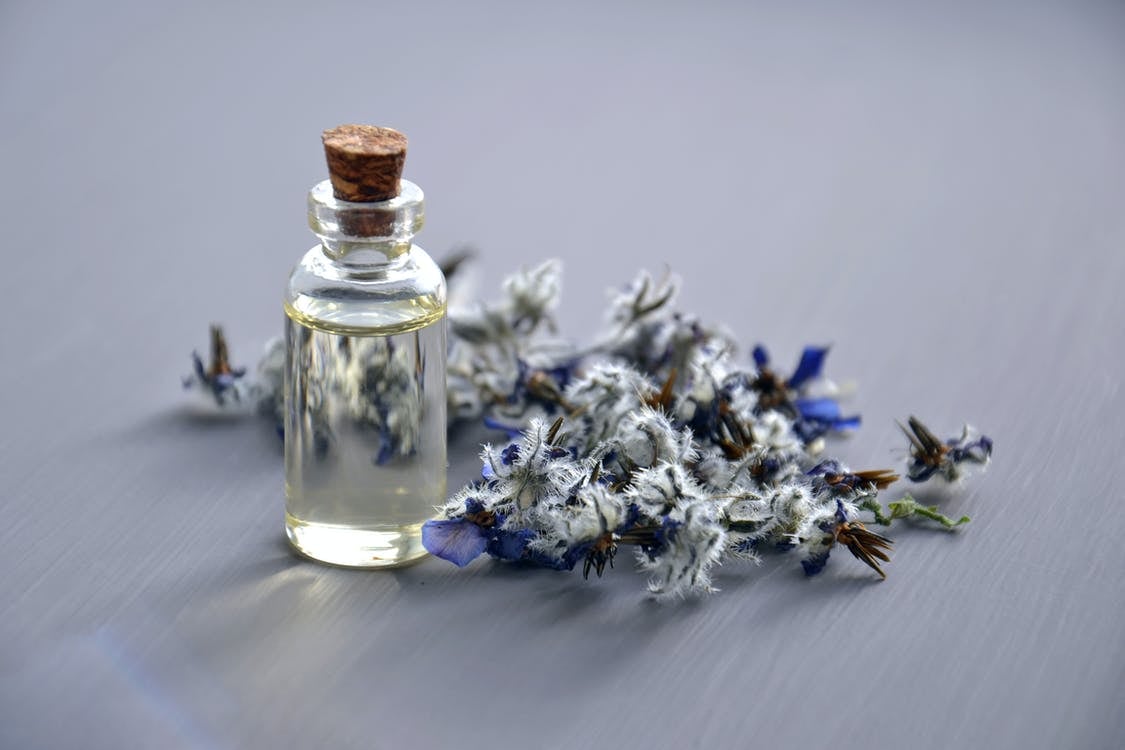
Lavender has a familiar floral aroma. Some people include it in a quiet evening routine because they like the scent; this does not establish that it treats low mood, sleep problems, or a chakra imbalance. Use only products as labeled and skip it if the scent is unwelcome.
Sandalwood
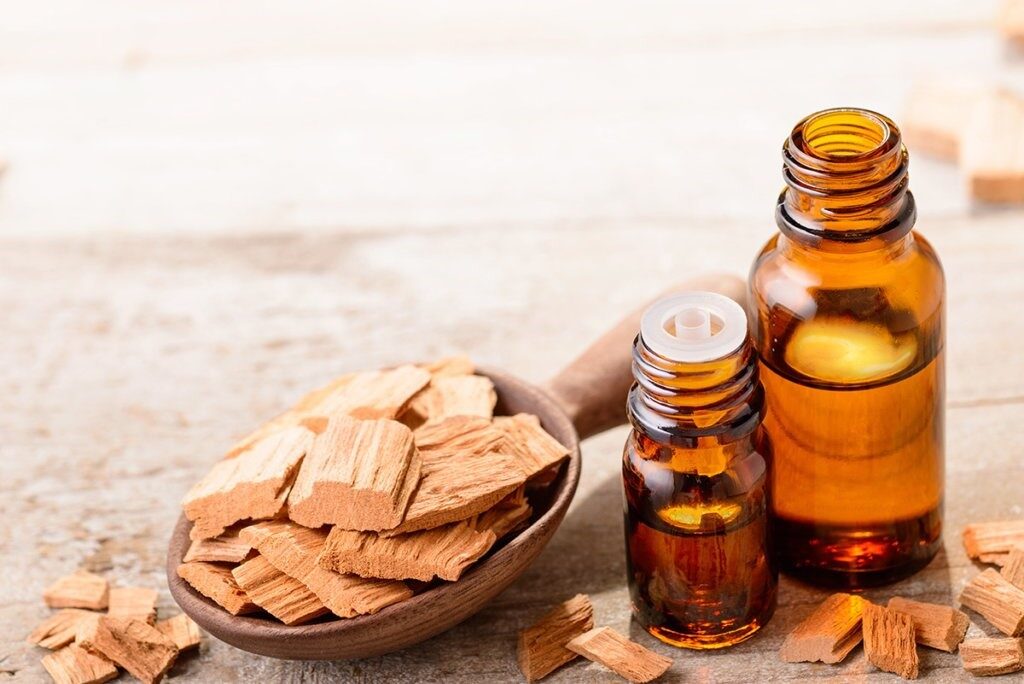
Sandalwood is often described as a warm, woody fragrance and is used in some spiritual settings. Linking it to intuition or the third-eye chakra is a symbolic tradition, not a medical or psychological effect. A pleasant aroma cannot identify whether someone is safe or accurately reveal another person's intentions.
Vetiver

Vetiver has an earthy scent. Some traditions use it in fragrance or spiritual practice; claims that it changes a person's energy, digestion, or stress response are not established here. Do not apply, ingest, or use an essential oil beyond its label instructions.
Bergamot

Bergamot comes from a citrus fruit and has a fresh aroma. Do not prepare oil by squeezing fruit peel onto skin; concentrated oils and some citrus products may irritate skin or cause other reactions. Use only a properly labeled product as directed, and avoid any scent that causes discomfort.
Patchouli
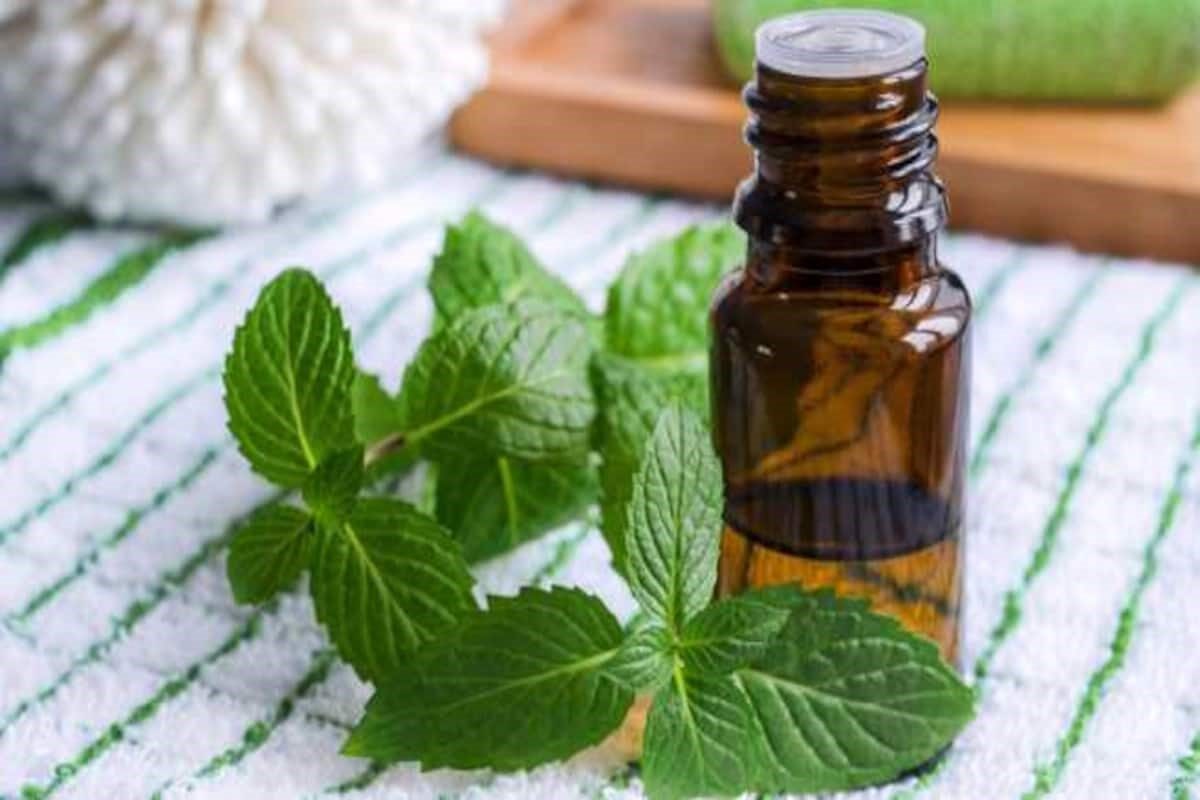
Patchouli's earthy aroma is sometimes used in incense and personal fragrance. Associating it with grounding or the root chakra is a spiritual interpretation, not evidence that it improves physical well-being or personal security.
Frankincense
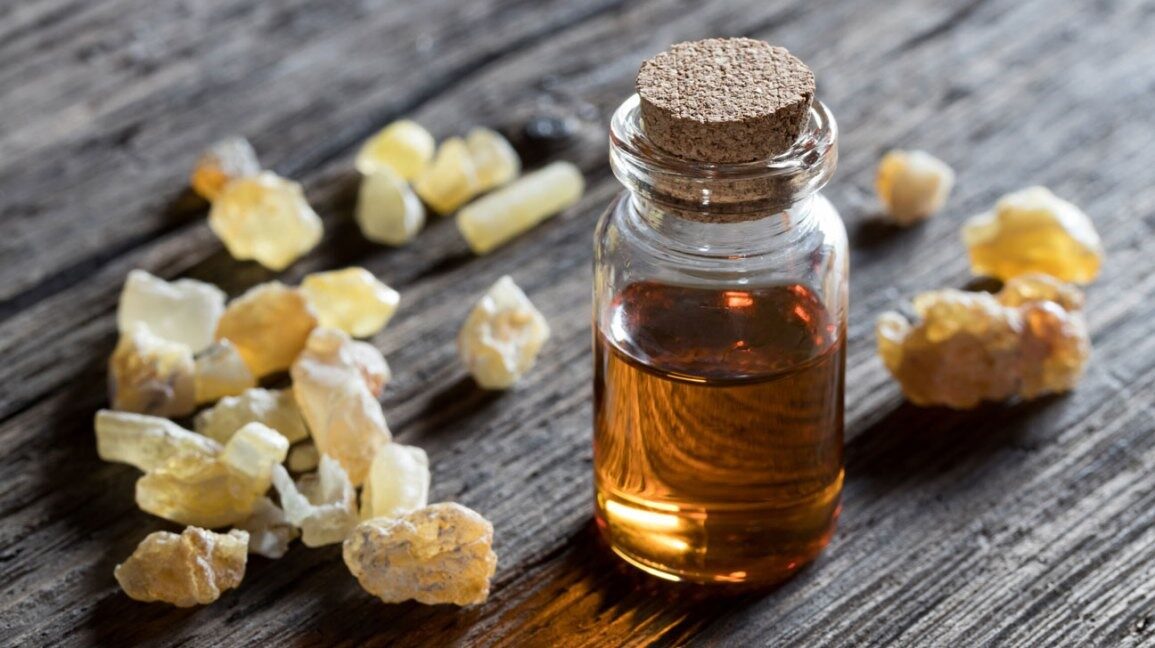
Frankincense is used as incense and in fragrance. Its historical or spiritual significance does not show that it relieves physical tension or changes mood. Avoid smoke and fragrance when they irritate anyone in the room.
Keep Reiki and aroma optional
A Reiki session can be offered without essential oils, music, or other additions. If another modality is included, explain it separately, ask permission, and respect a no. Never use fragrance to replace medical or mental-health care, and do not make claims about frequencies, chakras, or anxiety based on a scent.
For more information about product use and possible reactions, see NCCIH on aromatherapy and Poison Control's essential-oil safety information.
Related topic: Running a Reiki practice, Equipment you need, Getting the business started, The therapist-client relationship, Home space clearing.