


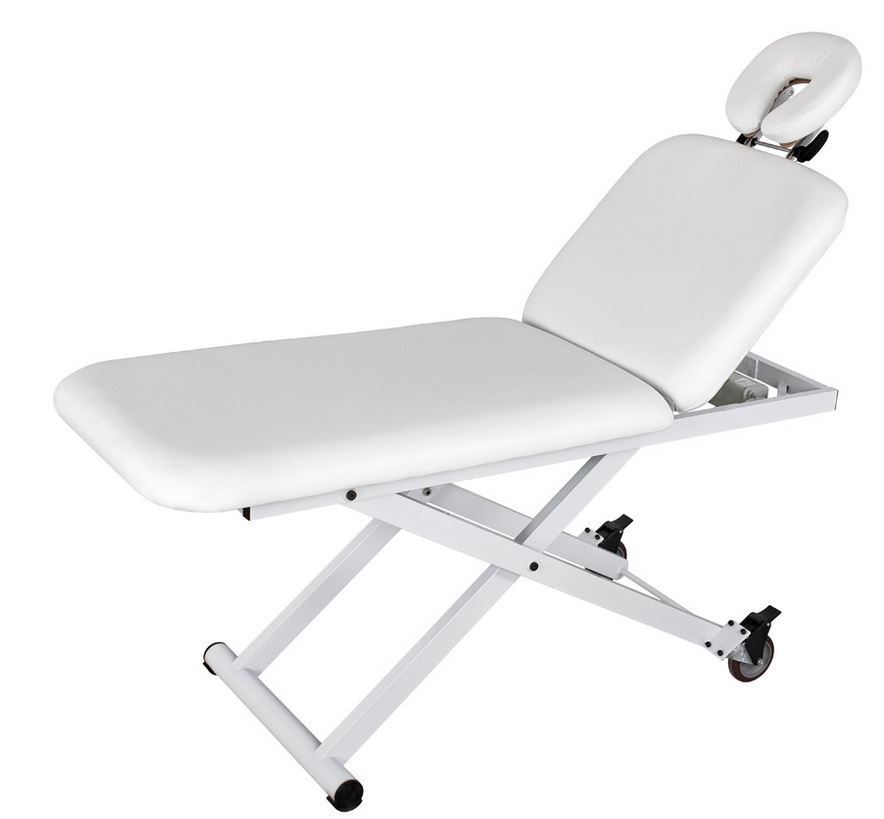
Setting up a Reiki practice involves a few practical costs. You will need somewhere comfortable to work, and a treatment couch is the main expense; prices vary widely by country, so check local suppliers rather than assuming any figure. Soft blankets, pillowcases and washable couch covers are also worth having. This page covers general planning; legal, tax and insurance requirements differ by country and can change, so treat the legal points below as prompts to check, not as advice. Setting up costs and legal responsibilities are part of running a Reiki practice, not a separate business course.
Insurance requirements depend on where you practise, what you offer and whether you employ anyone. Many practitioners carry public liability and professional indemnity cover, and employers usually need employer's liability cover; do not assume that any particular policy is mandatory. Ask a qualified insurance broker what cover is appropriate, and keep your certificates available to show clients if they ask.
Professional associations and practitioner networks are often a good source of guidance on insurance and local requirements; the UK Reiki Federation and the Reiki Association are two examples, and your own teacher may know of others where you live. Remember to budget for advertising, whether online, in print or through leaflets.
If you run your own business, you will usually need to keep accurate financial records and deal with tax, though the exact rules depend on your country and legal structure. A simple income-and-expenditure record of what you receive and what you spend is enough to start; an accountant or tax adviser can tell you what applies to you.
Record-retention periods vary by country, by record type and by business structure; common figures such as a number of years should always be checked against current official guidance rather than assumed. In the UK, HMRC and GOV.UK publish the current requirements for self-employed records. Confirm what applies where you are, and ask an accountant if you are unsure.
What Does Your Reiki Service Cost?
Finding out what other therapists in your area charge for comparable services, such as reflexology or massage, gives you a useful starting point. Set a fee that covers your time, room hire or travel, insurance and materials, and be clear about it in advance. Offering a lower price than everyone else does not automatically make your practice better or more attractive.
It is tempting to think a low price will bring clients from other practitioners, but it can leave you resentful and unable to sustain the work. Undercharging does not mean you value Reiki less; it may simply mean you have not yet worked out what your time and costs require. A fair, clearly explained fee is easier to live with than a bargain that cannot last.
When you give endlessly without a clear agreement, it can leave both people uncomfortable. Most of us have a sense of fairness, and receiving an open-ended gift can feel like an obligation rather than a kindness.
Some people will take advantage of free sessions and expect unlimited access. It is reasonable to set clear boundaries around your time and availability. It is not true, however, that paying makes a client more motivated or responsible; people approach their own care in many different ways, and a fee is not a measure of how much someone values it.
In the tradition, Reiki is not something you own, and charging for a session does not diminish it. You are entitled to be paid for your time, training, room and travel, as you would in any other work. Asking a fair fee for your time is part of taking your practice seriously.
Many people find it easier to give than to receive, so the first time you ask for payment can feel awkward. Set a fee that is fair to you and your clients, explain it before the session, and stick to it. If you want to offer some sessions free, do so by choice — for example, volunteering at a hospice or care home — rather than by never charging at all.
A simple start-up budget
You do not need a detailed financial model to begin, but a written list helps you avoid surprises. Include:
- One-off costs: treatment couch, linen, blankets, cushions, a lamp, storage boxes, a first-aid kit, and any printing.
- Ongoing costs: room hire or heating, insurance, website and domain, booking software, card fees, travel, laundry and replacement linen.
- Training costs: further courses, supervision or peer support, books, and any professional association fees.
- Contingency: a small amount for repairs, replacement or a quiet month.
Divide your total annual costs by the number of sessions you realistically expect to give. That gives you a break-even figure per session. If the figure is higher than the local market will bear, you need to change the plan — fewer overheads, a different venue, more sessions, or a different mix of services — rather than simply charging less and hoping.
Pricing models
There is no single correct way to price Reiki. Common approaches include:
- A fixed fee per session. Simple and transparent, and easy for clients to compare.
- A longer initial session and a shorter follow-up. Useful if you spend time on a consultation at the first appointment.
- A package of sessions at a modest discount. Convenient for the client, but only fair if they would have chosen the sessions anyway and the terms are clear.
- A sliding scale. A stated range with an explanation of who each price is for. It requires trust and clear boundaries.
- Donation-based. Workable in some communities, but it can make income unpredictable and blur the agreement. Decide in advance what the minimum viable contribution is.
Whatever you choose, put the price, what it includes, and the cancellation terms in writing. Review the price when your costs change, and give existing clients notice before a new price applies.
Records, tax and insurance
Keep a simple record of each payment and expense, with dates and receipts. If you accept cash, record it at the time rather than reconstructing it later. Separate business and personal accounts if you can; it makes the annual review much easier.
Tax rules depend on your country, legal structure and income. Ask an accountant or tax adviser what you need to register for and what you can claim. Do not assume that a small practice is automatically exempt.
Insurance is similar: the right cover depends on where you work, whether you visit clients, whether you teach, and what you offer. Ask a broker to explain the difference between public liability and professional indemnity, and check whether your policy covers distant sessions, animal work or teaching if you do those things. Keep your certificate where you can find it.
Common questions
Do I need a business bank account? Not always, but a separate account makes record-keeping clearer. Ask your bank or accountant what fits your situation.
Can I charge before I have insurance? Do not assume that you can. Legal, venue and association requirements vary; check the rules and your insurance cover before accepting public bookings.
Should I offer the first session free? It is a legitimate choice, but decide why you are doing it and set a limit. A free session can be a kind introduction or an open-ended habit.
How do I raise my prices? Tell existing clients in advance, explain the new fee plainly, and apply it from a stated date. You do not need to justify it with a story about energy or demand.
Related topic: Running a Reiki practice, Equipment you need, Getting the business started, The therapist-client relationship, Home space clearing.