


Reiki self-treatment with symbols means drawing or visualising a symbol while resting your hands comfortably on or above your own body. In Second Degree practice, the Power Symbol is often used to focus attention. Symbols cannot diagnose or treat illness; they offer a spiritual focus for a quiet session.
If you wish, you may draw the Power Symbol on each palm before beginning self-scanning or self-treatment, or simply picture it in front of you. Alternatively, you might draw or envision the sign over each region you are holding in mind. Each time you use the Power Symbol, silently repeat its mantra three times.
Self-Scanning
Self-scanning is a way some practitioners learn to notice their own energy through hand sensations. If impressions arise, do not treat them as a diagnosis or as a message about what is wrong with you. Notice them without judging yourself, and speak to a qualified professional about any health concern.
In the tradition, you allow Reiki to flow to the part of the body or energy field where you sense holding. Regular practice is described as supporting personal and spiritual growth. It does not make you able to diagnose or "clear" illness in yourself or others.
Self-Treatment Using Reiki Symbols
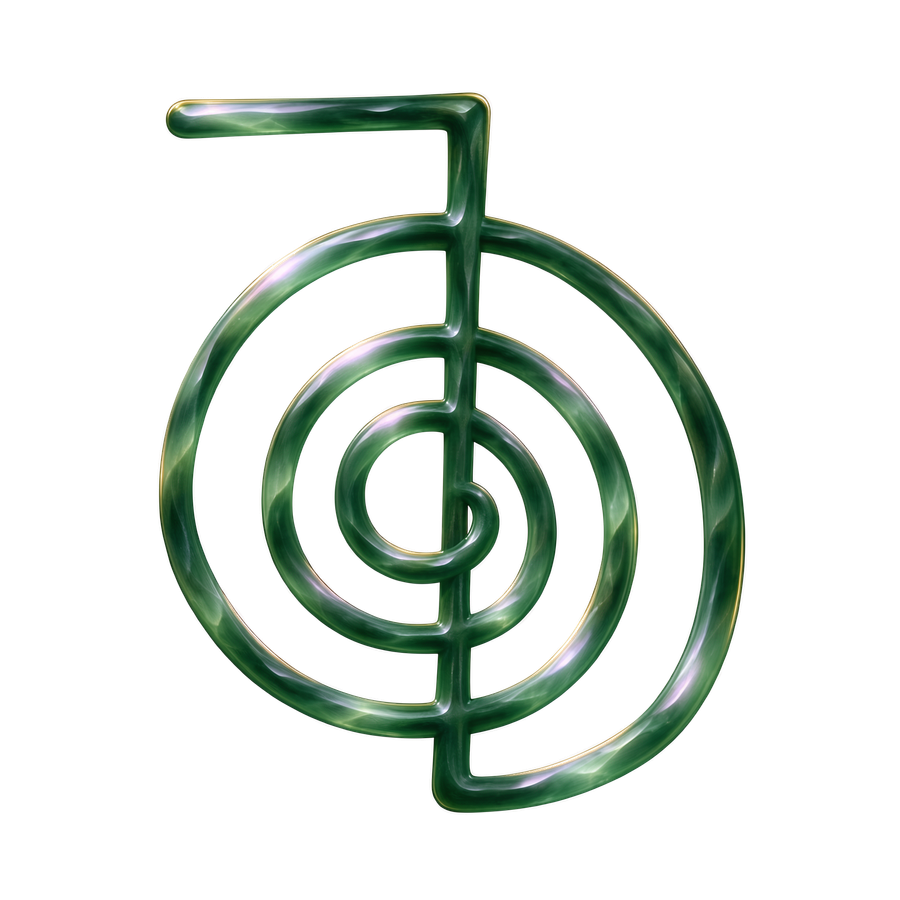
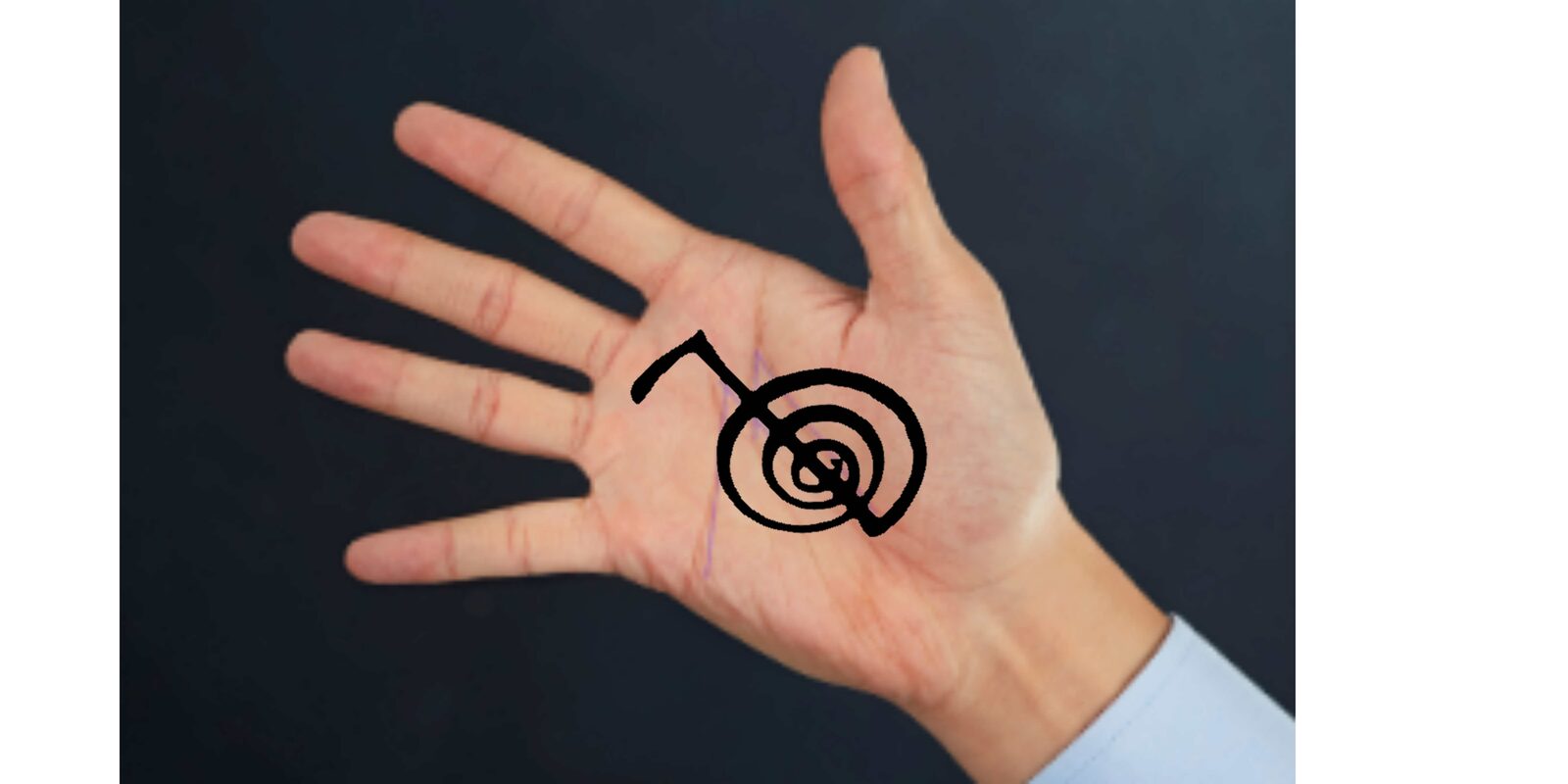
In the tradition, the Power Symbol is used to set the intention for self-treatment. Begin by drawing two power symbols on your palms and a large one in front of you, silently repeating the mantra three times. Then picture a Power Symbol in the air or over the area you are treating, repeating the mantra three times before each of the 12 hand positions. You can shorten or skip any step. A symbol can be used in self-treatment without a fixed ritual; using the Reiki symbols in different ways describes several optional approaches.
How Do I Heal Myself Emotionally And Mentally?
A "mental and emotional" practice, similar to the one described for use with others, can deepen your self-treatment. Allow around five minutes for the visualisation, or shorten the time in each position if you prefer.
- Begin by sitting or reclining peacefully with your hands on your heart chakra and performing a few moments of Reiki on yourself. Then, silently repeating its ancient mantra three times, draw the Power Symbol from the crown of your head to your solar plexus, imagining the clearing, protection, or empowerment it represents in your practice. (In many lineages the symbols are treated as private to initiates, and some practitioners prefer to draw them small or out of sight. Follow your own teacher's guidance.)
- Following that, draw the Power Symbol on each of your palms, repeat the mantra three times, and then lay one hand behind your head, covering the occipital bone.
- With your other hand, trace all three symbols over your head chakra, beginning with the Distant Symbol and repeating its sacred mantra three times, followed by your name.
- After that, draw the Harmony Symbol and repeat the mantra and your name three times.
- Finally, draw the Power Symbol, repeat the mantra three times, and see each symbol passing through the crown, brow and throat centres and into the heart, with the intention that this Reiki is offered with love and light for the highest and greatest good.
- Once this is complete, place the hand used to create the symbols on your crown chakra and continue the visualization sequence, imagining a soft white light filling your head and body.
- Continue with the full visualisation sequence described in our guide to Reiki symbols for mental and emotional practice.
- Once the visualization is complete, you may draw a Power Symbol over your solar plexus and/or heart chakras as a closing image. Say the chant three times and hold the intention of love and harmony in your practice.
- Finally, draw the Power Symbol over your crown chakra once more and recite the mantra three times to close the visualization and conclude this section of the treatment. Some practitioners picture this as closing the chakras and enclosing Reiki; it is a ritual image, not a bodily change. Naturally, you can conclude with a word of gratitude to Reiki for its numerous gifts and its profound power.
- You may now proceed with your self-treatment, as usual, placing your hands in each of the 12 hand positions, but you may shorten the time spent in each position if desired.
The Reiki symbols are traditionally described as powerful and versatile, and as deepening any hands-on practice. People who received Reiki from you before you took Second Degree may notice a change afterwards, but sensations vary and are not a measure of effectiveness. In the tradition, regular practice is also described as helping you tune in to the areas that seem to want attention; treat any interpretation of sensation as personal impression, not diagnosis.
A Shorter Version For A Busy Day
The sequence above is a full practice, not a minimum standard. On a day when you have five minutes, you can keep the shape and drop the length:
- Sit comfortably and take two or three easy breaths.
- Draw the Power Symbol on each palm, saying its name quietly.
- Rest your hands over your heart for a minute or two, or wherever feels comfortable.
- If you wish, add the Harmony Symbol over the area and let the image fade.
- Finish with one slow breath and a word of thanks, if that fits your practice.
That is a complete self-treatment in miniature. You do not need to work through twelve positions, repeat every mantra the same number of times, or wait for a particular sensation. A short practice done regularly is generally easier to sustain than a long one done rarely, and the tradition has room for both.
What To Do If Nothing Happens
Many people begin Reiki practice expecting a strong physical sensation. Sometimes there is warmth, tingling, or a deep calm; sometimes there is only the ordinary feeling of your hands resting on your chest. Neither response is a measure of the practice.
If you notice nothing:
- Check your comfort. Cold hands, tension, or an awkward position can make it harder to settle. Adjust and try again.
- Shorten the practice. A minute of quiet attention is enough. You can build up later if you want to.
- Let go of the test. Watching for a sensation can make the mind busier. Return to the breath or the weight of your hands.
- Try a different anchor. Some people prefer a symbol, some a colour, some simply the sound of the room. Use what helps you settle.
If you feel worse—dizzy, panicky, or emotionally raw—stop and return to ordinary activity. Reiki is not a treatment for anxiety or trauma, and a strong reaction is a reason to be gentle with yourself and, if needed, to seek professional support.
A Simple Practice Log
A notebook can help you notice patterns without turning practice into a performance review. Keep it to three short lines:
- When and how long: “Tuesday, five minutes, before breakfast.”
- What you noticed: “Warm hands, busy mind, calmer afterwards.”
- What you want to remember: “Try the shorter version on workdays.”
After a month, look back at the log. You may find that practice is easier at certain times, that a particular symbol suits you, or that your expectations have changed. The log is not evidence of health effects; it is a record of your own experience and preferences. If you share it with a teacher, you can decide together what to adjust.
Questions That Come Up
Do I have to use all three symbols? No. Use the ones you have been taught and that fit the practice. Some days one symbol is enough.
Can I practise while lying down? Yes, if you are comfortable and not likely to fall asleep. Sitting is traditional for alertness, but it is not a rule.
Should I feel heat or tingling? Not necessarily. Sensation varies between people and between sessions. The absence of sensation does not mean the practice “isn't working.”
Can I do this alongside medical treatment? Reiki is used as a complementary practice by some people, but it does not replace medical care. Tell your clinician about practices you use, and follow their advice about your condition.
How often should I practise? There is no universal schedule. Some people practise daily, some weekly, and some occasionally. Choose a frequency you can sustain without guilt, and adjust it as your life changes.
Related topic: Reiki symbols, Symbols to support habit change, Psychic awareness with symbols, The Antahkarana symbol, The 3 symbols and their structures.