

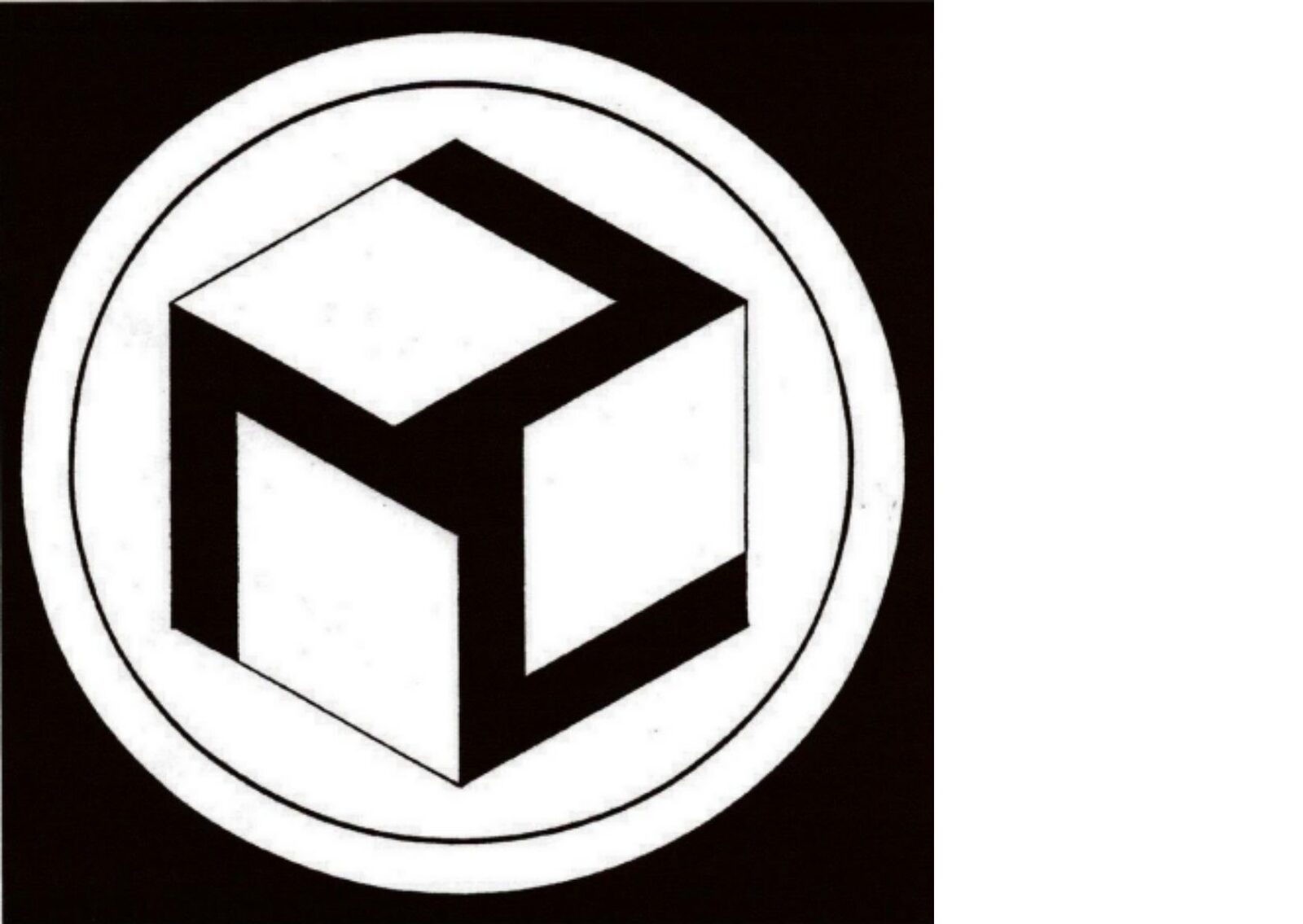
The Antahkarana is a geometric symbol used in contemporary esoteric and Reiki practice. It is a hexagonal shape with three sevens positioned inside a circle. Like other geometric forms used in religious symbolism through history, it is thought to carry meaning beyond its shape. Here's a closer look at the Antahkarana symbol, the older philosophical term behind its name, and the stories that surround it.
What Is the Antahkarana Symbol?
In Hindu philosophy, the Sanskrit term antahkarana names the "inner instrument"—mind, memory, self-perception, intellect, and reasoning. That philosophical meaning is older and broader than the modern geometric symbol, and the two are often conflated. The word also has everyday meanings in modern Indian languages such as Marathi, where it can refer to one's innermost thoughts, feelings, and spiritual self. It is worth keeping the philosophical term and the contemporary symbol distinct.
In contemporary esoteric lore, the symbol is sometimes said to have been given by "Ascended Masters" at the start of the lost civilization of Lemuria over a century ago. That account belongs to modern esoteric tradition and has no historical or archaeological support; it is part of the symbol's story, not documented history.
Some writers connect the symbol's cube-like shape, enclosed in a circle, to Chinese symbolism, where the square represents the earth and the circle the heavens; in Feng Shui the square is associated with Yin and the circle with Yang. This is one interpretive reading among several rather than an established origin.
Meditation, Yantra Yoga, And Modern Lore
Two different things are often confused here. In Tibetan Buddhist tantra, yantra yoga (trul khor) is a system of physical postures, movement, and breath control, not a meditation on a geometric design. Separately, "yantra" is used for a geometric diagram used as a focus in meditation. The story that links the Antahkarana symbol to Tibetan meditation rooms—clay water bowls, a silver stool inlaid with the symbol, a copper mirror, Reiki symbols on the wall—comes from contemporary esoteric writing, not from documented Tibetan Buddhist practice; there is no evidence that Tibetan lamas used Reiki symbols in this way. Treat it as modern lore. The University of Virginia catalogue describes Tibetan Yantra Yoga as movement and breathing practice; that distinction does not establish an ancient Tibetan origin for the geometric Reiki symbol. The idea that the symbol brings purification or renewal is a belief within that tradition, not a demonstrated effect, and the human aura and chakras it is said to affect belong to an energetic model rather than measurable anatomy.
Types Of The Antahkarana Symbols
When depicted as a two-dimensional hexagon or a three-dimensional cube, the symbol is sometimes divided into "male" and "female" forms, or shown as a square or cross to represent an amplification of its energetic qualities. These are conventions within the practice, not inherent properties of the shape.
The Male Symbol
The shorter, thicker style is also known as the yang Antahkarana. Some practitioners associate it with a sense of renewal and vitality; these are interpretive associations rather than measured effects.
The Female Symbol
The longer, thinner style is known as the yin Antahkarana. In this tradition it is associated with gentleness and calm, and it is used as a quiet meditative focus.
The Square Antahkarana Symbol
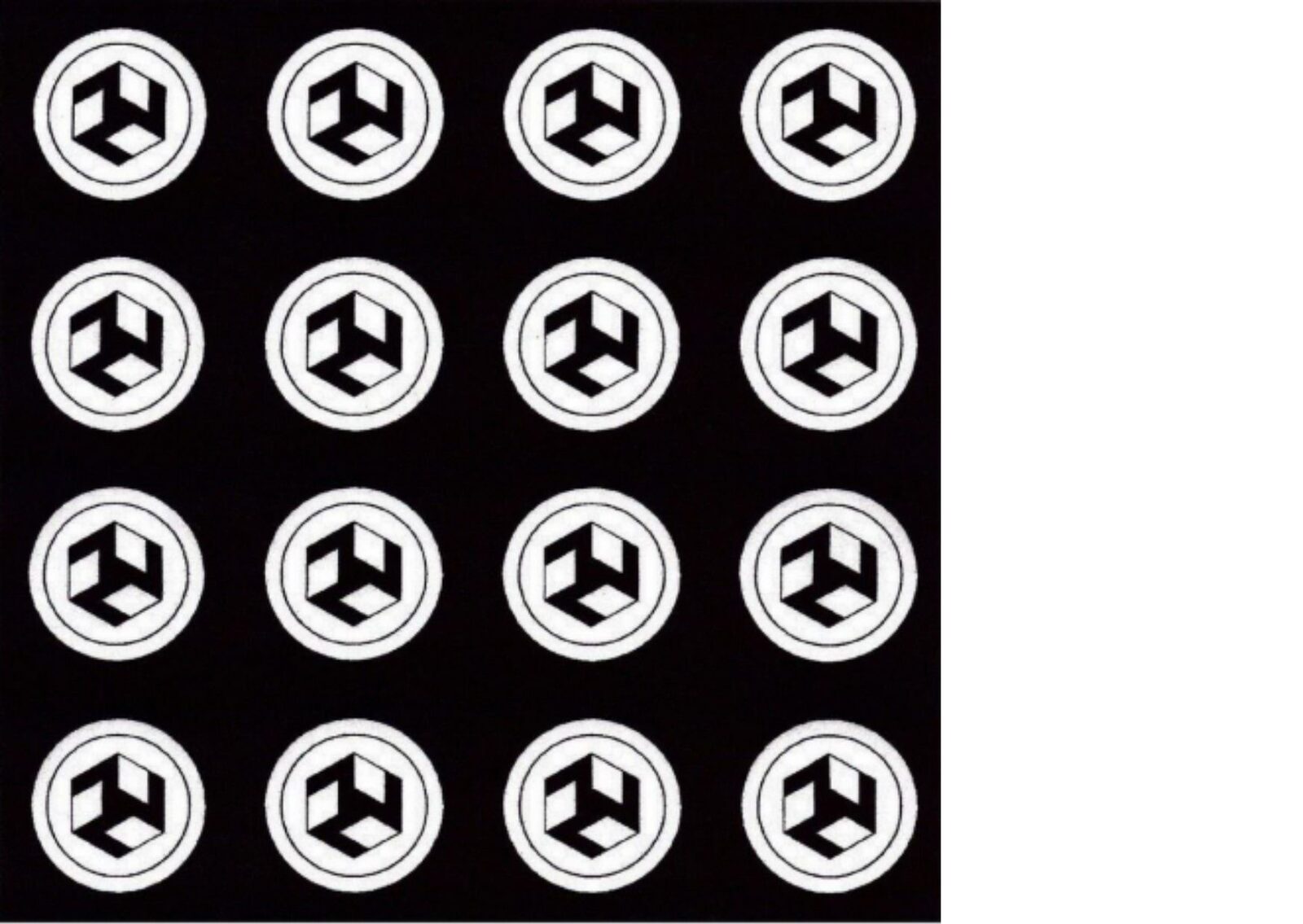
The Antahkarana square, made up of 16 small Antahkarana symbols, is traditionally said to ward off negativity and support healing. In practice it serves as a meditative focus rather than a device with demonstrated effects.
The Cosmic Cross
This variation consists of 13 small symbols, with seven Antahkarana crossing each other. It is frequently used in some traditions as a focus for opening the heart to positive energy.
Symbol Of Healing
Some traditions treat the Antahkarana as a symbol with its own inner meaning, and some practitioners describe it as supporting the chakras and amplifying subtle energy. Others use the symbol in hypnotherapy, chiropractic, Jin Shin Jyutsu, Qigong breathing exercises, and similar wellness settings as a focus within their own energetic model. These are traditional and personal frameworks: the symbol is not known to restore physical health or balance, and it is not a medical tool.
Reiki is a complementary relaxation practice, not therapy or treatment for trauma or abuse; trauma and abuse are matters for qualified professional care.
A Path Of Spiritual Enlightenment
According to The Theosophical Glossary, the definition of antahkarana varies with sect and philosophy, with some traditions describing it as a bridge between the spiritual and ordinary minds—called the Upper and Lower Manas in that Theosophical account. It is also considered a spiritual focus for meditation and prayer. The symbol incorporates the number seven three times, which is given symbolic meaning—the seven chakras, the seven spheres of the spiritual realms, and so forth.
Protection From Dark Entities And Negativity
Many practitioners value the symbol as a focus for calm and describe it as dispelling negative energies and fostering harmony. Within this tradition those are symbolic and experiential claims; the symbol's effects on people or events are not scientifically established.
Conclusion
The Antahkarana symbol is still used today as a focus for meditation and spiritual reflection. It is frequently placed on walls, furniture, massage tables, chairs, mattresses, and beneath pillows because it is believed to neutralise negative energies and support healing.
Some people incorporate the symbol into jewellery to keep it close. It is frequently used to create necklace pendants, bracelets, and rings. Certain pieces are crafted from gold, silver, stainless steel, hand-carved wood, glass, or resin and are often embellished with gemstones.
The Antahkarana as a healing symbol draws on Buddhist and Hindu chakra philosophies. It remains valued in meditation and alternative practice as a focus for serenity and balance, while its healing effects are a matter of belief rather than established evidence.
Related topic: Reiki symbols, Symbols to support habit change, Psychic awareness with symbols, The 3 symbols and their structures, Symbols for mental and emotional health.