
This page describes a set of symbols used in some Karuna Reiki teachings. Symbol names, meanings, and instructions vary across Reiki lineages; follow the training you received rather than treating one set of instructions as universal. These are spiritual practices, not medical tools.
Some Karuna Reiki courses teach students to focus on a symbol before practice or attunement. One preparation practice is silently repeating a symbol’s name three times and bringing the hands together or patting the palms; use that only if it is part of your course. There is no need to clap or strike the hands if that is uncomfortable.
Karuna Master Symbols
Tibetan Master Symbol Dai Ko Mio
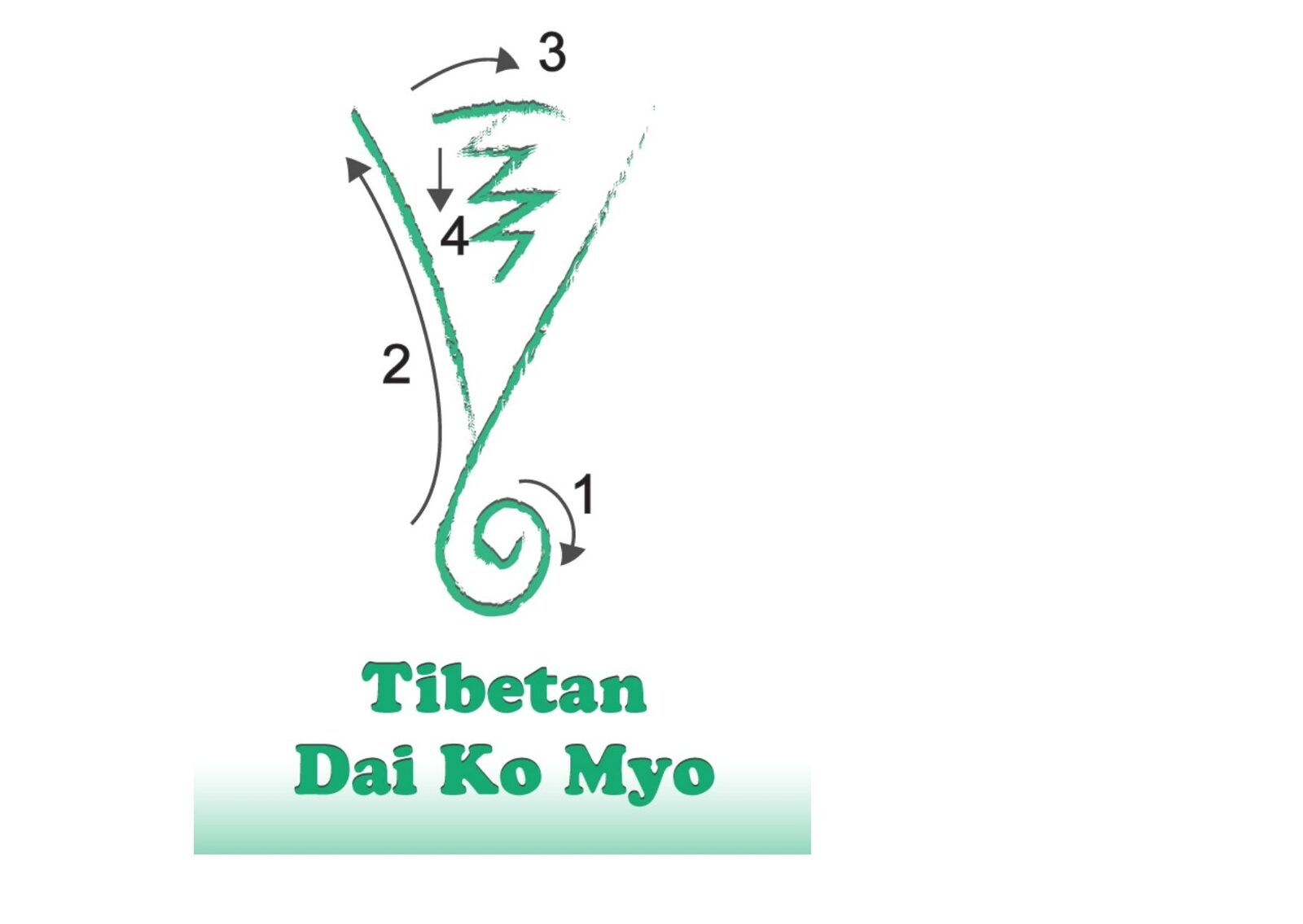
In the system described here, this symbol may be used during an attunement or meditation. Some teachers connect it with spiritual focus or a sense of purpose. Those meanings belong to that teaching tradition.
Tibetan Fire Serpent
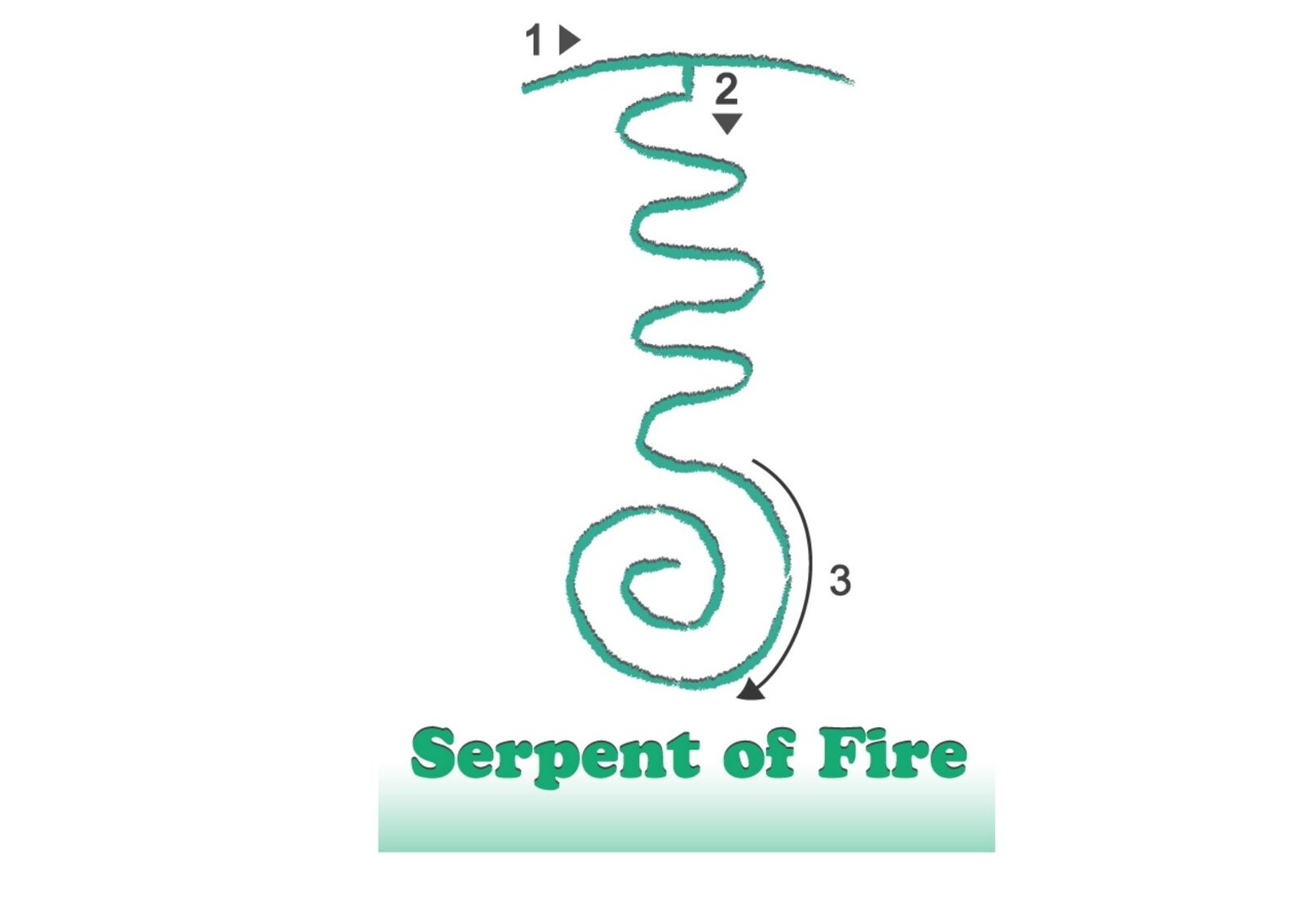
Some Karuna Reiki courses include the Fire Serpent in attunement instruction and describe it as linking chakras or energy centers. Chakra language is part of a spiritual model; it is not a description of anatomy.
Om
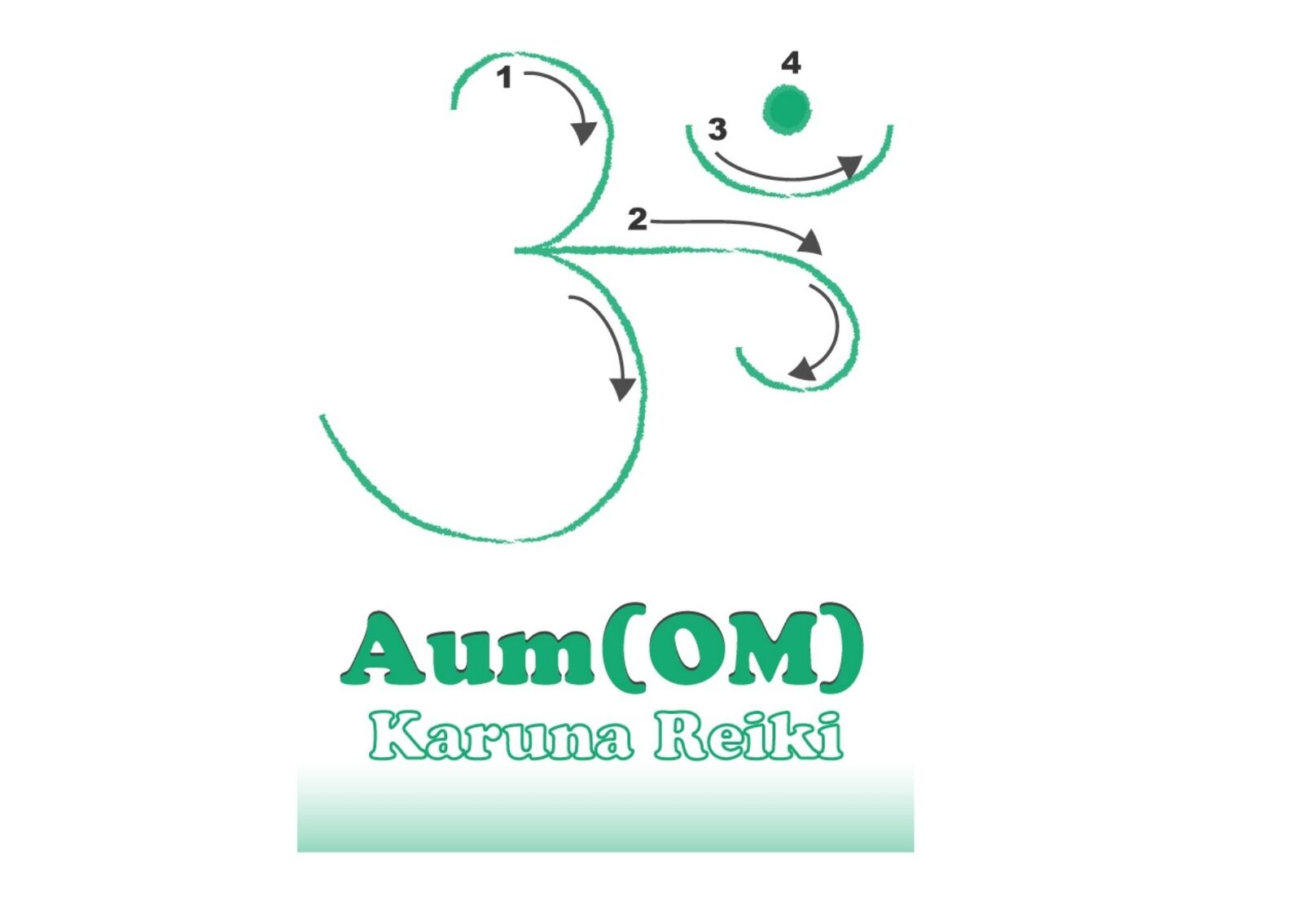
This Karuna Reiki approach includes Om as a meditation focus. Its meaning depends on the religious or spiritual tradition in which it is used; the Metropolitan Museum describes the Sanskrit syllable in a Buddhist art context in its Korean art educator guide. Use it respectfully and follow the guidance of the tradition in which you learned it.
Usui Dai Ko Myo
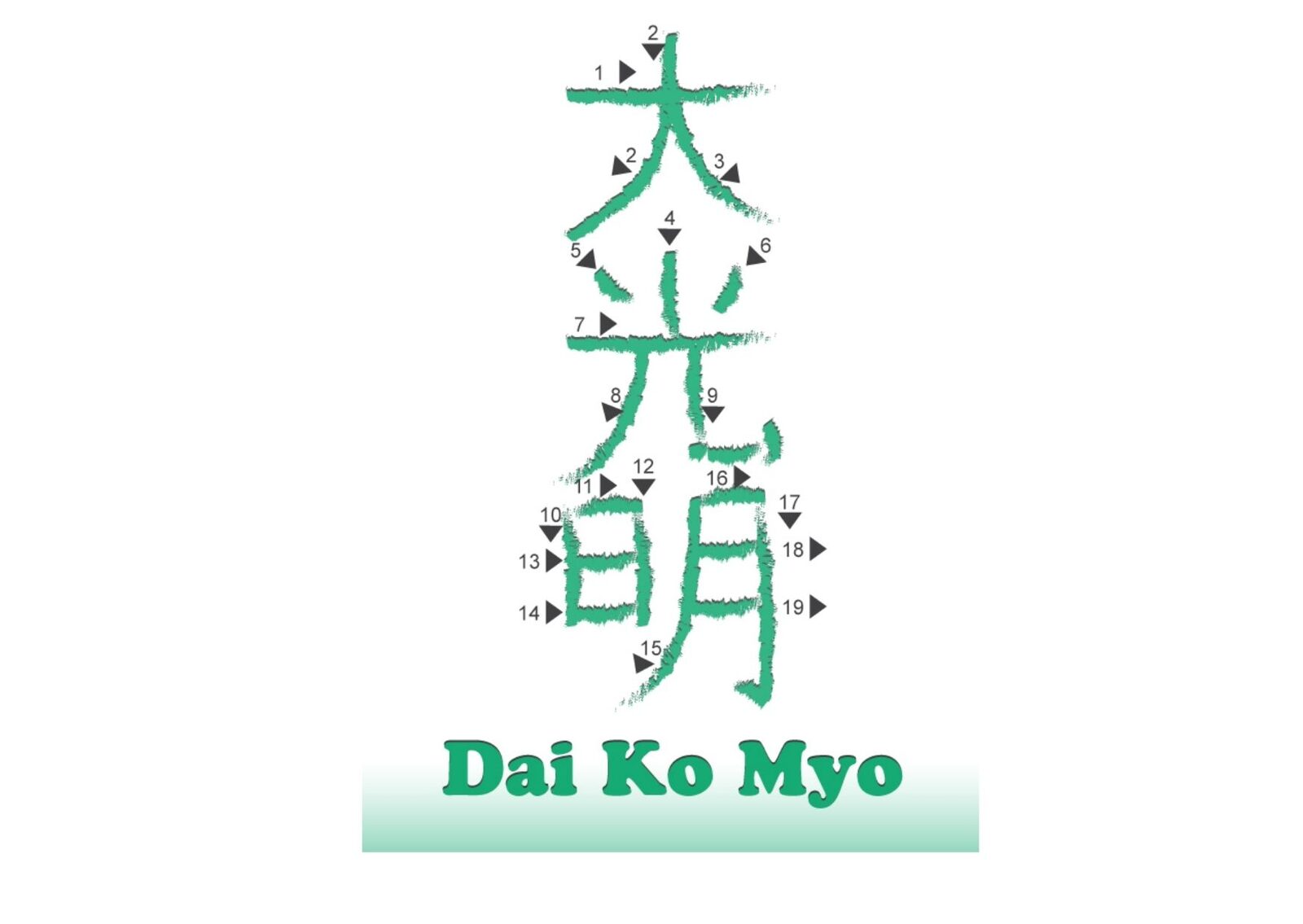
Some teachings include Usui Dai Ko Myo in a Karuna Reiki attunement or practice. In these teachings, it is described as more commonly used in Usui Reiki; usage depends on the course and lineage. Ask your teacher to explain the intended use rather than relying on intuition to determine treatment for another person.
These examples are a reference to one set of teachings, not a complete or universally agreed guide. A symbol or mantra does not diagnose a condition or guarantee a result.
How the four symbols relate
In the system described here, the symbols are not four versions of the same thing. Each has a different role in the ritual:
- Tibetan Master Symbol Dai Ko Mio is used as a focus for the master-level work and is often placed at the crown or in the practitioner's own preparation.
- Tibetan Fire Serpent is associated with linking the body's energy centres, a symbolic image rather than an anatomical claim.
- Om provides a shared sacred sound and is used to open or close a sequence.
- Usui Dai Ko Myo belongs primarily to Usui Reiki and appears in some Karuna sequences as a familiar anchor.
A teacher may use only some of these, or use them in a different order. The relationships described here are the tradition's map, not a universal hierarchy.
A short preparation sequence
If you are preparing for a practice session and your teacher has given you permission, try a simple sequence:
- Sit comfortably and let your breathing settle.
- Silently name the Tibetan Master Symbol three times, or trace it in the air in front of you.
- Bring your palms together lightly, or rest them in your lap if that is more comfortable.
- Name Om once, aloud or silently, and let the sound fade.
- Sit for a minute without adding anything else.
This is a way of marking the beginning of practice, not a guarantee that a particular state will follow. If you feel nothing, the sequence has still served as a pause.
Choosing a teacher for symbol study
Because the meanings and drawings vary, the teacher matters more than the web page. Ask whether they teach the symbols in person, how much time is given to practice, and whether they expect students to keep the forms private. A teacher who can explain why a symbol is used, and what it does not claim, is more useful than one who presents it as a secret power.
The Karuna Ki symbol reference covers a related set of names, and the Karuna Reiki attunement guide shows how symbols are sequenced in one lineage.
Related topic: Karuna Ki, Chanting and toning, Karuna Ki scanning, Four Karuna Ki Do meditations, Level one attunement.