


What is it?
Animal Reiki is a form of meditation that practitioners offer in the presence of animals, within a spiritual tradition. It has not been established as a treatment for animal health or behavior. Keep veterinary evaluation and care decisions with a veterinarian. The American Veterinary Medical Association's complementary-care guidance says all veterinary approaches should meet the same standards, and safety and effectiveness claims should be supported by scientific evidence.
An animal's presence, stillness, or movement cannot show that Reiki is helping or that a bond is improving. Let the animal choose whether to stay; never pursue, corner, restrain, or touch an animal to continue a session.
Emotional issues
Animals can show changes in behavior for many reasons. Do not diagnose an emotional problem or infer what an animal feels from a Reiki session. Discuss behavior changes with a veterinarian.

How to do Animal Reiki Level 1?
Begin only with an animal already comfortable in your presence and in a familiar, quiet setting. Do not approach unfamiliar, fearful, or wild animals. Keep a clear exit route for the animal and yourself. Avoid staring, sudden movements, and loud sounds; there is no need to crouch or lie close to an animal if that is unsafe or uncomfortable.
Move calmly and keep the session short. Breathe normally; this is a meditation cue for you, not a way to alter the animal's state.
Animals cannot give informed consent in words. Treat their ability to approach, leave, and avoid contact as essential choice cues, while recognizing that stillness does not prove consent. Do not begin a session if the animal is restrained or cannot leave.
Do not touch as part of Reiki unless the animal already welcomes ordinary contact and the responsible caregiver agrees. Stop at once if the animal turns away, moves off, stiffens, hides, growls, hisses, pants unusually, or otherwise seems uncomfortable. Do not try again unless the animal later approaches freely.
Let the animal move away. Leaving can mean the animal wants distance; do not interpret it as receiving energy, enjoyment, or a reason to continue. You do not need to read eyes, breathing, or movement as a Reiki response.
If the animal seems unsettled, stop the session and give it space. Do not try to adjust an imagined energy dose or continue later unless the animal approaches freely.
This is an introductory practice guide. Reading it does not demonstrate veterinary competence or qualify you to treat an animal. For practical differences between pets, small animals and wildlife, continue with using Reiki on animals.
Animal Reiki alongside veterinary care
Some caregivers choose a quiet meditation near a pet alongside veterinary care. Do not describe it as treating an illness, injury, or behavior concern. The AVMA's guidance on complementary and alternative veterinary medicine says veterinarians should evaluate evidence and ensure complementary care does not delay appropriate treatment. Leave wildlife alone; if an animal appears injured, contact a licensed wildlife rehabilitator or local wildlife authority. U.S. Fish and Wildlife Service guidance.

What is the best way to look after your pet?
There is no set session length. If the animal remains relaxed and free to leave, you may sit quietly nearby for a brief time. Keep hands to yourself, especially near painful areas; never use Reiki to assess or treat an injury. Stop if the animal moves away or seems uncomfortable.
If an animal does not welcome your presence, give it space. A practitioner may choose to meditate elsewhere, but should not promise a calming effect or follow it with touch.
Do not cup, hold, surround, or handle small animals for a session. Keep a quiet distance that does not obstruct access to food, water, shelter, or an exit. Avoid tapping, touching, or placing hands around tanks and cages.
Changes in behavior, eating, drinking, movement, or other usual patterns are reasons to contact a veterinarian, not to try Reiki first. For urgent or severe signs, seek veterinary care promptly. Follow the veterinarian's handling instructions and ask whether you may remain present.
A short session with a familiar animal
For a pet who already knows you, keep the first session brief and undemanding:
- Ask the caregiver what the animal is like with visitors, and whether there is anywhere it does not like to be approached.
- Sit at a comfortable distance, angled slightly away, with your hands in your lap. Let the animal come to you.
- If it settles nearby, stay still for a few minutes. Do not reach out, stare, or move closer.
- Watch for the animal to relax or to lose interest. Either is information; neither is a verdict on the practice.
- End before the animal becomes restless, and tell the caregiver what you did.
You do not need a couch, a symbol, music or a particular hand position. The practice can be a few minutes of quiet, respectful presence.
What to watch
An animal's body language is worth learning, but it is not a consent certificate. A dog may approach and then freeze; a cat may sit nearby but flatten its ears; stillness alone does not tell you whether a horse is comfortable. Give the animal space when you see:
- turning away, leaving, hiding or trying to get behind something;
- a stiff body, a hard stare, pinned ears, a tucked tail or raised hackles;
- growling, hissing, snapping, kicking or defensive movement;
- trembling, panting, pacing or drooling that seems out of context.
Do not describe these as “releasing energy” or as a reason to continue. Stop, move away, and let the animal decide whether to return. For dog-specific examples, the RSPCA guide to body language explains how posture and behaviour can indicate unease; those examples should not be applied to every species.
Working with a veterinarian
If the animal is under veterinary care, tell the vet or nurse that you sit quietly with it, if relevant, and follow their advice about handling and contact. Do not ask them to endorse Reiki, and do not suggest that a session can replace diagnosis, medication, surgery or follow-up.
Practical support can be more useful than a ritual: helping with transport, keeping the animal's routine, or sitting with it after an appointment if the caregiver agrees. Do not perform Reiki in an examination room without the clinic's permission.
Questions people ask
Can Animal Reiki treat a behaviour problem? No. Behaviour has many causes and needs appropriate assessment. A quiet session is not a behaviour modification plan.
Should I touch the animal? Only if it already welcomes ordinary contact, the caregiver agrees, and the animal stays relaxed. Hands-off practice is complete.
Can I send distant Reiki to an animal? Only with the caregiver's agreement, and it does not remove the need for veterinary care. The animal cannot consent in words.
What if the animal is dying? Follow veterinary advice and the caregiver's wishes. Quiet presence can be a kindness; it is not a cure, and no outcome should be promised.
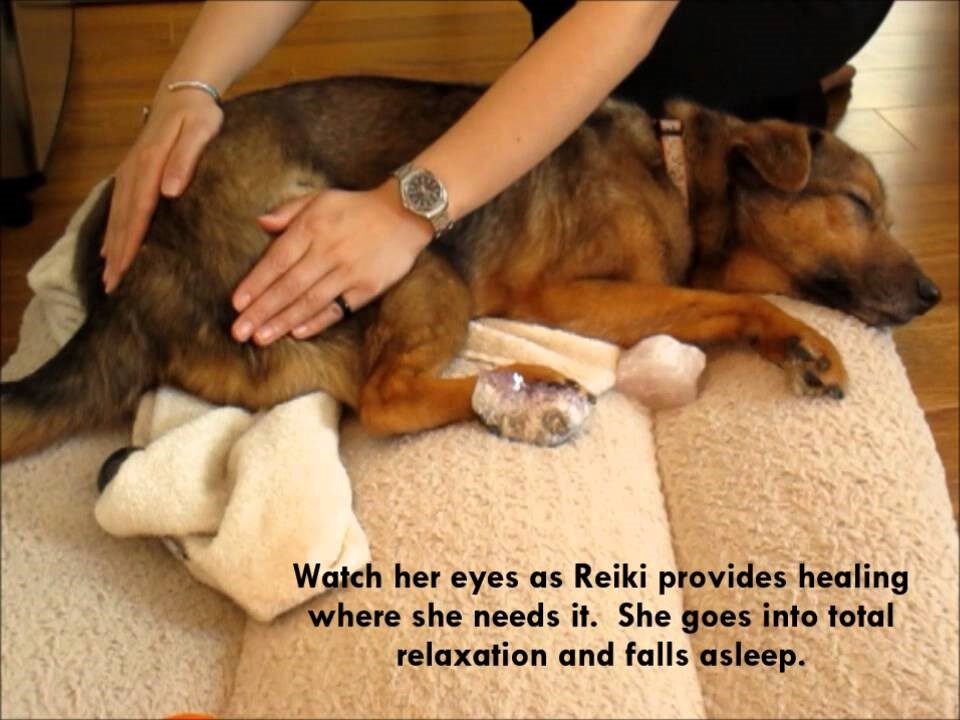
The school lists an optional Animal Reiki Level 1 certificate below. A certificate purchase does not confer veterinary qualifications. Ask support@freereikicourse.com about the study it records and any requirements before choosing it.
Buy your Animal Reiki Level 1 certificate(9.99 USD; previously 100 USD)

Kathleen Prasad’s Animal Reiki Practitioner Guidelines and Code of Ethics (Reiki News Magazine, Fall 2007, p. 27) also emphasizes observing an animal’s response and postponing a session it does not welcome. This is practitioner guidance about approach, not clinical evidence.
Related topic: Animal Reiki, Using Reiki on animals, Reiki for Dogs, Reiki for Cats, Reiki for Horses.