


Many people find they can learn and practise Reiki as a form of self-care. Children, older adults and people with physical disabilities can take part with appropriate support, and no special intuitive or healthcare background is needed. This school's First Degree course is taught in about ten hours of small-group instruction; the length and format vary between teachers, so treat that as one example rather than a universal rule. If you have a health condition, talk to your treating clinician about how any practice fits with your care.
Why Do Self-Reiki?
Receiving Reiki from a friend or a practitioner can be a lovely experience, and there are good reasons to learn to practise on yourself as well. It is not only people with health concerns who value the ease of self-care; anyone looking for a steadier, more balanced routine can enjoy a quiet daily habit.
One reason is simply that a regular self-practice offers a quiet way to pause and check in with yourself.
Many practitioners describe regular practice as a gentle way to release tension and settle. It can also be a reminder that you are not passive in your own life — though it is not a cure, and it does not replace care from a qualified professional.
People in good health and people living with ongoing conditions can both enjoy learning self-Reiki. In the tradition it is described as restoring balance, deepening vitality and bringing harmony to daily life; those are the tradition's words, not medical outcomes. Practise as often as suits you — daily is one option, not a requirement.
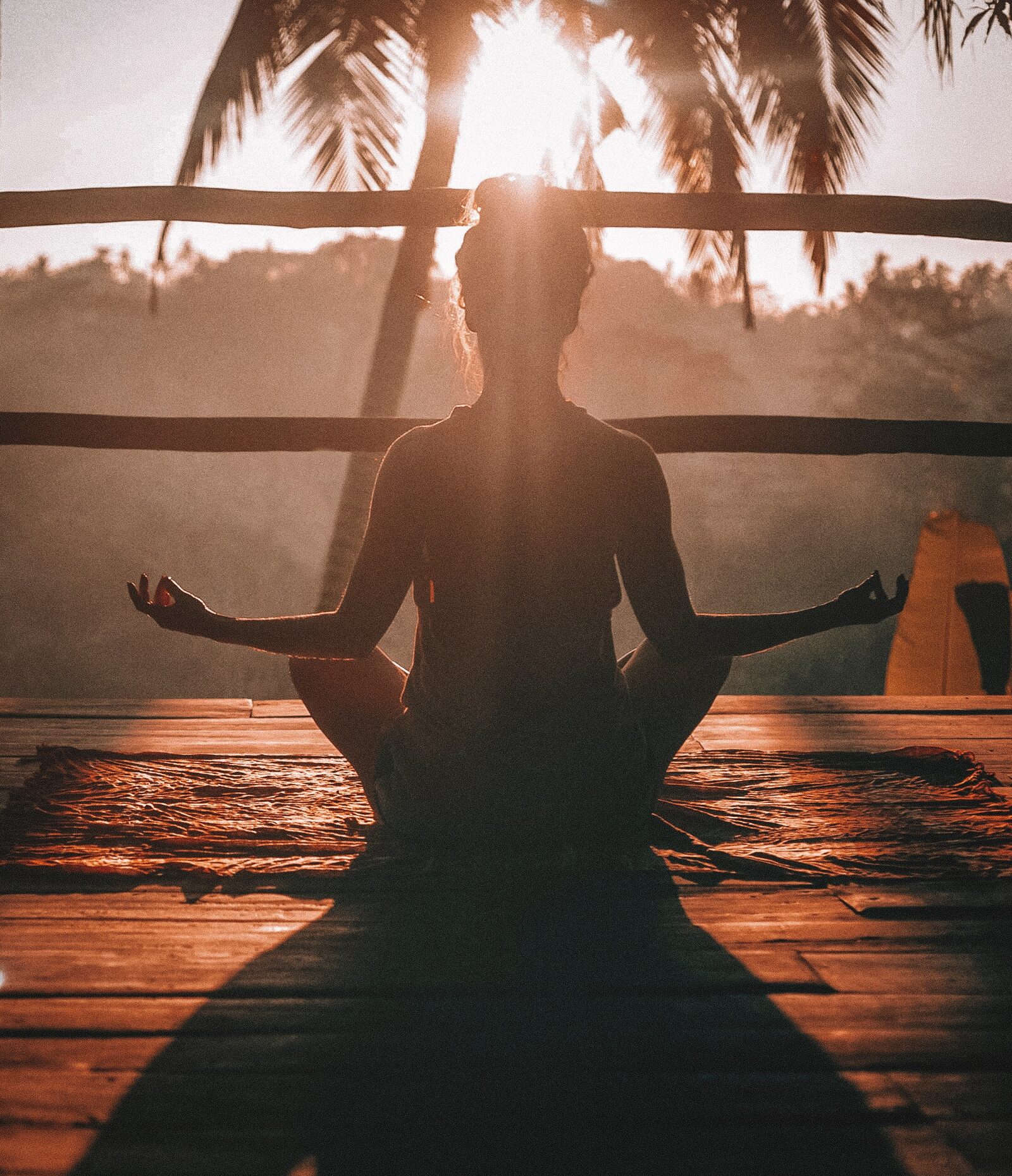
A Step-By-Step Guide On How You Can Do Self-Reiki
Here is one way to begin self-Reiki at home. Treat these as suggestions rather than rules, and adapt them to your body and routine.
Maintain A Stable, Long-Term Posture
To begin your daily self-practice, adopt a comfortable position that promotes rest and relaxation for both your physical and mental selves. Lie down on a meditation pad or sit cross-legged. Make sure your hips are above your knees if you're sat cross-legged for comfort. While laying down, use bolsters to prop up your knees and neck in order to avoid injury. Alternatively, you may sit on a chair with your feet flat on the floor. Try several positions until you discover one that's both stimulating and relaxing.
Start Receiving Energy
Begin by settling your attention. Close your eyes and breathe slowly and comfortably. You might picture your head opening and a stream of light pouring from the top of the head down to your heart, then out through your arms and hands. Bring to mind any areas where you feel vulnerable or tired, and hold them gently. If you wish, imagine sharing that sense of fullness with someone you care about.
Keep breathing comfortably and return to your breath whenever your mind wanders. There is nothing you need to achieve here. Set a simple intention for the practice, such as rest or steadiness, rather than a particular outcome.
Use The Reiki Precepts
In 1922, Mikao Usui taught his pupils the five reiki precepts or principles as a framework for tackling everyday life.
Many practitioners recite the precepts, in Japanese and in translation, as a daily reflection. They are offered as a guide for how to live, not as commandments or a guarantee of growth:
- Kyo dake wa
- Ikaru na
- Shinpai suna
- Kansha shite
- Gyo o hageme
- Hito ni shinsetsu ni
Heal Yourself By Putting Your Hands On It
In most Reiki lineages, practising Reiki means receiving a teacher's attunement. Some teachers also say that people already use a natural life-force energy in everyday life without naming it — for example, when a parent instinctively reaches to comfort a child who has fallen. That is a way of describing ordinary human care, not a measured mechanism, and it does not replace the attunement that the tradition itself teaches.
If you want to learn to sense and channel Reiki in the traditional way, take a course with a teacher whose lineage and training you can check.
Summary
Self-Reiki can be a useful habit for anyone who wants a regular quiet practice at home. People use it for relaxation, for a sense of steadiness, and as part of their self-care. It is not a treatment for poor sleep, stress or any medical condition, and persistent difficulties deserve professional advice.
Whether you want to practise on yourself or eventually with others, skill develops through steady practice over time. Higher levels of training offer more tools, but they are not a measure of anyone's worth.
Some families enjoy practising Reiki together as part of a shared routine. Doing so can support connection and calm; it is a family activity, not a health treatment.
A ten-minute self-practice
If the full sequence feels like a lot, begin with a shorter shape. Sit in a supported chair with your feet flat on the floor, or lie down with a cushion under your knees.
- Rest your hands on your chest and take three easy breaths.
- Move your hands to your abdomen and stay for two or three minutes.
- Rest your hands on your thighs, palms down, and let your shoulders soften.
- Return to your breath and notice what, if anything, has changed.
- Finish by naming one practical thing you will do for yourself today.
This is a complete practice. You do not need to add symbols, music or a particular posture, and you do not need to feel anything in your hands.
Common difficulties
“I can't stop thinking.” You do not need a blank mind. Notice the thought, return to the feeling of your hands or your breath, and repeat. A wandering mind is normal.
“My hands feel numb or tingly.” That can happen when you hold a position for a while or rest your arms awkwardly. Change position, shake your hands gently, and continue only if comfortable. Persistent numbness or tingling should be checked by a clinician.
“I don't know where to put my hands.” Choose a comfortable area — chest, abdomen, thigh — and stay there. There is no required map.
“I feel nothing.” Many practitioners report little or no sensation, especially at first. The practice does not depend on a sensation.
“I missed a week.” Begin again without making up for lost time. A shorter session is better than an all-or-nothing rule.
Questions people ask
Do I need an attunement to practise on myself? In this tradition, yes: the First Degree course includes an attunement and teaches the practice. The free course explains the current format, and the attunement is offered on request.
Can self-Reiki replace medical care? No. It is a complementary spiritual practice. Continue any care your clinician has advised and discuss new or worsening symptoms with them.
Can I practise on a child or family member? With their agreement, and for a child, with the responsible caregiver involved. Keep it brief, offer a no-touch version, and stop if they are not willing.
Is it selfish to spend time on this? No. A short, regular pause is a reasonable part of caring for yourself, and it does not require you to neglect anyone else.
Related topic: Treatment and hand positions, 10-day treatment with acupressure, Advanced techniques, Alternative techniques in treatment, Alternative ways to use the hands.