


Some people choose Reiki alongside other practices or conventional care. Reiki is a complementary spiritual practice, not a medical treatment. Evidence has not clearly shown it effective for health-related purposes, and its proposed energy field is not supported by scientific evidence (NCCIH). A person may choose it for personal or relaxation reasons, but it should not replace or delay qualified care.
What does combining approaches mean?
People may encounter Reiki alongside massage, aromatherapy, reflexology, shiatsu, acupressure, meditation, or other practices. These approaches have different methods, evidence, risks, and practitioner requirements. Receiving more than one approach does not automatically make a session more effective or appropriate.
If a session includes touch or another modality, explain each part beforehand and ask for specific permission. Consent to Reiki is not consent to massage, essential oils, guided imagery, or another practice. The person can decline any part or stop at any time. Only provide modalities for which you are trained and qualified; refer questions outside your scope to an appropriately qualified practitioner.
Do not administer, handle, or attempt to change medicines, supplements, homeopathic products, food, or water as part of Reiki. Do not recommend starting, stopping, or changing a treatment. Encourage the person to tell their health care providers about complementary approaches so care can be coordinated.
Reiki alongside medical care
A Reiki practitioner should not diagnose or promise a cure. If someone has symptoms that are concerning, worsening, or not improving, encourage them to seek advice from a qualified health professional. In an emergency, emergency care comes first. Do not tell a person to delay a test, procedure, therapy, or prescribed medicine for Reiki.
If you work in a clinic, hospice, or another care setting, follow that organization's rules, infection-control procedures, supervision requirements, and scope-of-practice boundaries. Requirements vary by role and location; check current rules with your employer, professional body, or regulator.
Questions to ask before combining approaches
The word “therapy” covers very different things. Massage manipulates soft tissue. Aromatherapy uses scented oils. Reflexology applies pressure to specific areas of the feet or hands. Shiatsu and acupressure use pressure along traditional pathways. Meditation and guided imagery work with attention and imagination. Reiki, in most lineages, involves still hands, hovering hands, or no touch, with no manipulation of tissue.
Before a combined session, ask:
- What exactly will happen? Which parts involve touch, pressure, oil, heat, needles, or ingestion?
- Who is qualified for each part? A Reiki certificate does not qualify someone to massage, prescribe herbs, or diagnose.
- What are the risks and after-effects? Different methods have different precautions. Ask what each involves, and check suitability with the relevant clinician if you are pregnant, recovering from surgery, or unsure how a health condition affects your options.
- Can I decline one part and keep another? You should be able to say yes to Reiki and no to aromatherapy, or the reverse.
- Who do I tell? If you are receiving medical care, tell the relevant clinician what complementary work you are having, especially if it involves supplements, oils, or pressure on the body.
A practitioner should not present a combined session as more potent simply because it includes more modalities. More input is not automatically better, and each additional element brings its own consent and safety questions.
A simple plan for one session
If you are the practitioner, a clear plan prevents a relaxing session from becoming confusing. Agree the sequence before you begin.
- Start with a short conversation. Ask what the person wants from the time, what they would like to avoid, and whether they have any relevant health care or treatment underway.
- Name each component. “I suggest ten minutes of Reiki with no touch, then a few minutes of quiet. I am not proposing massage or oils today.”
- Agree a stop signal. A raised hand, a word, or simply “say stop” is enough. Check that the person can use it.
- Do one thing at a time. If you are trained in two modalities, keep them distinct so the person knows what they are receiving and can decline the next part.
- Close with a review. Ask how the person feels, mention anything they should watch for, and remind them they can contact their clinician with concerns.
For a broader look at the session container, see Reiki treatment. If you are considering distance work alongside other care, the ethics of distant Reiki healing discusses consent and boundaries in more detail. Reiki can sit alongside gardening, cooking or crystal use; Reiki with plants, food and objects explains how to include them without making health claims. Reiki can sit alongside herbal practice, but the two have different training and safety rules; the herbal education comparison covers the study route.
Combining Reiki with conversation or mind-body practices
A person may also choose to talk, meditate, or use a quiet focusing exercise. Ask what they want, avoid interpreting symptoms as blocked emotions or energy, and do not push them to revisit painful experiences. If the person is under medical or mental-health care, keep their qualified care team involved when a complementary practice could affect their comfort or decisions.
A gentle focusing reflection
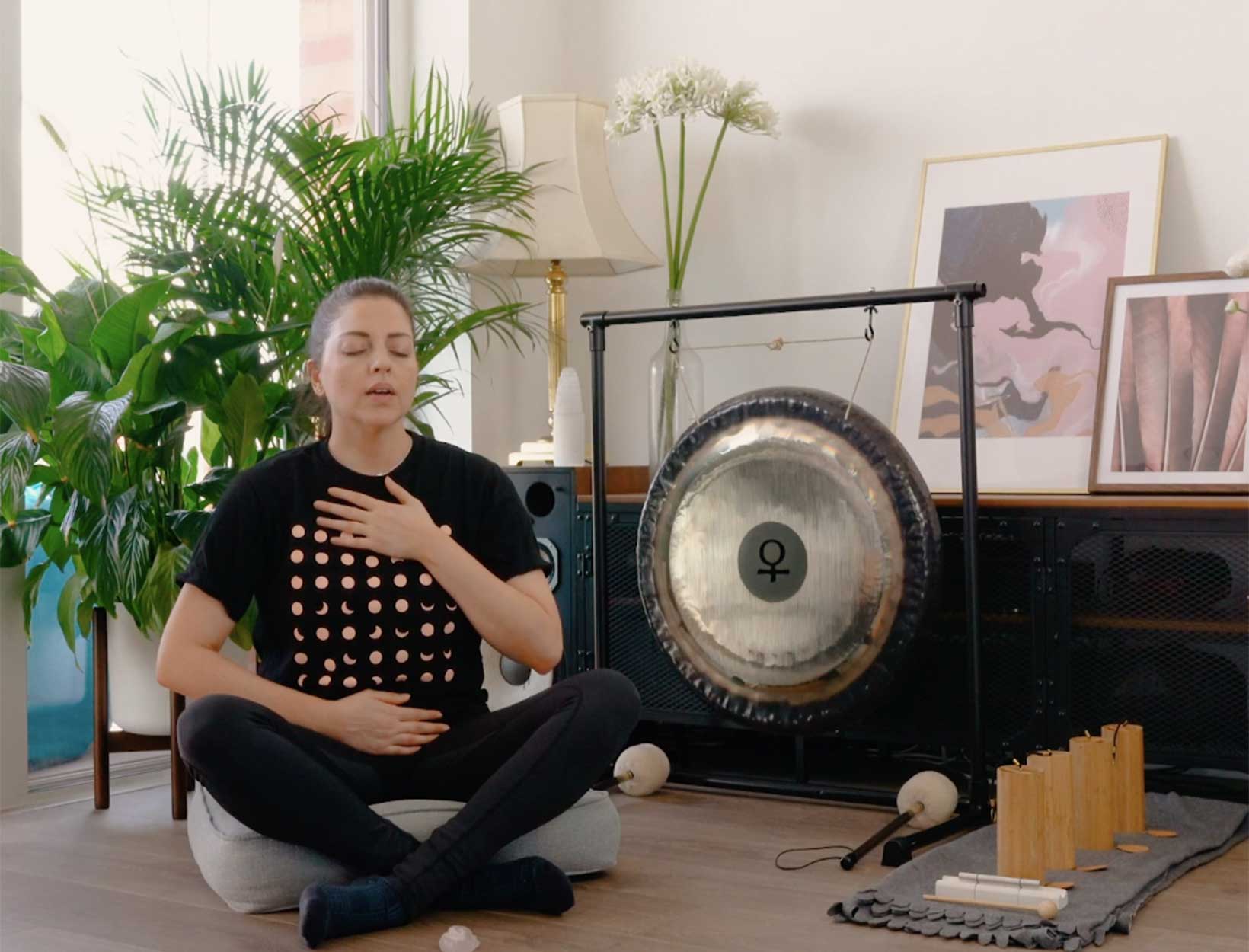
This is an optional reflection, not a diagnostic technique. Sit or lie in a comfortable position, keep your eyes open if you prefer, and notice a neutral detail in the room. If you choose, observe a sensation without assigning it a cause or asking your body to reveal a diagnosis. Stop if it becomes uncomfortable. For new or persistent pain, seek appropriate clinical advice rather than continuing an exercise to resolve it.
A timeline visualization
Some Reiki and NLP traditions use timeline imagery to reflect on hopes or personal goals. If you try a visualization, treat it as imagination—not a way to predict, alter, or guarantee the future or to treat illness. You can choose a simple question such as “What is one small step I can take this week?” and stop whenever you wish.
Related topic: Reiki healing guides, Heyoka empath, Levels of consciousness, Inspirational quotes, The benefits of Reiki healing.