


It can be interesting to learn that your chakras are said to be out of balance or blocked. In this framework, an imbalance is a spiritual image rather than a diagnosis, and it is not a substitute for medical or mental-health care. If you are concerned about your health, speak to a qualified professional. The exercises below are gentle, optional ways to bring attention to the body and breath; try them and see whether they help you feel more at ease.
7 Simple Daily Exercises For Your Chakras
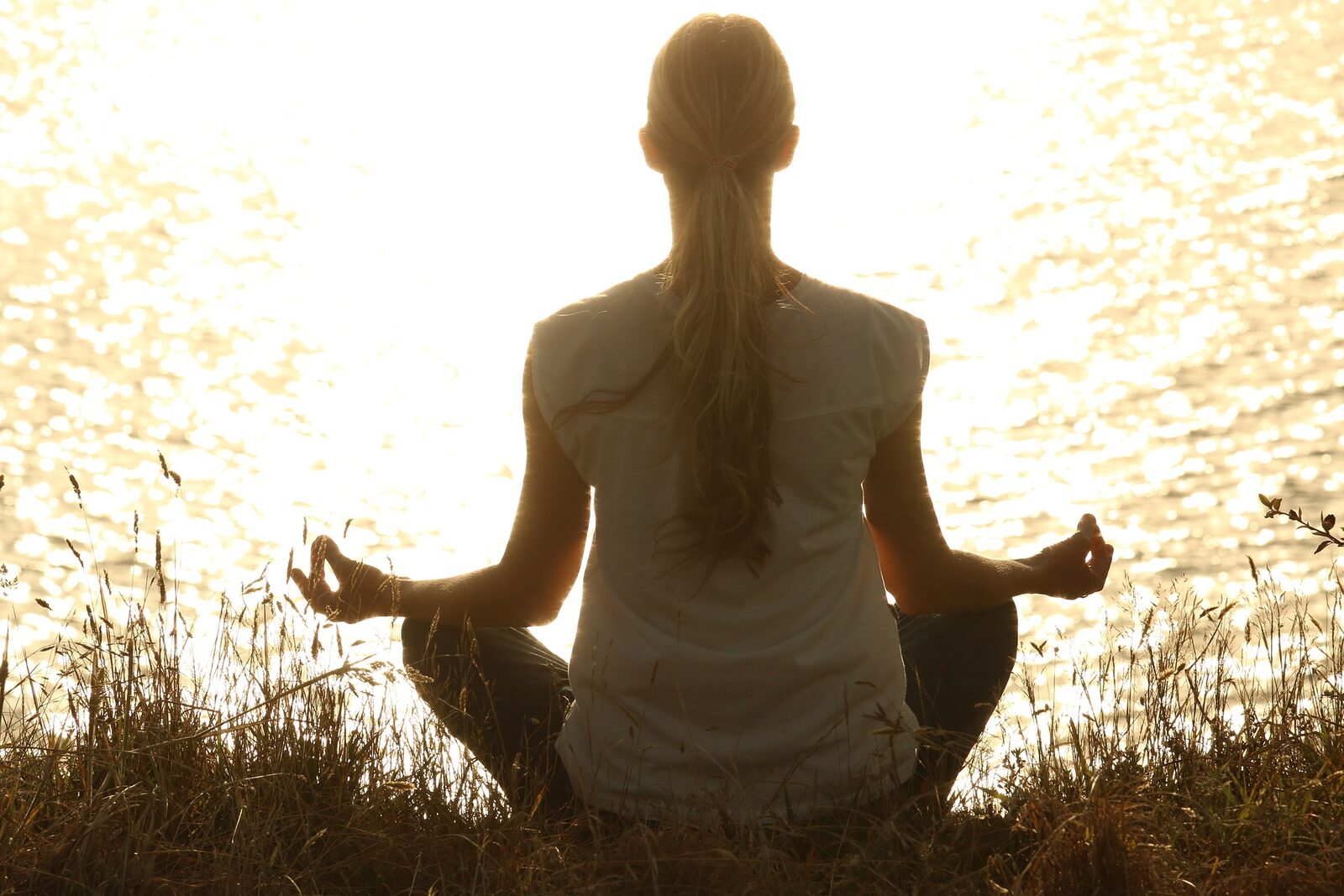
1. Meditation
Sit quietly with your spine straight in a calm space.
Breathe in slowly and let the breath out comfortably—there is no need to hold it. A few easy breaths can help you settle and bring your attention to the present.
If you wish, focus on the root chakra and repeat its mantra 5 to 10 times. You can work through the chakras in the same way, picturing each symbol and repeating its mantra as many times as feels comfortable.
2. Yogasana
Practising yoga asanas is a way to move the body and, in this framework, to support a sense of balance.
Surya Namaskar (sun salutation) is a flowing sequence that moves the whole body. Ten to twelve rounds is a common practice, but any comfortable number is fine, and you can rest whenever you need. Move at your own pace and skip any part that does not suit you.
3. Reiki
Reiki is a complementary practice often used alongside these exercises. In the tradition it is described as supporting balance and calm. It is not a substitute for medical care, and learning it is a personal journey rather than a requirement.
4. Physical Workout
Moving the body—through cardio, dance, or Zumba, for example—can support a general sense of wellbeing. In this framework, movement is said to support the whole system. Choose an intensity that suits you, and check with a qualified professional if you have health concerns.
5. Use Of Crystals
Crystals are used in the tradition as a focus for intention. Choose a stone you like, hold it with your intention, and use it as a reminder of the quality you want to bring to your day. It is a symbolic aid, not a treatment.
6. Energy Balls
Energy-ball practices—holding and shaping an imagined sphere of energy between the palms—are used as a way to notice sensation. They are optional and can be as simple as holding your palms a few inches apart and paying attention.
7. Nadishodhan Pranayam
Nadishodhan Pranayam (alternate-nostril breathing) is a traditional breathing practice. In this framework it is said to support the chakras and a sense of awakening. Breathe gently and without strain; if you feel dizzy or uncomfortable, return to normal breathing. It is a simple practice suitable for beginners.
Building A Ten-Minute Routine
Seven exercises can look like a daily obligation. They are not. A ten-minute routine that you actually do is more useful than an hour-long plan you abandon after a week. Here is one way to combine the ideas:
- Minutes 1–2: Sit and breathe comfortably. Let the breath settle without forcing it.
- Minutes 3–5: Move gently. Choose one yoga sequence, a few rounds of sun salutation, or simply stand and stretch.
- Minutes 6–8: Sit again and bring to mind one chakra colour or symbol. Repeat a mantra if that fits your practice.
- Minutes 9–10: Rest in ordinary awareness, then choose one small intention for the day.
You can swap the middle section for a short walk, a Reiki self-treatment, or a breathing practice. The structure matters more than the specific content: arrive, move or settle, focus, and close.
If ten minutes is too much, do four. If you have more time, extend one section rather than adding all seven exercises. The point is consistency, not completion.
A Weekly Rotation
Some people prefer to give each chakra a day rather than working through all seven at once. A simple rotation looks like this:
- Monday: Root — grounding, a walk, or a few minutes of quiet sitting.
- Tuesday: Sacral — something creative or pleasurable, however small.
- Wednesday: Solar plexus — one clear decision or a short burst of focused work.
- Thursday: Heart — a kind message, a moment of gratitude, or time with someone you care about.
- Friday: Throat — a conversation you have been putting off, or five minutes of singing or humming.
- Saturday: Third eye — a walk without your phone, or a few pages of journaling.
- Sunday: Crown — quiet reflection, time in nature, or simply rest.
This is a reflective structure, not a prescription. Skip days, repeat a favourite, or ignore the schedule entirely. The chakra names are prompts for attention, not appointments you have to keep.
Questions That Come Up
Do I need to do all seven exercises every day? No. The list is a menu, not a checklist. Choose one or two that fit your time and body.
Can these exercises replace medical care? No. They are gentle movement and reflection practices. If you have a health concern, speak with a qualified professional.
What if I miss a day? Nothing happens. Start again when you can. A practice that survives missed days is more sustainable than one that demands perfection.
Is alternate-nostril breathing safe for everyone? It is generally gentle, but skip it if you have a blocked nose, feel dizzy, or have been advised to avoid breath practices. Return to normal breathing at any point.
Do I have to use crystals or symbols? No. They are optional parts of the tradition. The breathing, movement, and quiet attention work without them.
Final Thought
In this symbolic map, the seven chakras are described along the spine and linked to states of consciousness, sound, and colour. They do not correspond to nerves or organs in a medical sense. Practitioners describe renewed vitality when they work with them, and many report emotional balance, deeper intuition, and mental calm. These are experiences people attribute to the practice, not medical outcomes.
Related topic: Chakras and aura, Herbs for chakra wellness, Chakra colors, The heart chakra, Detect someone else's aura.