


Chakras are part of spiritual traditions, not anatomical structures or a medical diagnosis. Some contemporary Reiki and wellness practices associate herbs with particular chakras as a symbolic or reflective exercise. There is no single universal herb-to-chakra system, and these associations do not show that a plant changes a chakra or treats a health condition.
The herbs named below are included as cultural or spiritual associations only—not recommendations to eat, drink, inhale, apply, or buy them. A plant can affect the body even when it is described as “natural.” Herbs and supplements can have side effects, interact with medicines, or be unsafe in pregnancy or for particular health conditions. Ask a qualified clinician or pharmacist about a specific product before using it. See NCCIH guidance on supplement safety and herb–medicine interactions. Herbs and plants can be symbolic companions in a Reiki practice; the plants, food and objects guide does not turn them into treatment. Traditional herbal associations are not a qualification; the herbal education options explain the difference between study and a Reiki course.
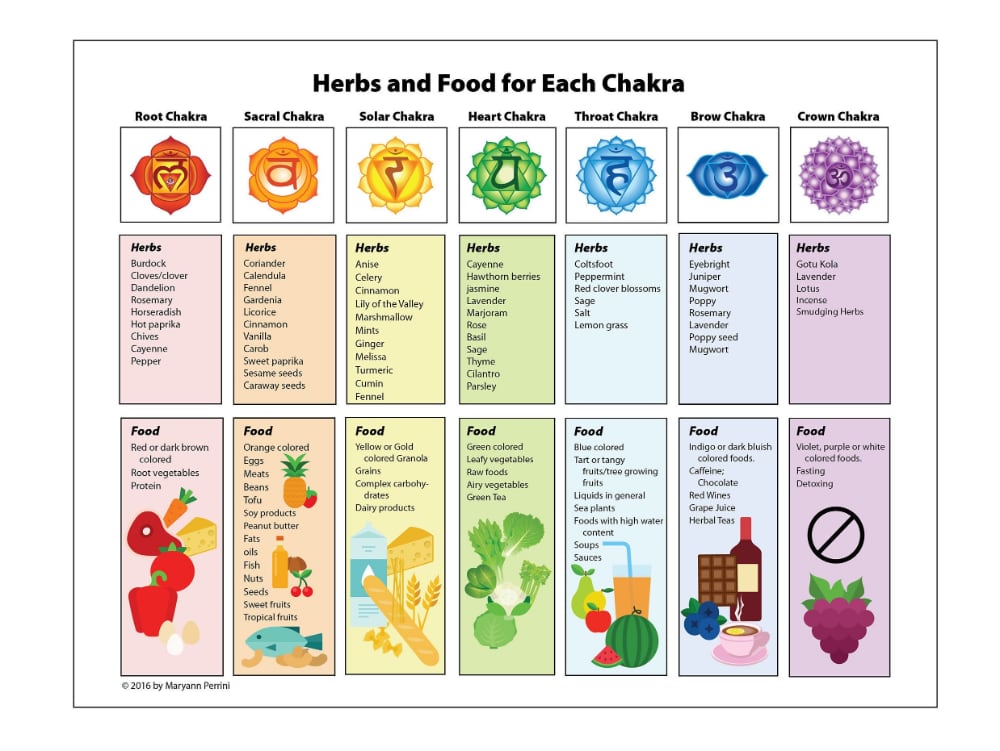
The associations discussed below, without recommending their use, are:
- Root: ashwagandha and dandelion root.
- Sacral: damiana and calendula.
- Solar plexus: lemongrass and marshmallow root.
- Heart: hawthorn.
- Throat: red clover and slippery elm.
- Third eye: passionflower, mint and eyebright.
- Crown: lavender.
Root chakra: grounding and stability
The root chakra is a spiritual symbol some practitioners connect with grounding and a sense of safety. Some wellness lists pair ashwagandha or dandelion root with that symbolism; the association does not show that either treats anxiety, digestion, or another concern. Ashwagandha can have important safety concerns and interactions; NCCIH advises avoiding it during pregnancy and breastfeeding and notes cautions for several health conditions and medicines (details).
Sacral chakra: creativity and expression
Some chakra practices symbolically pair the sacral chakra with creativity or sensuality, and have named damiana and calendula. That symbolism does not establish an effect on emotions, sexuality, or reproductive health. It is not a reason to use either plant as a supplement or skin product.
Solar plexus chakra: confidence and agency
Lemongrass and marshmallow root have appeared in chakra-wellness lists as symbolic companions for confidence or ease. These associations are not evidence that the plants change motivation, digestion, breathing, or a person's sense of control. Do not ingest or apply herbs based on this list.
Heart chakra: compassion
Hawthorn has been associated with the heart chakra in some wellness writing. This is a spiritual association, not a claim about heart health. Hawthorn products may interact with medicines; do not use them to treat a heart condition or change prescribed care. Ask a clinician or pharmacist before using a supplement.
Throat chakra: communication
Red clover and slippery elm have been linked symbolically with the throat chakra or communication. A chakra association does not establish that either plant treats a throat, voice, or other medical condition. Consult a health professional about symptoms rather than using a supplement for them.
Third eye chakra: reflection
Passionflower, mint, and eyebright have been listed in some spiritual or herbal traditions alongside reflection and intuition. The association does not establish effects on sleep, vision, anxiety, or judgment. In particular, do not use these plants during pregnancy, breastfeeding, or with medicines without first asking a qualified clinician or pharmacist about the specific product and your circumstances.
Crown chakra: spiritual connection
Lavender has a long history of use in fragrance and wellness practices and is sometimes associated with the crown chakra. That symbolism does not demonstrate an effect on meditation, mood, or health. Essential oils and supplements are different products with separate safety considerations. Essential oils are a separate practice from Reiki; the aromatherapy guide covers consent, dilution and safety.
Use the chakra idea as a reflection
If chakra language is meaningful to you, you can use it to reflect on values, feelings, or spiritual practice without taking a plant. Keep health decisions separate: ask a qualified health professional about symptoms, medicines, or supplements. NCCIH explains how to consider safety for complementary products and practices.
Related topic: Chakras and aura, Chakra colors, Daily chakra exercises, The heart chakra, Detect someone else's aura.