


In Reiki tradition, practitioners describe working with universal life energy, sometimes through light touch or hands held above the body. This is the practice's spiritual understanding, not an established physical transfer.
Some people value Reiki's quiet or ritual and describe feeling relaxed; others notice no particular effect. Experiences vary.
What Is Reiki Massage?
In Japanese, "reiki" is commonly translated as "universal life force". In this tradition the body is described as having pathways along which this energy can feel diminished or obstructed, and the practice is understood to invite balance and harmony. That is the tradition's language, not a measurable physiological process.
A Reiki session is often very relaxing, and practitioners describe a release of tension and a renewed sense of ease. A typical session lasts about 60 to 90 minutes, with the client lying on a table fully clothed. The practitioner uses set hand positions, placing the hands on or just above the body — with the client's explicit consent for each area and the option of no touch at all. Note that "Reiki massage" is not the same as massage therapy: Reiki is a light-touch or hands-off energy practice, and a massage therapist has separate training and qualifications. Aromatherapy is not part of a standard Reiki session; the aromatherapy guide explains why scent needs separate consent and training.
The hands move through positions from the head down toward the feet, resting over areas the tradition associates with organs, glands or chakras. Each position is held for several minutes. (In a standard session the client may be asked to turn over partway through; explain this and get their agreement first.) Many people feel calm and settled afterwards.
Reiki as taught in the West traces back to early twentieth-century Japan, though it draws on older Japanese spiritual practice; it is not a thousands-of-years-old healing system. Each person's experience is their own: some describe deep serenity, others simply feel relaxed, and some feel little during the session. Tingling, warmth or coolness are common experiences, and so is feeling nothing at all. Afterwards, many report calm, alertness and a sense of balance.
Reiki is a complementary practice, not a substitute for medical care; check with a qualified medical professional about your own health, especially if you are pregnant or have an existing condition.
What Takes Place During A Reiki Session?
Reiki practitioners often work in a quiet, private room, though a session can happen in many settings. The client stays fully clothed, seated or lying comfortably.
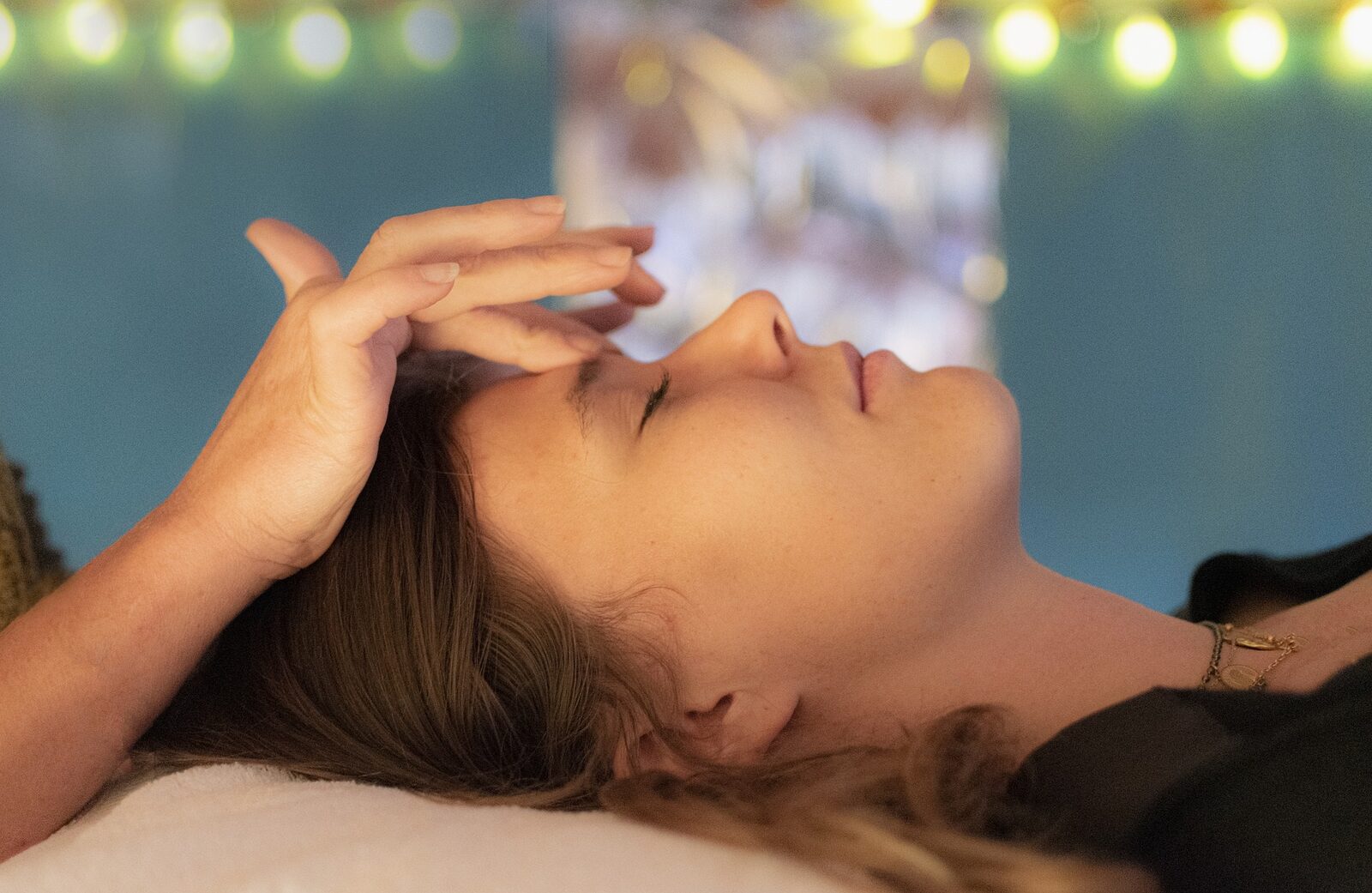
The practitioner places their hands lightly on or above the head, limbs and body, holding each position for roughly 3 to 10 minutes. Before starting, agree clearly which areas may be touched and which should be hands-off.
If an area is tender or the client prefers not to be touched there, the hands can be held just above it.
According to proponents, an energy exchange is said to occur when the practitioner places their hands on or over the body. The practitioner's hands may feel warm or tingly, while others feel nothing in particular. Positions are usually held for a set time or until the practitioner senses a change, not as a required "flow".
When the practitioner feels that the heat, or energy, in their hands has dissipated, they will remove their hands and place them on another part of the body.
What Can You Expect After a Reiki Session?
The experience is personal, and sensations vary from person to person. Some people feel warmth in the practitioner's hands, some feel coolness, and some feel nothing. Mild pulsation or waves of sensation are also reported.
People often find the experience reassuring. Recipients describe being alert yet deeply relaxed, and some fall into a sleep-like state. Afterwards many feel calmer and lighter. These are subjective reports; no particular result is guaranteed, and Reiki is not a treatment for any condition.
Some practitioners describe the effects as building over time, though this is a personal impression. After a session, people sometimes notice:
- A lovely lightness and ease through the whole body
- A sense of being more focused and poised and less reactive
- A more restful night's sleep
Conclusion
In general, a Reiki session is a gentle practice that many find deeply relaxing. It is not massage and not a medical treatment.
Always talk to your doctor about any medical concern, and continue any treatment they prescribe. Reiki is a complementary practice and sits alongside conventional care. If you also use other approaches such as acupuncture, massage or talking therapy, check how they fit together.
Reiki or massage? A comparison
The names are often used together, but the practices are different. A simple comparison:
- Training. A massage therapist completes a recognised massage qualification and may be regulated. A Reiki practitioner completes Reiki training within a lineage; that training does not include massage.
- Touch. Massage uses deliberate manipulation of soft tissue, often with oil and varying pressure. Reiki uses light or no touch, usually with the client clothed.
- Purpose. Massage is used for musculoskeletal complaints, relaxation and rehabilitation, with its own evidence base and risks. Reiki is a spiritual practice; it is not a treatment for a condition.
- Undressing. Massage may require undressing to the level the therapist agrees with the client. Reiki does not.
- Afterwards. Massage may leave muscles sore for a day or two. Reiki has no expected physical after-effect, and any reaction is personal.
If you want massage, book a massage therapist. If you want a quiet spiritual practice, book a Reiki practitioner. Some practitioners offer both, but they should be clear about which service you are receiving and what training each involves.
A session walkthrough
A first Reiki session often follows a simple pattern. You arrive, discuss what you want and any areas you would rather leave alone, and agree whether touch is welcome. You may lie on a couch or sit in a chair, fully clothed, with a blanket if you want one.
The practitioner may begin at the head and move through a series of positions, or work in a different order. They should tell you before each change and give you the option to skip it. You can keep your eyes open or closed, talk or stay quiet, and stop at any point. The room may be silent or have quiet music, if you have agreed.
At the end, the practitioner should give you time to sit up and ask how you feel. You do not have to report a sensation or say that you feel better. If you feel unwell, say so.
Aftercare that is actually useful
Drink water if you are thirsty, eat if you are hungry, and rest if you are tired. There is no required washing or dietary ritual afterwards. If you feel emotional after a session, that is a personal response; it does not prove that Reiki released anything, and it is worth talking to someone you trust if it persists.
If you feel dizzy, have a headache that will not settle, or notice a new symptom, treat it as you would after any other appointment: rest, and seek medical advice if it is concerning. Do not let a practitioner explain it away as an energy shift.
Questions people ask
Is Reiki massage a type of deep-tissue massage? No. Reiki does not involve deep pressure or manipulation. If a practitioner uses massage techniques, ask about their massage training.
Can I keep my clothes on? Yes. Reiki does not require undressing, and you can ask for a blanket or for particular areas to be left alone.
Will the practitioner know what is wrong with me? No. Reiki practitioners are not trained or qualified to diagnose. A sensation in their hands is not a medical finding.
Can I combine Reiki with massage? You can receive both, but they should be separate agreements. Tell each practitioner what else you are using, including any precautions your clinician has recommended.
Related topic: Treatment and hand positions, 10-day treatment with acupressure, Advanced techniques, Alternative techniques in treatment, Alternative ways to use the hands.