


Reiki schools use different names and sequences for practice. The examples below describe language that appears in some lineages; they are not a universal checklist or a claim that an energy process has been scientifically measured. Practitioners may use them as focused attention, meditation, or spiritual practice.
What Is Reiki - Energy Healing?
Reiki is a complementary practice associated with Japan. Practitioners may place hands lightly on a person or hold them just above the body; touch should be discussed and agreed to. Some schools explain the practice through a life-energy concept. NCCIH reports that scientific evidence does not support the proposed energy field and that Reiki has not been clearly shown effective for a health-related purpose. See its overview.
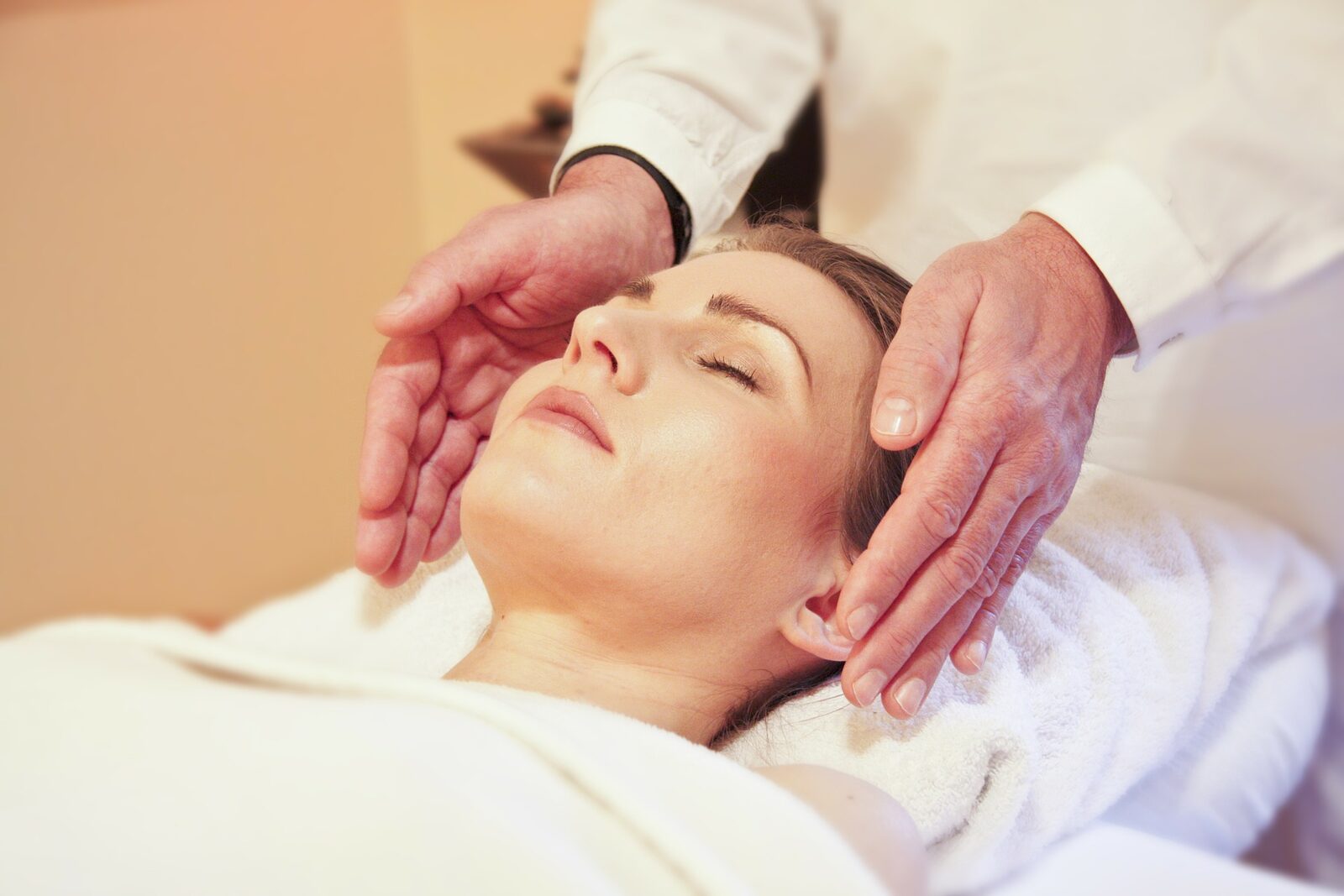
Here Are Some Examples Of Reiki Techniques
- Centering or grounding: a teacher may invite students to pause, settle attention, or notice contact with the floor before practice.
- Beaming: in some schools this means directing attention or using a hand position from a short distance rather than touching.
- Scanning or Byosen: a practitioner may move their hands above the body and notice their own sensations. Those sensations are subjective; they are not a diagnostic test.
- Smoothing or raking: some teachers use a gentle hand movement above or around the body as part of their tradition. Ask what it means in that lineage and whether you can opt out.
- Clearing or space practice: some Reiki practitioners use this phrase for a meditation or ritual intended to mark a transition into practice. It is a spiritual description, not a verified change to a room or person’s energy.
Names and steps differ. If you are learning a technique, ask the teacher to demonstrate it, explain its purpose in their school, and show any touch-based movement before you participate. You can choose a no-touch or seated alternative.
Conclusion
A technique can provide structure for attention and practice without proving a medical effect. Keep expectations clear and respect the recipient’s consent. For evidence about health claims, consult NCCIH’s summary rather than relying on testimonials or a technique name.
Technique, style, and symbol
Three words get used interchangeably, which can make Reiki sound more unified than it is.
- A style or lineage is a tradition of teaching, often traced through a particular teacher. Different styles may use different attunement formats, symbols and sequences.
- A technique is a specific way of practising within a style: a hand position, a gaze, a breath pattern, a meditation or a way of scanning.
- A symbol is a drawn or visualised form used in some styles, usually with a name and a specific use. Symbols are not required for every technique, and their meanings vary.
Knowing which is which helps when you read about Reiki online. A page describing "the Reiki technique" may be describing one teacher's version of one practice.
How to learn a technique responsibly
When a teacher introduces a new technique, ask four questions:
- What is it for, in your tradition? A reflective practice, a way of focusing attention, or something else?
- What exactly will you do, and will you touch me? Ask for a demonstration before you participate.
- What are the alternatives? Can you do it seated, with eyes open, without symbols, or at a distance?
- What should I do if it feels uncomfortable? Agree a stop signal before you begin.
Try it on yourself first if it is a self-practice. With another person, explain it in plain language and ask separately for each step that involves touch, breath or close gaze.
A simple fifteen-minute practice
You can build a short session from the elements above:
- Centre (2 minutes): sit comfortably, feel your feet, and let your breathing settle.
- Choose one technique (5–8 minutes): a hand position, a gentle scan, a symbol reflection, or quiet attention. Use only what you have learned and feel confident with.
- Rest (3 minutes): let your hands rest in your lap and stop doing anything in particular.
- Close (1 minute): thank the person, or bow/gassho if that fits your practice, and check that they are ready to get up.
This is a structure, not a requirement. A five-minute version with only centring and rest is still a complete practice.
Questions people ask
Do I need to be attuned to practise? Many Reiki schools teach that attunement is part of the tradition. Some people practise meditation and hand positions without one. Follow the norms of the school you are learning from, and be honest about your training when offering a session.
Is scanning a way to find illness? No. Sensations in your hands are subjective and are not a diagnostic test. See Byosen Reikan-Ho for the traditional context and its limits.
Can I combine techniques from different styles? You can study more than one style, but mixing them without understanding their context can confuse your practice. Learn one approach well enough to explain it before adding another.
Where do symbols fit? They are optional in many practices and central in others. What Are The Reiki Symbols? gives the general background, and Reiji-Ho describes a traditional way of inviting guidance.
Related topic: Treatment and hand positions, 10-day treatment with acupressure, Advanced techniques, Alternative techniques in treatment, Alternative ways to use the hands.