

People meditate in different ways. A wandering mind, a short session, or choosing not to meditate does not mean someone is doing it incorrectly. Some Reiki practitioners include meditation as a spiritual or reflective practice. People may experience it differently, and no health or personal outcome is guaranteed. Meditation does not demonstrate a Reiki energy field or replace care for a health concern (NCCIH overview of mind and body practices).
The ideas below are options, not rules from every Reiki lineage. You may sit, stand, lie down, keep your eyes open, or stop whenever you wish. Do not force your breathing or try to recover painful memories.
Your Meditation's Purpose
You might choose a quiet pause for reflection, spiritual practice, or simple curiosity. You do not need a special goal, and meditation is not a weight-loss method or a way to guarantee relaxation.
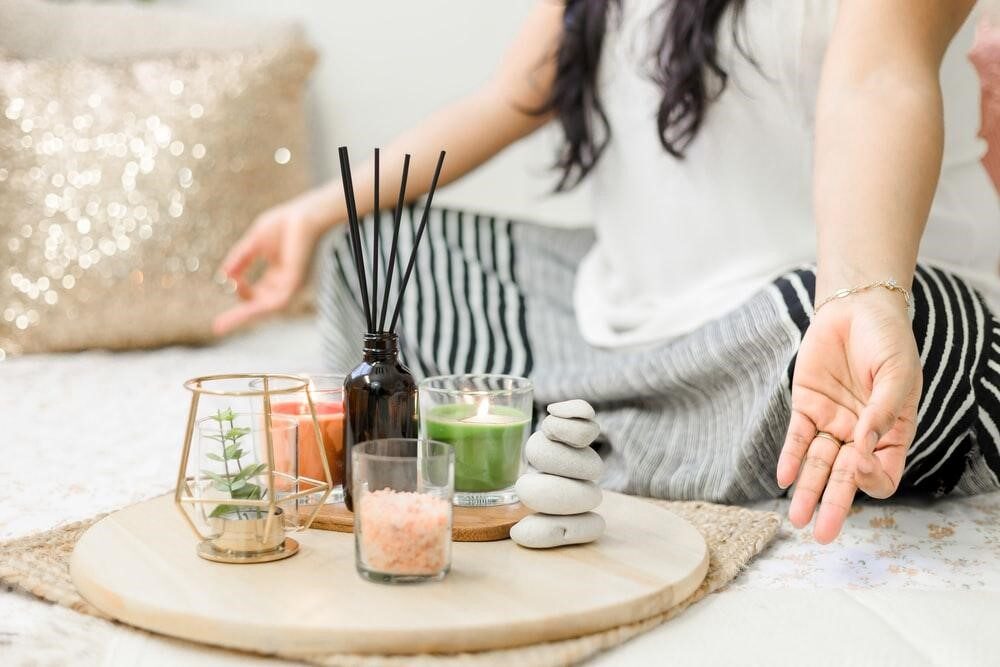
If you prefer, you can bring gentle attention to an ordinary activity such as walking or washing dishes. Keep attention flexible: you may return to the activity without trying to produce a particular state or feeling.
Time to Meditate Should Be Scheduled
If you want a routine, choose a time that fits your day and begin with a few minutes. A shorter session is optional, not a way to build toward a required daily duration. Morning is one possible time; any time that feels comfortable can work. Skip a session when you prefer.
Gassho Meditation
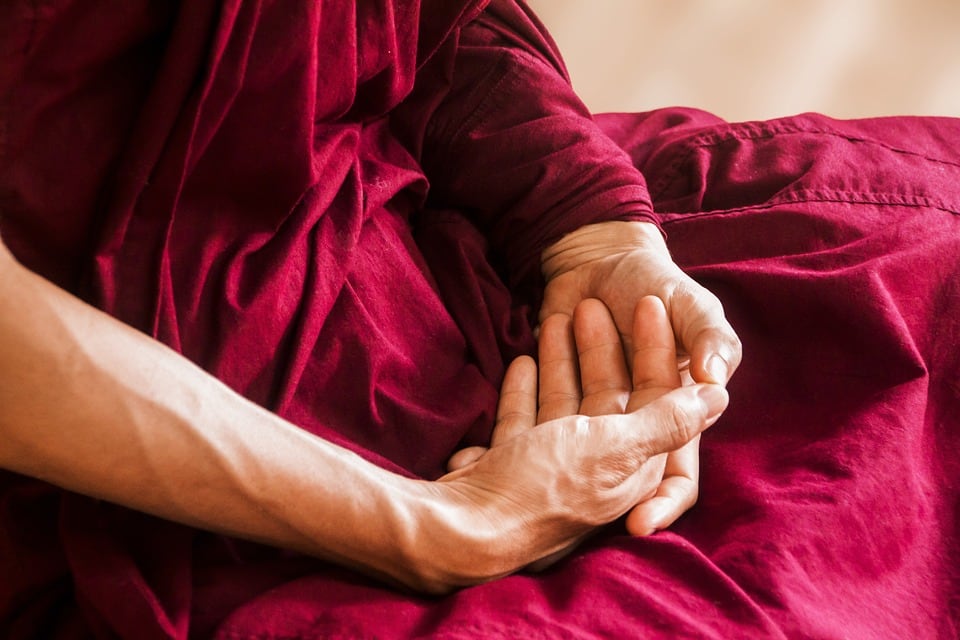
The practice described here is called Gassho and uses the palms-together position. Accounts of Usui's teachings and the history of Reiki meditation vary among lineages, so this page does not present one account as universal. You may rest your hands in your lap or use another comfortable position.
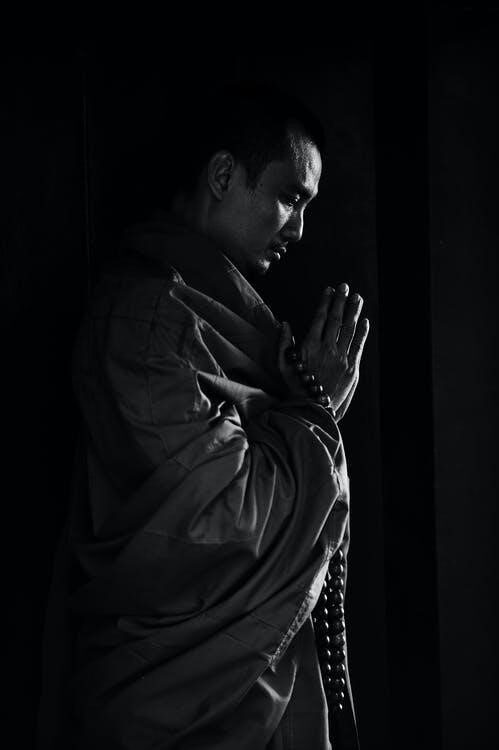
Sit, stand, or lie somewhere comfortable. If the palms-together posture feels good, let the hands rest gently; otherwise leave them apart. You may repeat “I am present,” use another phrase, or sit quietly. Let breathing happen naturally. If your attention wanders, gently return to the phrase or to an ordinary sound in the room. There is no energy level to maintain, and you may stop at any time.
Water Meditation
This water exercise is a simple sensory reflection, not a historical Reiki method claimed here and not a way to purify water, cleanse an aura, or provide treatment. Do not drink the water as part of the exercise or use it as drinking-water treatment.

Use a small amount of clean water at room temperature or comfortably warm—never handle boiling water for this exercise. Set a stable shallow bowl near a sink and keep a towel nearby. If you have a cut, skin irritation, or any reason water on your hands may be uncomfortable, skip this exercise.
If comfortable, rest your hands in the bowl for a moment and notice the temperature. You can lift a little water in your cupped palms and let it run back into the bowl. There is no need to hold your breath or keep your hands submerged. Dry your hands when you are ready.
If it belongs to your Reiki practice, you may visualize a symbol such as the power symbol or repeat its name as a spiritual focus. This does not purify the water or make Reiki energy stay with you. You may jot down a thought afterward, but there is no need to record or interpret anything.
Gassho and the water reflection are two options, not “most effective” methods. Keep the parts that feel comfortable and leave the rest.
Matching a practice to the moment
| If you feel… | Try… | Why it may help |
|---|---|---|
| Restless | Walking meditation or a standing Gassho | Movement gives attention somewhere to go |
| Tired | Eyes-open practice, splashing water, or a short stretch first | Closing your eyes may deepen sleepiness |
| Anxious | A shorter session with natural breathing and a wider gaze | Less emphasis on internal sensation can feel less claustrophobic |
| Busy | Three minutes of Gassho before a meeting | A small boundary is easier to keep than a long one |
| Numb or flat | The water reflection or a sound-based practice | Sensory contact can be easier than sitting with thoughts |
This table is a set of suggestions, not a diagnosis. If anxiety or low mood is persistent, a qualified professional can help you choose support.
A ten-minute Gassho session
- Settle (1 minute): sit comfortably, feel your feet, and let your hands rest.
- Gassho (1 minute): bring your palms together if comfortable, or rest them in your lap.
- Phrase (5 minutes): repeat "I am present" or another short phrase silently. When you notice you have drifted, return without commentary.
- Stillness (2 minutes): let the phrase go and sit quietly, noticing the room.
- Close (1 minute): lower your hands, take one ordinary breath, and choose your next action.
You can shorten any section or stop early. The timings are a scaffold, not a requirement.
Questions people ask
My mind wanders constantly. Am I doing it wrong? No. Noticing that attention has wandered and returning is the practice, not a failure of it.
I fall asleep every time. Try sitting up, opening a window, practising earlier in the day, or keeping your eyes slightly open. If you are exhausted, sleep may be the more useful response.
Can I meditate lying down? Yes, if you can stay comfortable and awake. A chair is often easier for a first practice.
Is Gassho religious? It is a palms-together gesture used in several Japanese traditions. Some people experience it as prayer; others use it simply as a posture of attention.
Do I need a special room or cushion? No. A chair, a bed or a quiet corner is enough. What Is Meditation? covers the different styles in more detail, and Hatsurei-Ho describes a related Reiki practice in some lineages.
Related topic: Reiki healing guides, Heyoka empath, Levels of consciousness, Inspirational quotes, The benefits of Reiki healing.