

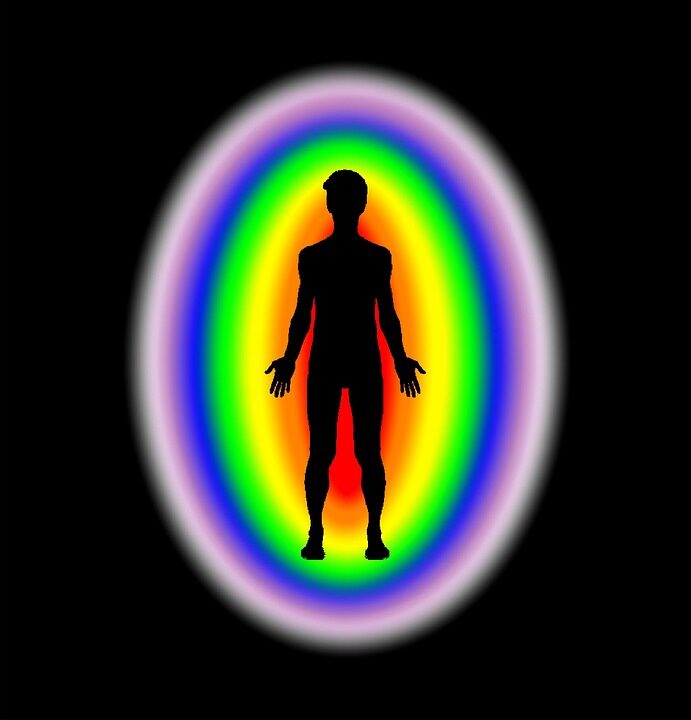
In many spiritual traditions, the aura is described as an energy or light field surrounding the body. In the Theosophical model followed here, it is said to have seven layers, with denser layers nearest the body and finer, higher vibrations further out. Most people are said to have an oval (elliptical) aura that extends above the head and below the feet, slightly larger at the back than the front. These layers belong to a spiritual map, not to measurable anatomy, and there is no scientific evidence for the aura as a physical field. The aura's apparent size is said to vary with health, mood, and comfort, but this is a matter of tradition and personal experience rather than diagnosis.
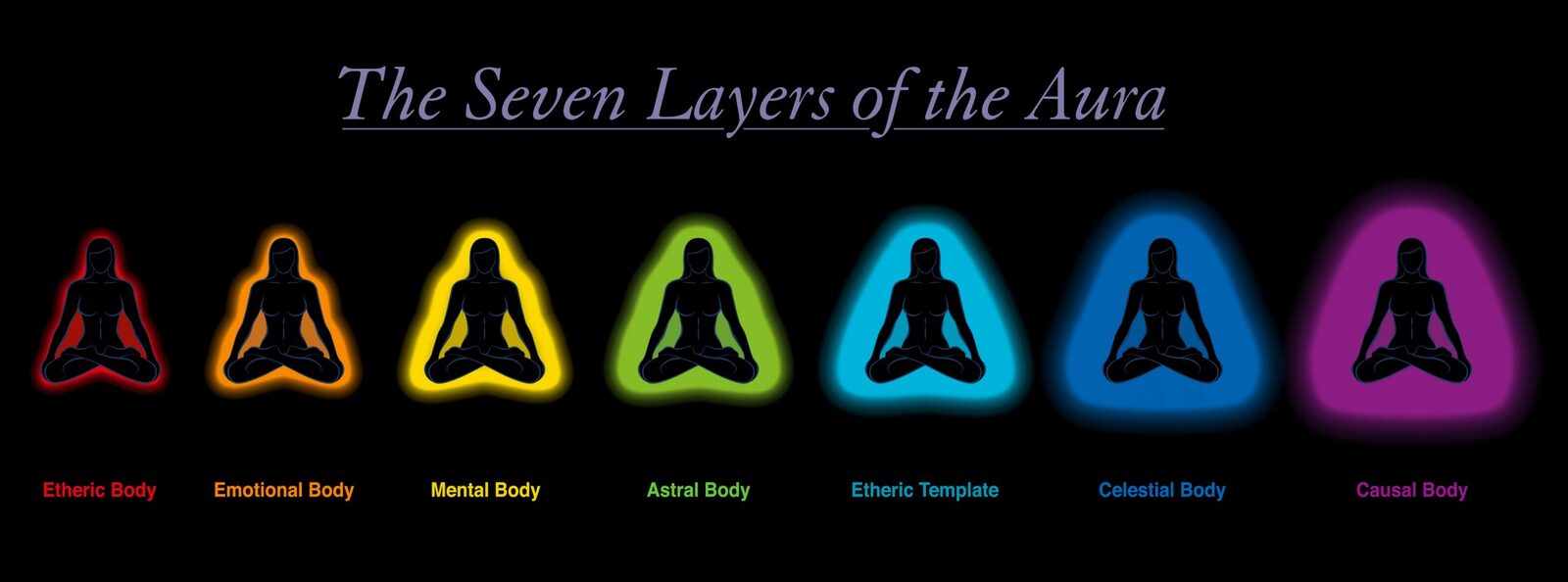
The Seven Layers Of The Aura
In this tradition, the aura is described as present from birth (and possibly before) until death. Some practitioners say its layers and outer edges can be sensed with the hands, or with dowsing rods and a pendulum; the denser layers nearest the body are said to become visible with practice. These are subjective experiences, not measurements, and they cannot be used to diagnose health. The bright golden halo painted around angels, prophets, and saints is a religious image of spiritual radiance.
Aura sensing is often taught early in Reiki classes, because it gives students a way to explore the idea of energy and life force before working with Reiki more directly.
Physical Aura Plane
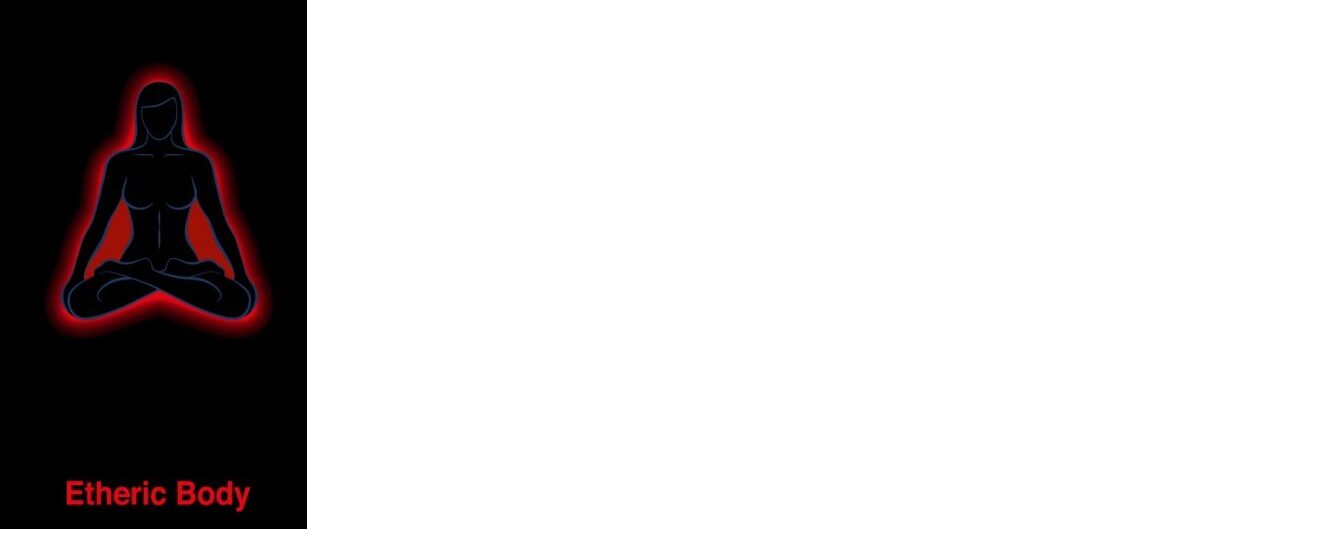
In this model, the physical aura plane (also called the etheric plane) is the layer closest to the skin and is associated with the physical body.
Emotional Aura Plane
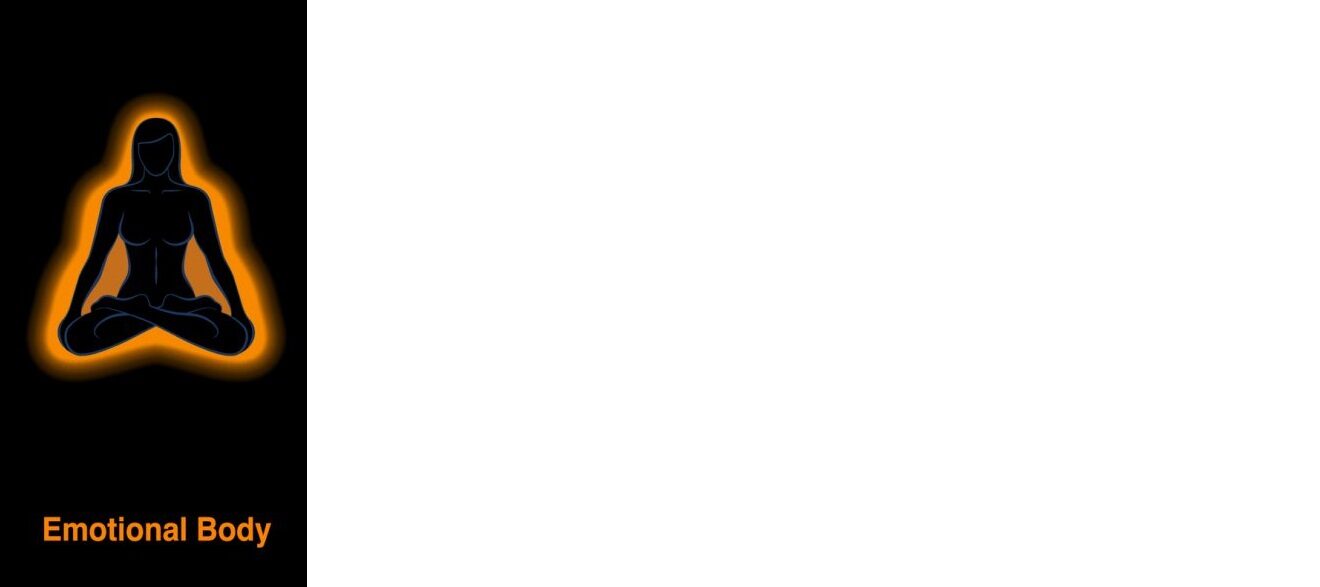
This layer is associated with feelings. Practitioners describe it as changing colour with mood, appearing dull or smudged when someone is having a difficult day.
Mental Aura Plane
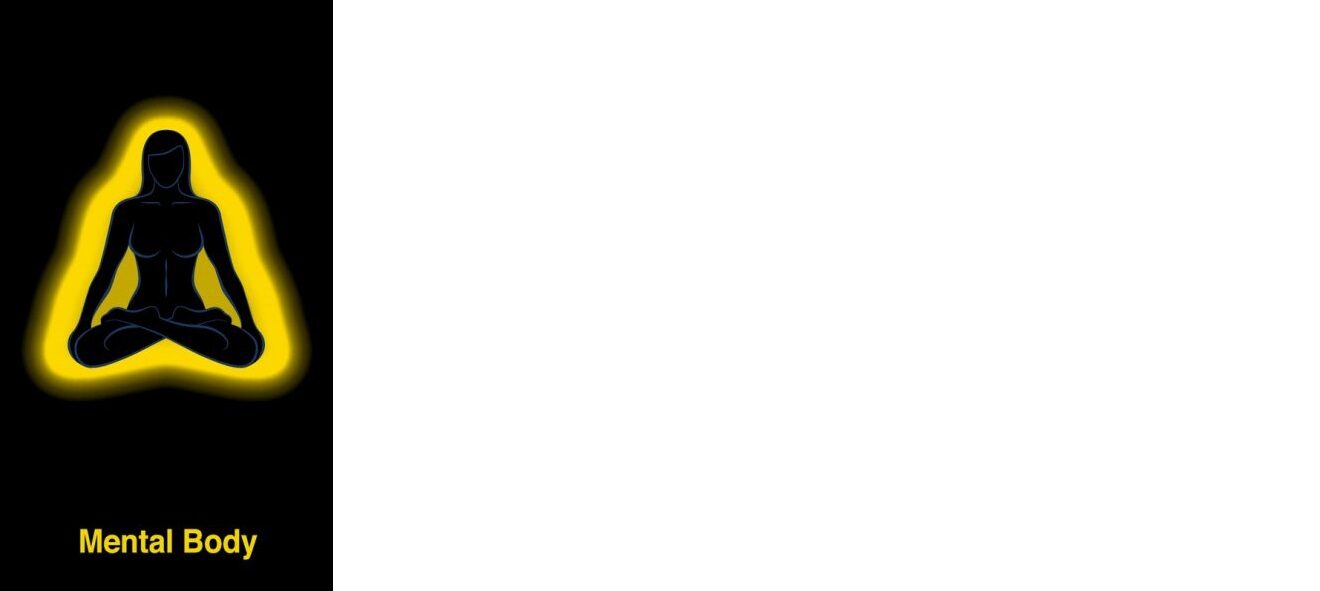
This layer is associated with logic, reasoning, and ideas. It is described as the third layer extending from the body.
Astral Body Aura Plane
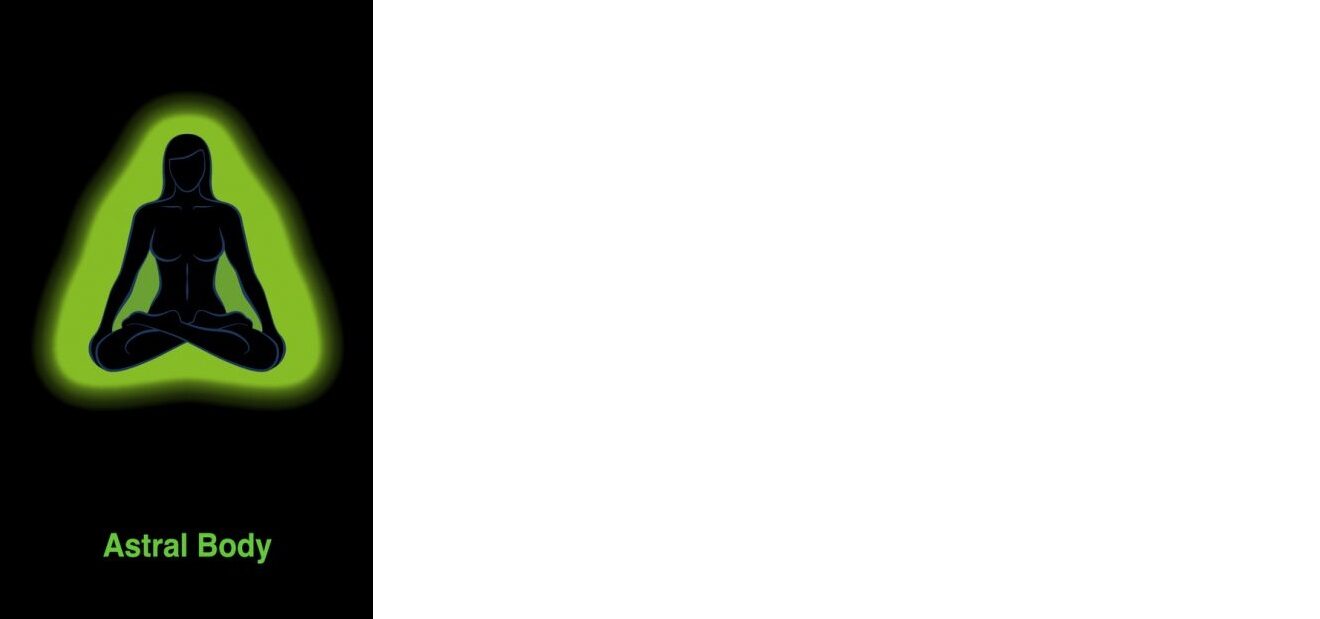
This layer is associated with spiritual wellbeing and with the capacity for love.
Etheric Aura Plane

This is where deeper intuitive gifts are said to awaken. A clear etheric plane is described as allowing you to attune to the energy of others and connect with people on the same wavelength.
Celestial Aura Plane
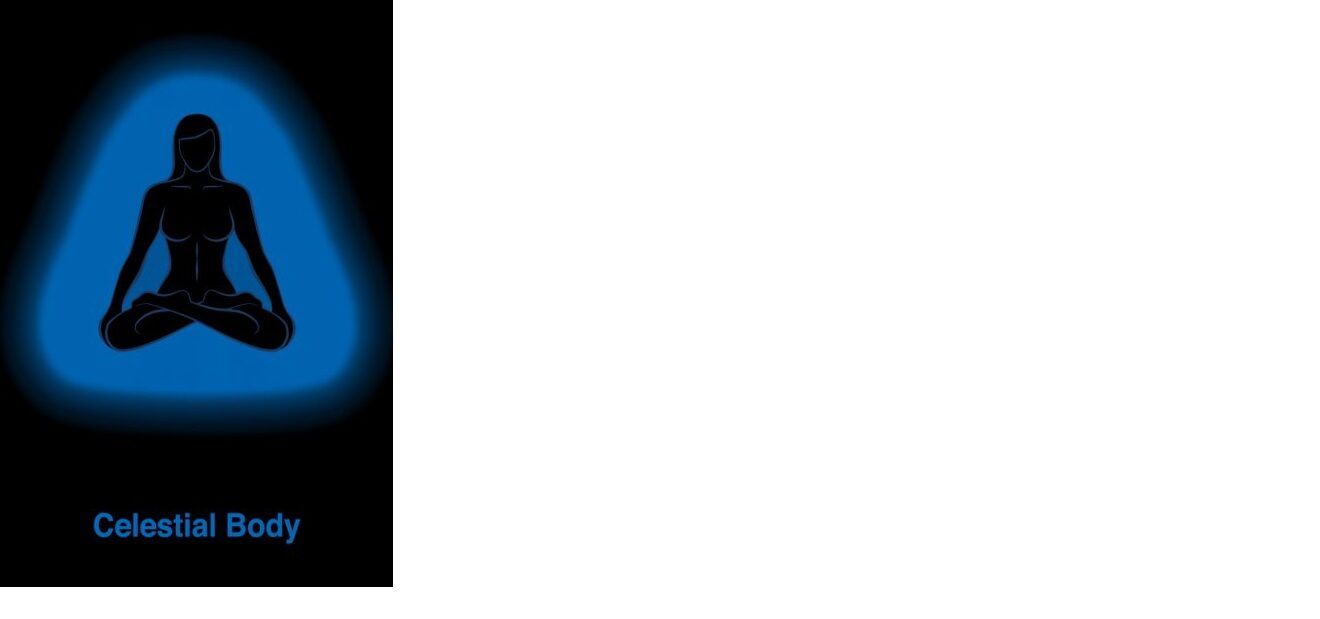
This layer is associated with dreams and intuition. It is also called the plane of awakening; those with a vivid celestial layer are often described as richly creative.
Causal Aura Plane
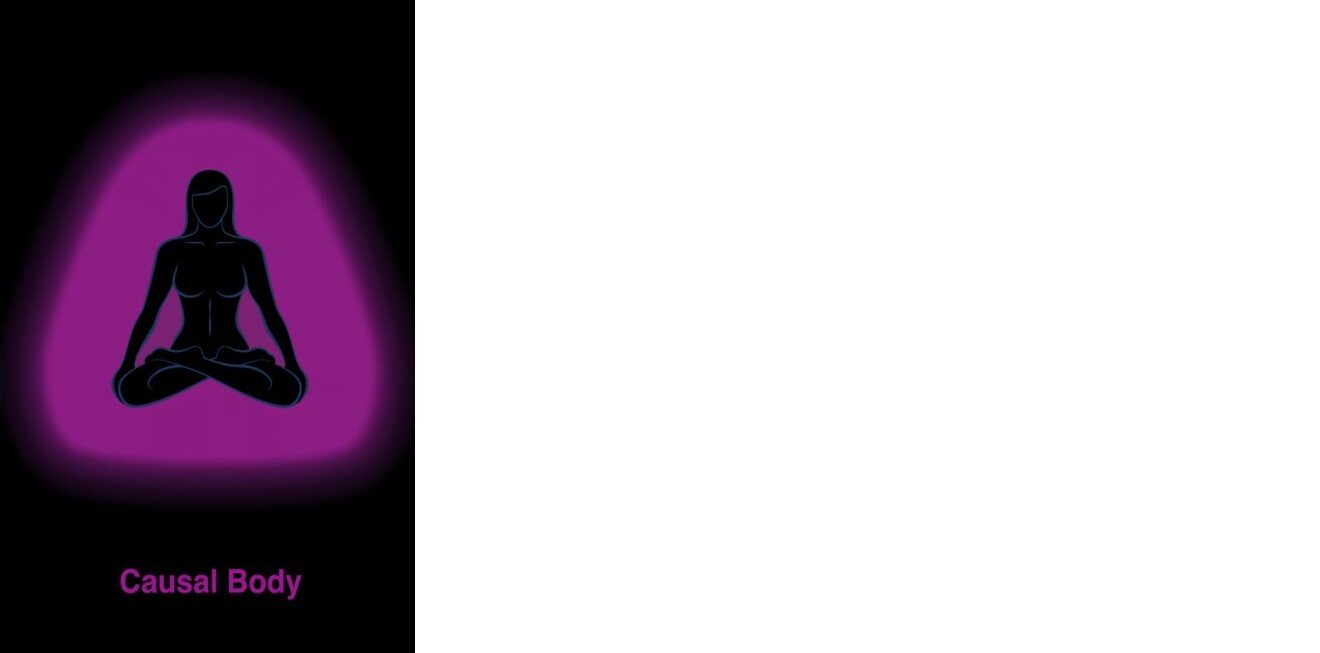
This is the final layer of the aura. It is said to harmonise the other layers and to help you navigate your life's path.
In some descriptions, the aura layers are spoken of as polarised, the way a magnet has poles—simply a different set of symbolic labels rather than good or bad. Some people are described as having mostly one polarity, others a mix. Because each person is unique, there is no "right" or "wrong" pattern.
Comparing Seven-Layer Models
The layer names on this page describe one spiritual framework. When comparing it with a teacher's account, check the actual names and meanings they use rather than assuming that identical words refer to identical ideas.
A useful study note has three columns: the layer name, the quality associated with it in your course, and the teaching or book the description comes from. Keep uncertainty visible rather than trying to force every chart into one system. Ask your teacher which parts belong to the lineage they teach and which are additional imagery they find useful.
You can work with the imagery without needing to settle its history or regard the layers as physical structures. Its value in a personal practice depends on how you use it, rather than how precisely you can map it around a body.
How The Layers Are Used In Practice
In Reiki teaching, the layers are usually treated as a way of organising attention rather than as separate objects to be fixed. A practitioner might describe a session as working “through the layers,” meaning that they moved from physical sensation to emotional awareness to a quieter, more contemplative state. The language is poetic, and it can be genuinely useful for pacing a session.
Two cautions are worth keeping in view. First, a layered model can invite over-interpretation: a client’s tiredness does not prove that their “etheric body” is depleted. Second, the model should not be used to rank people spiritually. Someone who reports vivid dreams is not more advanced than someone who does not, and a quiet session is not a failed one.
If you work with the model, use it as a checklist for your own attention:
- Physical: What can I actually feel—temperature, tension, contact with the chair?
- Emotional: What mood is present in the room, including my own?
- Mental: What am I telling myself about this session?
- Subtle or spiritual: What meaning, if any, does this hold for the recipient?
The first three questions are ordinary human observation. The fourth is where the tradition’s vocabulary begins, and where you should be most careful not to present belief as fact.
A Reflective Exercise With The Layers
This exercise is for personal reflection, not for diagnosing yourself or anyone else. It takes about ten minutes.
- Sit comfortably and bring to mind one situation that has been on your mind.
- Picture the seven layers as a set of nested ovals around you, without trying to see them clearly.
- Ask, in turn: What is happening in my body about this? What am I feeling? What am I thinking? What meaning am I giving it?
- Notice which question is hardest to answer. That difficulty is often more informative than a colourful image.
- Finish by choosing one practical response—a conversation, a rest, a boundary, or a note to yourself.
You can use the layer names if they help you remember the sequence, or drop them entirely. The value is in the shift from a vague worry to a specific question.
Questions That Come Up
Can I learn to see auras? Some people report seeing a glow around bodies after practice. Reports vary, and there is no reliable evidence that this reveals health or character. If you try the visualisation on this site, treat what you notice as personal experience.
Are the layers physical? No. They belong to a spiritual model. The physical body has skin, nerves, circulation, and electromagnetic activity, but none of these is the “etheric layer” described here.
Does Reiki balance the layers? In the tradition, practitioners may describe Reiki as bringing the layers into harmony. That is a spiritual claim, not a measured outcome. Reiki can be a calming practice without being a medical treatment.
Which layer should I work on? There is no reliable way to diagnose a layer, and you do not need to. Choose the reflective question that fits your situation, or use the sensing exercise as a quiet way to notice sensation without interpretation.
Related topic: Chakras and aura, Herbs for chakra wellness, Chakra colors, Daily chakra exercises, The heart chakra.