
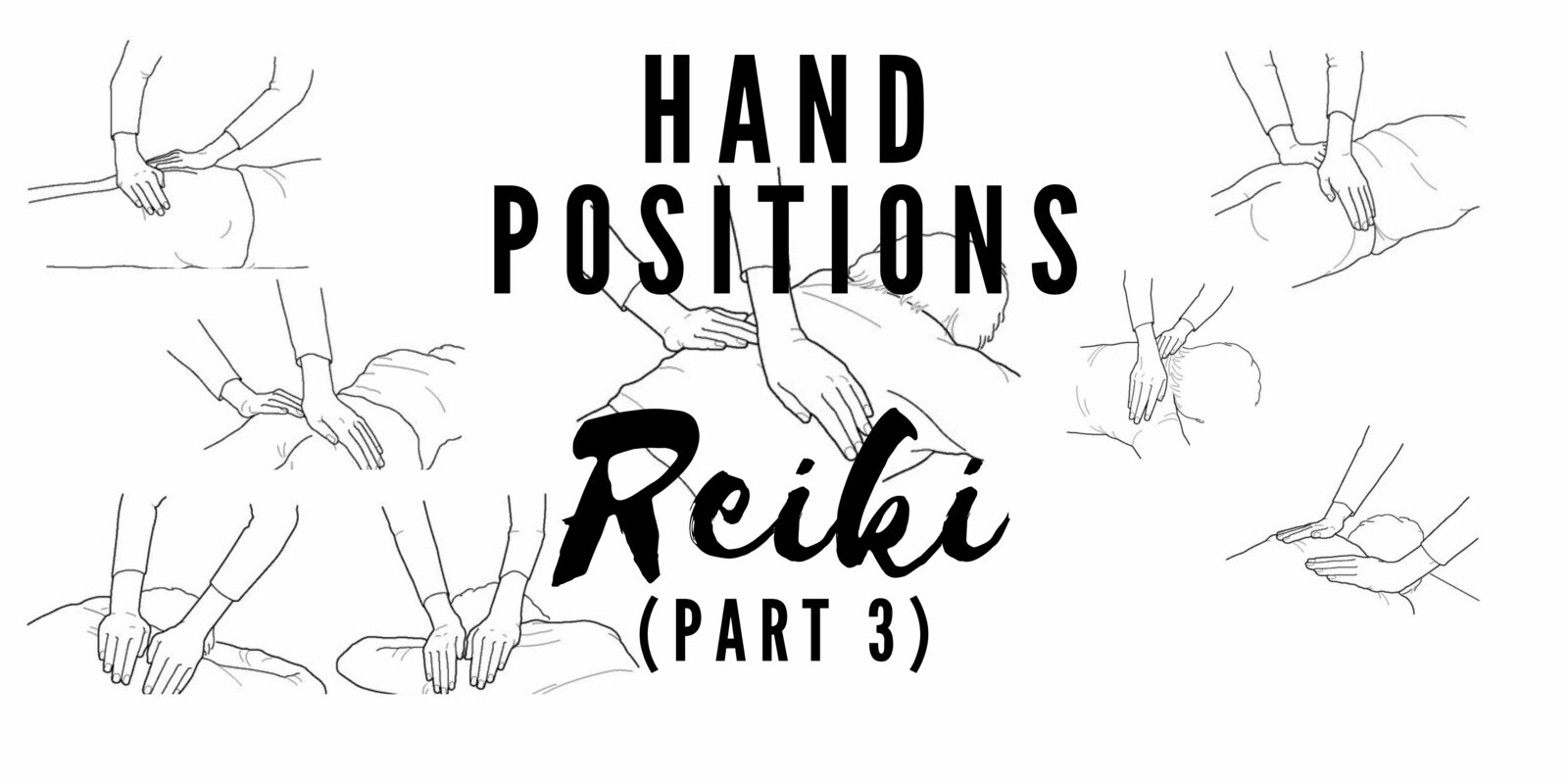
This guide follows a back-of-body hand-position sequence. Ask the client in advance whether they want hands-on contact, hands held above the body, or no hand positions. Ask separately before each area and before any repositioning. Keep the client clothed and covered; the client can change position themselves or decline. A sleeping client must not be touched or repositioned. Consent may be withdrawn at any time.
If the client is comfortable turning over, let them do so independently and choose a supported position. Do not pat, massage, or move a client to wake or reposition them. A face cradle, pillow, or side-lying posture is optional and chosen by the client.
Hand Positions For The Back Of The Body
The positions below are shown as a traditional sequence. Each can be adapted to hands held above clothing, or skipped entirely. There is no requirement to touch any body area, including the shoulders, back, waist, or buttocks.
The Shoulders
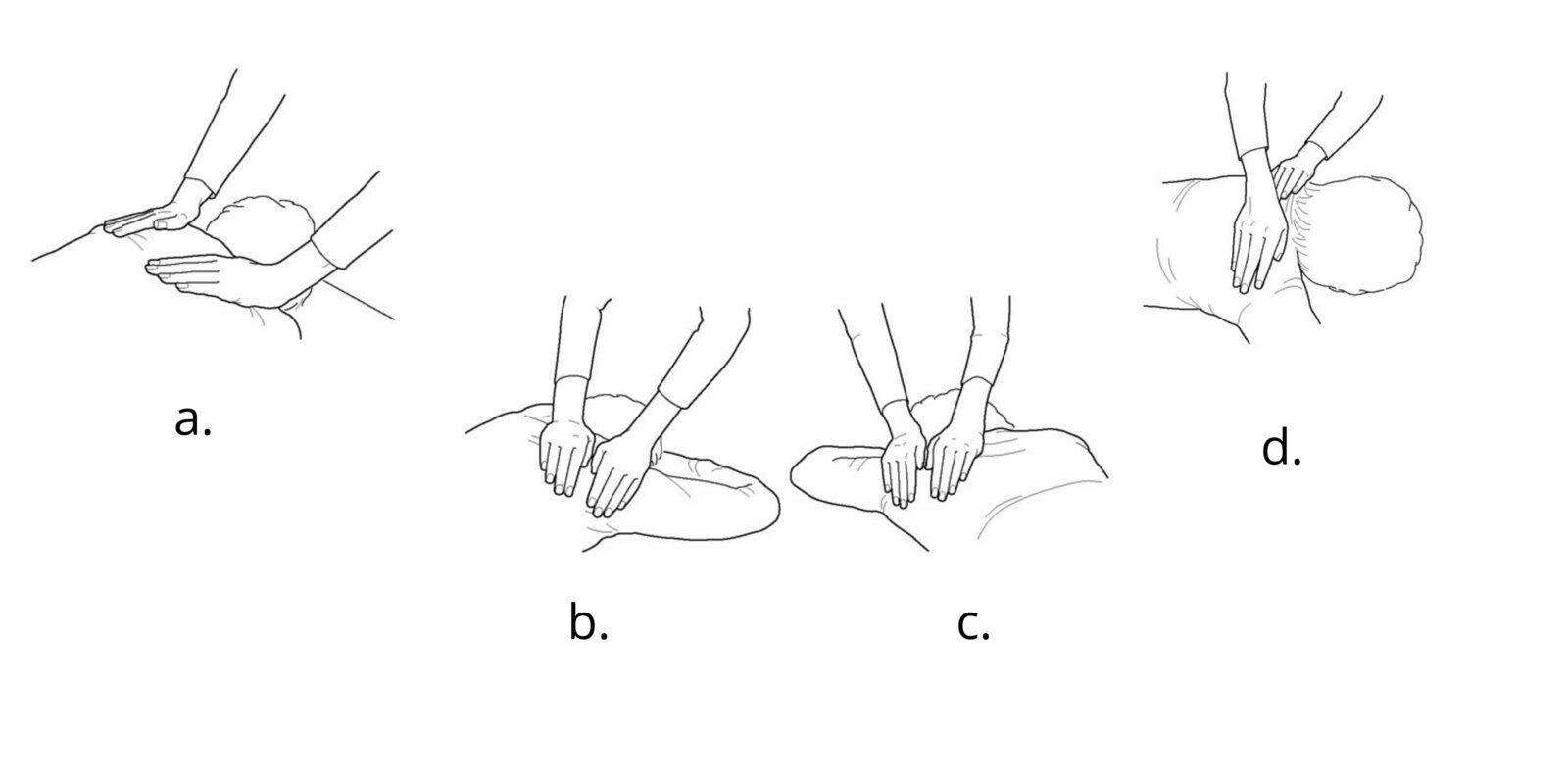
The illustrations show two hands over the shoulders together or one shoulder at a time. With permission for this specific area, a practitioner may instead hold their hands a comfortable distance above the clothed shoulders. The client may choose how long to remain in a position, and the practitioner should stop if asked.
The Back
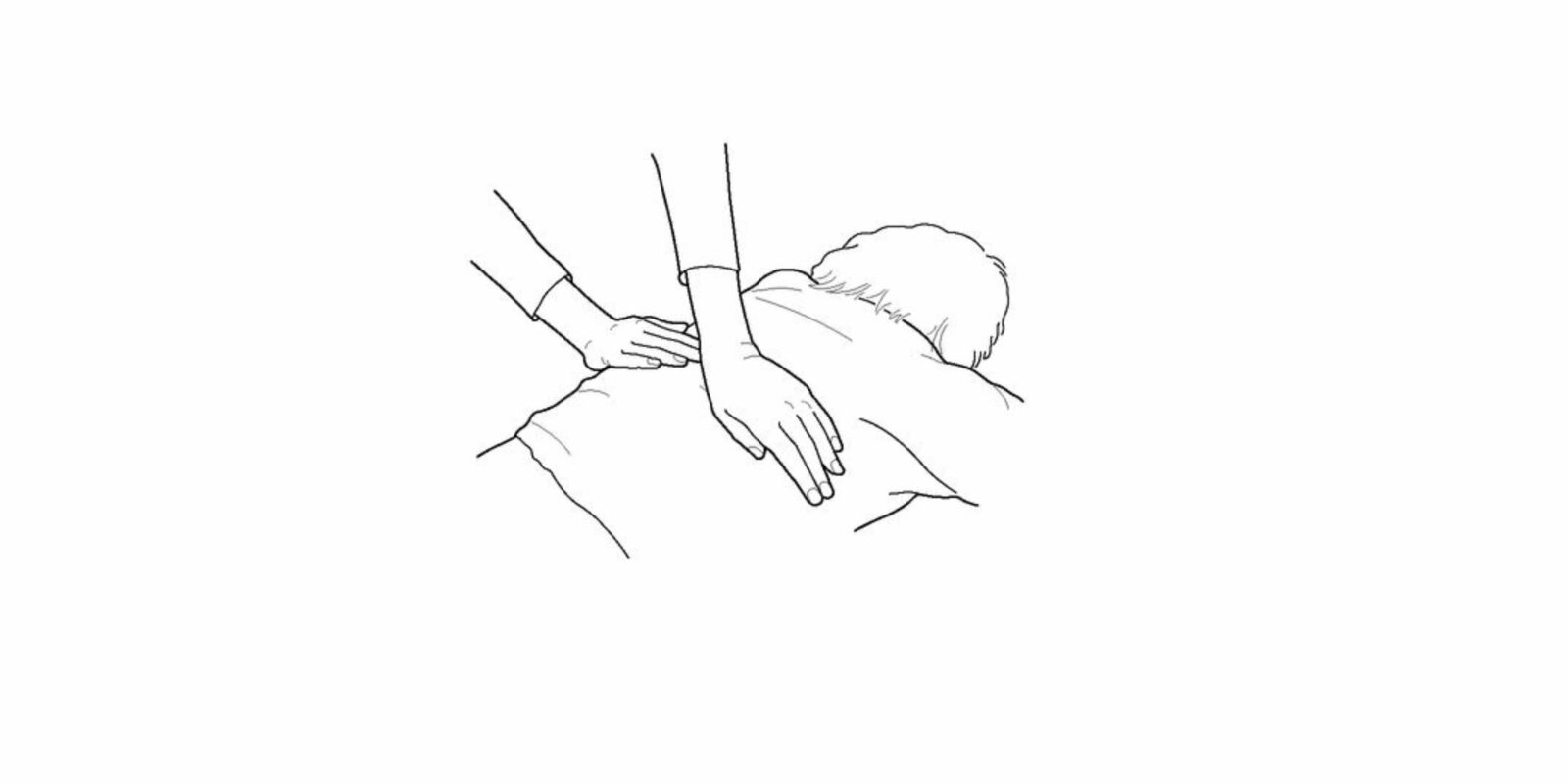
The illustration places hands on either side of the spine. Touch is optional. A hands-off version can be held above the clothing, leaving any distance the client prefers. Do not press on the spine or interpret sensations as a health assessment.
The Waist
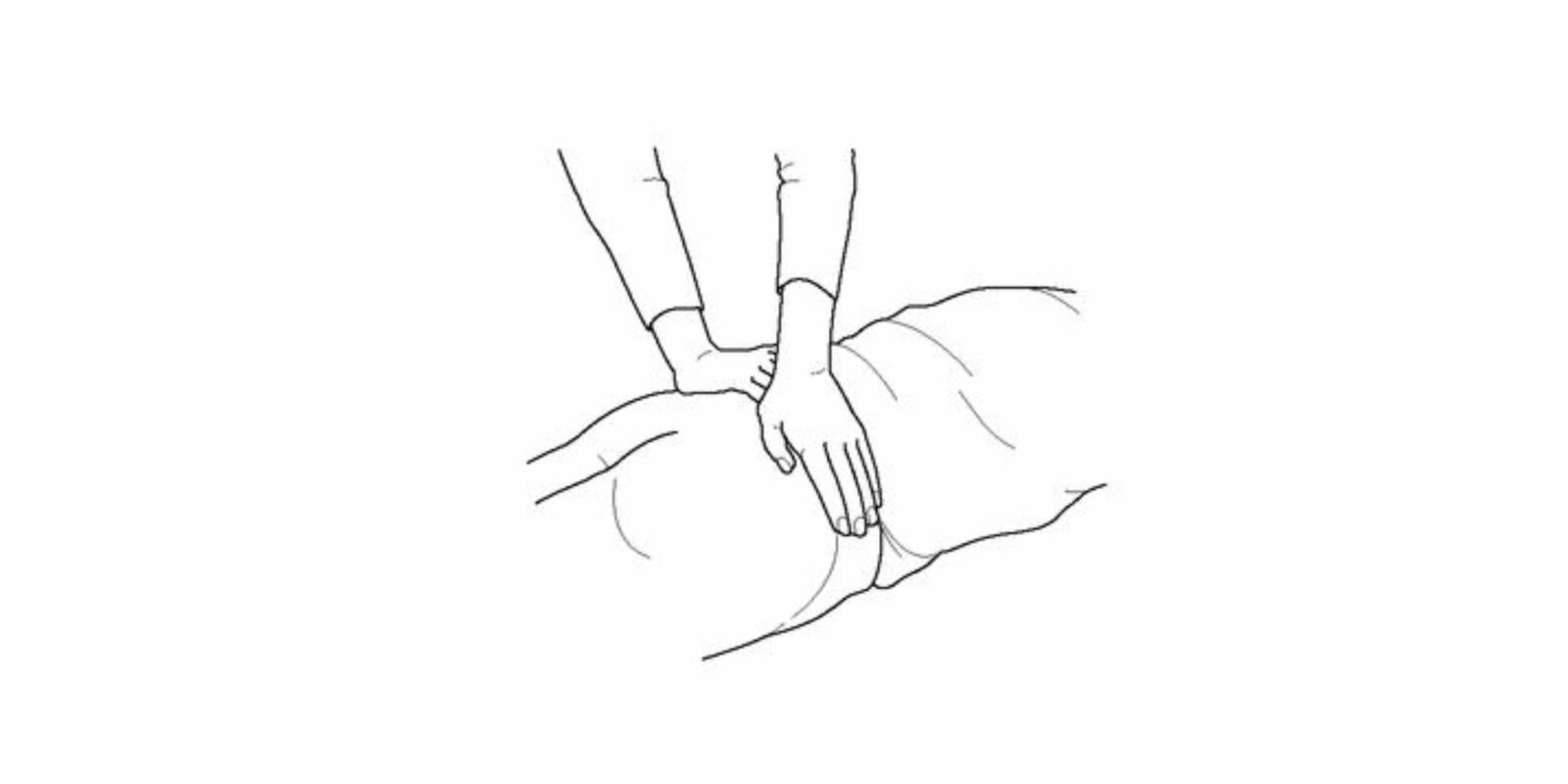
The waist position is shown on both sides of the body. It may be omitted, or the practitioner can hold hands above clothing only if the client explicitly agrees to that area and approach. The client remains covered.
The Buttocks
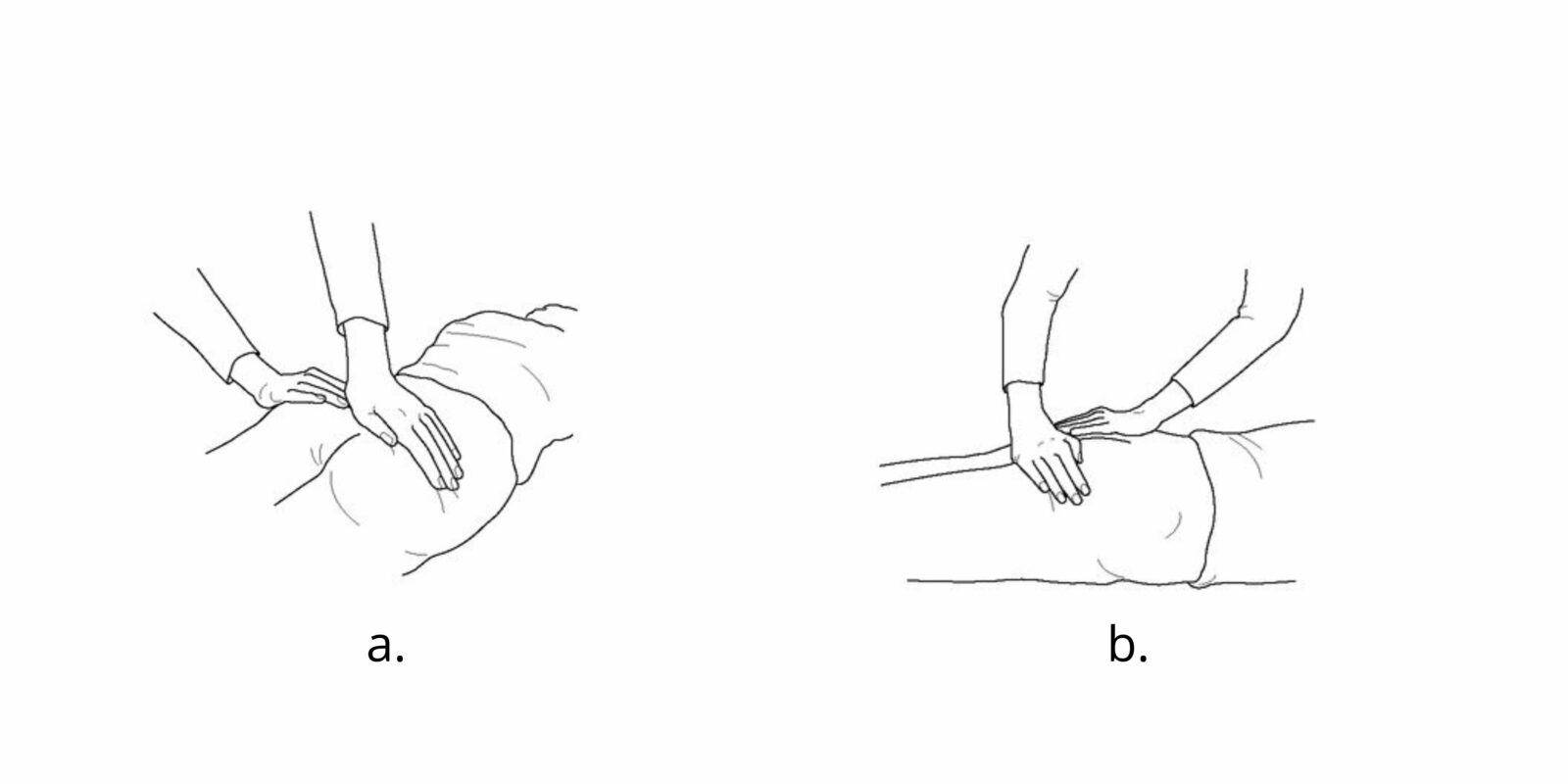
This sensitive area does not need hands-on contact. Keep this position hands-off or skip it. Wanting an area included is not permission for physical contact. Discuss the exact proposed approach first and respect the client's choice. Never infer permission from silence, relaxation, or sleep.
Before a session, explain the options and let the client choose. Reiki is a complementary spiritual practice, not a substitute for medical care or a guaranteed treatment outcome.
Setting up a comfortable back sequence
The back positions are easier to receive than to give. A side-lying posture with a pillow between the knees and another under the head often allows the spine to rest without the client needing to turn face-down. If a treatment table with a face cradle is available, ask whether the client wants it; some people find it uncomfortable for the neck, and a rolled towel may be better.
Keep the room warm, since the back is exposed for longer than the front. Use a sheet or blanket that covers everything except the area you are working with, and re-cover each area as you move on. Ask before adjusting the covering, the pillow or the table height. If the client needs to change position, give them time and privacy rather than helping unless they ask.
A hands-off back sequence
If the client prefers no contact, the same sequence works with hands held a comfortable distance above the body:
- Hover over the shoulders, one side at a time.
- Move slowly down either side of the spine, keeping the palms open.
- Pause above the waist, then above the sacrum or buttocks only if the client has agreed to that area.
- Return to the shoulders and finish with a quiet pause.
Keep your hands relaxed and your movements slow and predictable. Do not hover so close that the client cannot tell whether you are touching. Say where your hands are going before you move them, and keep the whole sequence shorter if the client is uneasy.
After the back positions
Before the client sits up, tell them the sequence is finished and give them a moment. Ask whether they would like to turn over, sit up slowly, or stay as they are. Offer water and a tissue, and mention where the bathroom is. If they feel dizzy or unwell, let them stay lying down and seek ordinary medical advice if it continues.
Write only the practical notes you need for continuity, such as positions used and any preference the client expressed. Do not record guesses about their health or energy. The front-of-body page covers the positions that usually come first, and the hand-position introduction explains how the sequences fit together.
Related topic: Treatment and hand positions, 10-day treatment with acupressure, Advanced techniques, Alternative techniques in treatment, Alternative ways to use the hands.