Reiki and Low Back Pain
Low-back pain has many possible causes. These ideas may help you find comfortable ways to move or relax, but they are not a diagnosis or a promise that Reiki or exercise will remove pain. Back pain often improves over time. Seek advice from a qualified health professional if you are worried, pain limits daily activities, or it is not improving. See NHS guidance on back pain for other reasons to seek care.
Stay as active as you comfortably can rather than spending prolonged periods in bed. Gentle movement can be easier to begin than strenuous exercise. The NICE guideline on low-back pain recommends advice and self-management, including continuing normal activities where possible.
Reiki as a relaxation practice
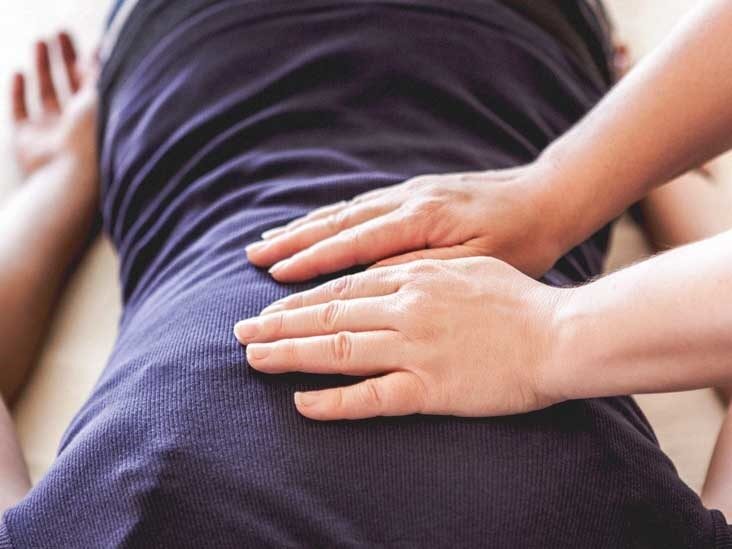
Reiki is described in the tradition as a practice involving light touch or hands held above the body. Some people choose a session for personal or spiritual reasons. It has not been clearly shown effective for any health-related purpose, including pain, and scientific evidence does not support its proposed energy field (NCCIH; NCCIH on chronic pain and complementary approaches).

For a self-session, sit or lie in a comfortable position and rest your hands lightly at the lower back or keep them above the body. This is an optional relaxation ritual, not a technique that accesses a particular muscle or treats the cause of pain. You can stop at any time. Ask before touching another person and respect their preference for no touch.
Gentle core movement
Movement and exercise can be part of low-back-pain care, but no single exercise is right for everyone. If a clinician or physiotherapist has recommended a specific program, follow their guidance. Do not push through pain that is worsening.
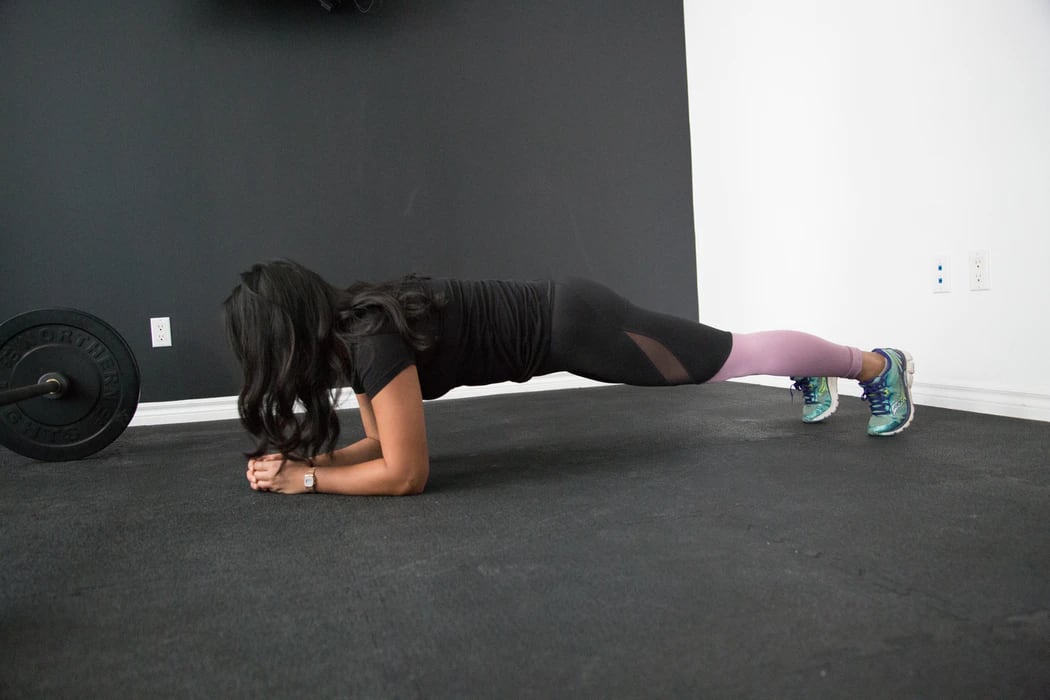
Modified forearm plank
- Start on hands and knees on a stable, comfortable surface.
- Lower your forearms to the floor with elbows directly under your shoulders; keep both knees on the floor.
- If comfortable, shift your hips forward slightly so your shoulders, hips, and knees form a long line. Keep your knees down throughout; do not step your feet back or lift your knees.
- Breathe normally and hold only briefly, then lower your hips and rest. Stop if pain increases or you feel unwell. A health professional can suggest an adapted exercise if you need one.
Acupuncture
Acupuncture is a practice involving stimulation of points on the body with needles. Some traditional Chinese medicine accounts describe points along meridians and the flow of qi; these are traditional concepts, not established anatomical channels. Evidence for low-back pain varies by duration and approach. NCCIH summarizes low- or moderate-quality evidence that some practices, including acupuncture, may help some people with chronic low-back pain, and low-quality evidence for acute pain; it also notes that safety depends on the approach and person (NCCIH low-back-pain overview).
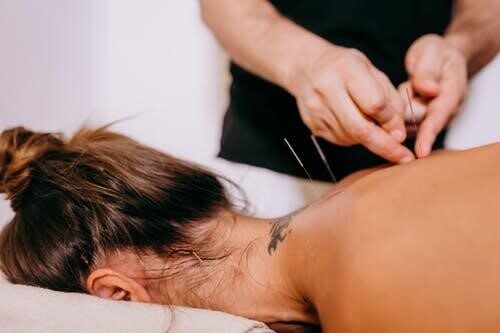
A qualified acupuncturist chooses points based on the person's needs and training; there is no single Reiki-linked set of points that readers should try themselves. If you are considering acupuncture, ask about qualifications, sterile needles, likely benefits, and risks, and discuss it with your health care provider.
Gentle yoga and stretches
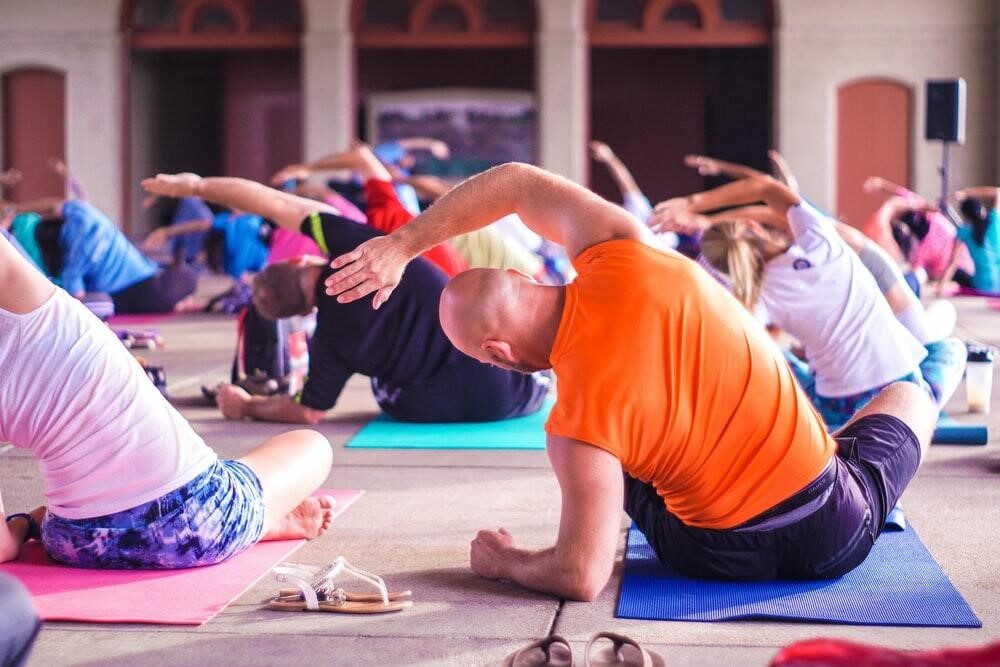
Yoga and gentle movement are options for some people. Choose an instructor who can offer variations, move at a comfortable pace, and skip anything that increases symptoms. Stretching is not required for recovery.
Supine twist
- Lie on your back with knees bent and feet resting on the floor.
- Let your arms rest out to the sides if comfortable.
- Keeping the movement small, allow both knees to tip toward one side while your shoulders remain relaxed. Do not force them toward the floor.
- Return to center, pause, and try the other side only if it feels comfortable. A pillow under the knees may help. Stop if pain increases.
This is a small, optional movement. Stop if it increases pain or feels uncomfortable.
Butterfly pose
- Sit on a folded blanket or supportive surface.
- Bring the soles of your feet together only as close as feels comfortable.
- Let your knees fall outward without pressing them down.
- Sit upright or lean forward slightly from the hips if this is comfortable, then return upright. Stop if there is pain or strain.
Seated hamstring stretch
- Sit with one leg extended and the other bent comfortably.
- Keep your back long and hinge forward only a little from your hips, stopping well before a painful stretch.
- Hold briefly while breathing normally, then return upright and change sides if comfortable.
A gentle class may offer support with variations; it is fine to rest or skip a pose.
Inversion and legs-up-the-wall
Some people use a legs-up-the-wall position as a restful pose. It has not been established as a way to decompress, reset, or treat the spine, and inversion tables or headstands are not needed for back-pain self-care. If you want to try the restful pose, sit sideways next to a wall, lower onto your side, then roll onto your back and lift your legs onto the wall only as far as feels comfortable. Keep your hips on the floor, use a pillow for comfort if wanted, and come out by bending your knees and rolling to your side. Skip it if it feels uncomfortable or you have been advised to avoid it.
Keep moving in a way that suits you
Walking, swimming, and other low-impact activities may be manageable options depending on the person and cause of pain. Build activity gradually and adapt it to your comfort. If pain is worsening or activity feels unsafe, seek personalized advice rather than trying to push through it.
Seek urgent medical help
Use local emergency services or urgent medical care for back pain with new weakness, numbness, or tingling in both legs; loss of feeling around the genitals or anus; difficulty controlling or emptying the bladder or bowel; chest pain; or pain after a serious accident. These warning signs are listed in NHS back-pain guidance.
Sources
- Back pain — NHS
- Low back pain and sciatica in over 16s — NICE guideline NG59
- Low-back pain and complementary health approaches — NCCIH
- Reiki — NCCIH
Related topic: Reiki healing guides, Heyoka empath, Levels of consciousness, Inspirational quotes, The benefits of Reiki healing.