
Breathing awareness gives you something simple to return to during Reiki practice: the ordinary movement of an inhale and an exhale. This guide combines that attention with optional chakra imagery, a gentle hand sequence and a short movement practice. Choose one exercise rather than feeling you have to complete them all.
Chakras are part of the spiritual framework used here; they are not organs or a way to measure oxygen, health or Reiki ability. Keep your breathing comfortable. There is no required breath hold, perfect visualization or sensation to achieve. Stop if you feel dizzy, strained or uneasy, and return to your usual breathing.
The Chakra Breathing
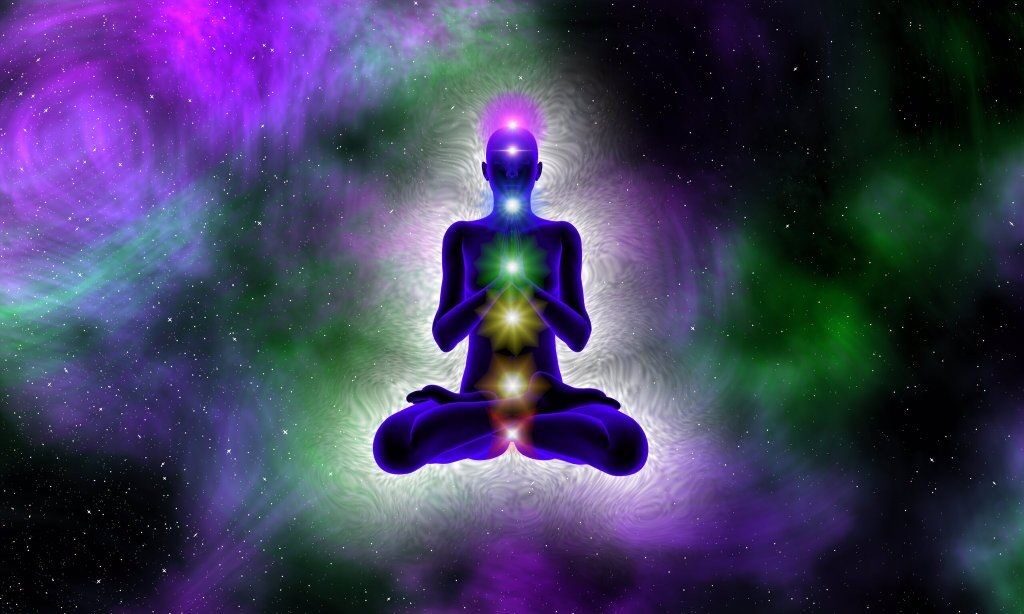
In this exercise, the chakra map provides an order for attention. You can use the seven-centre sequence you were taught, or simply focus on one area that feels comfortable. Color and light are imaginative prompts, not things you need to see.
- Sit with support or lie comfortably. Keep your eyes open or closed, whichever you prefer.
- Notice two or three ordinary breaths before adding any imagery.
- If you wish, picture a soft color or light near the root, sacral, solar plexus, heart, throat, brow and crown centres in turn. Pause at each for an ordinary breath or two; there is no need to count forty-nine breaths or match someone else's pace.
- If a part of the visualization feels unwelcome, skip it. You can return to the room, the feeling of the chair or the movement of breathing.
- Finish by noticing your surroundings and choosing whether to continue your Reiki practice or leave it there.
A wandering mind or an absence of imagery is ordinary. The purpose is to explore a way of paying attention, not to pass a test. For more on the map itself, see the chakra and meridian guide.
Comfort checks instead of a breath score
There is no validated “chakra breath” score. A timed breath hold cannot tell you how your chakras function or whether you are ready for Reiki. Do not pinch your nose, continue through an urge to breathe or compare yourself with a forty-second target.
Use a few ordinary observations instead: Are you comfortable in your position? Are you breathing without deliberately straining? Would moving, opening your eyes or taking a break help? These questions guide your comfort rather than diagnose anything.
The chart below shows a breath-hold scoring system, not a validated measure of chakra function or health. Use the comfort checks above rather than trying to reach a breath-hold target.
Diaphragmatic Breathing - Belly Breathing
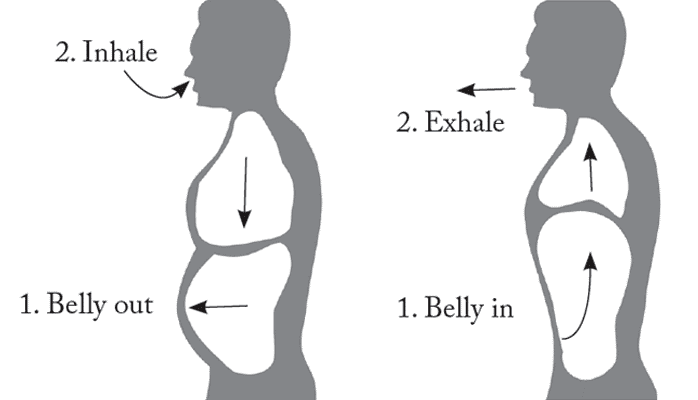
The diaphragm sits below the lungs, separating the chest from the abdomen. The lungs are in the chest; they are not near a sacral chakra in the lower abdomen. As the diaphragm moves with an inhale, the abdomen may move outward. This ordinary anatomy is separate from the chakra visualization.
For a gentle awareness exercise, find a comfortable supported position and rest a hand lightly on your abdomen. Notice its movement for a few breaths without pushing the belly out or making the chest stay still. You can then let your breath deepen a little if that feels comfortable, keeping it gentle rather than trying to fill or empty the lungs as much as possible.
Some people like a quiet count during the inhale and exhale; others find counting distracting. The NHS breathing exercise gives one gentle approach, and Guy's and St Thomas' explains abdominal breathing and the diaphragm. Use a method that suits you and any guidance you have from your own clinician. Ordinary mouth breathing does not mean oxygen cannot reach the lungs, and a breath pattern is not a moral or spiritual failure.
The Dry Bath - Kenyoku-Ho
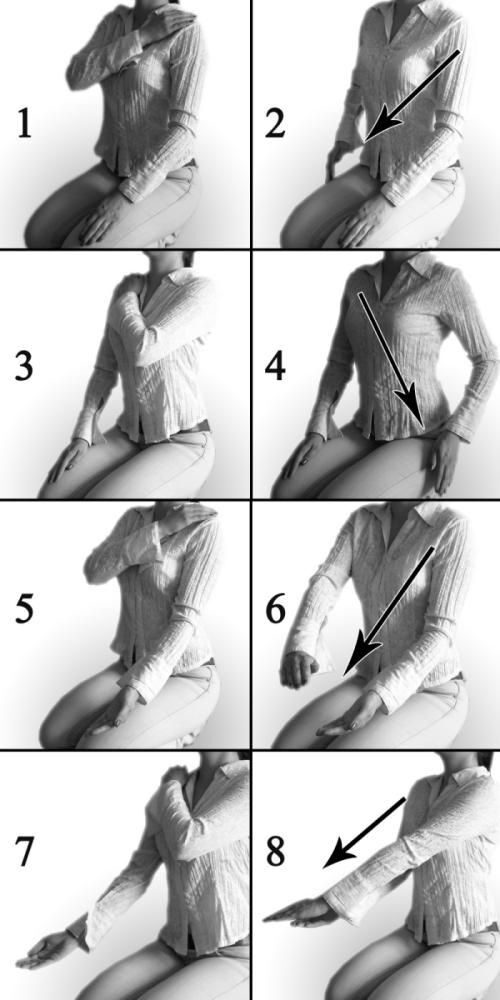
Kenyoku-ho is a Reiki hand-movement practice often called “dry bathing.” Some teachers use it as a ritual transition before or after a session. It is not a breathing test or physical removal of toxins. William Lee Rand describes one version at the International Center for Reiki Training; schools may teach variations.
Try the movements lightly over your own clothing, or hover if touch is uncomfortable. Keep breathing normally throughout.
- Begin with a brief Gassho pause: bring your palms together if comfortable, or rest your hands.
- Place or hover your right hand near the left shoulder, then sweep diagonally toward the right hip. Reverse the movement with the left hand from the right shoulder toward the left hip.
- Repeat the first diagonal sweep if it is part of the version you learned.
- Extend the left arm comfortably. Sweep the right hand from the left shoulder along the arm toward the fingertips. Reverse sides, then repeat the left-arm sweep if you wish.
- Let the hands settle and end with another quiet pause. A small release gesture can be part of the ritual; forceful flicking or stretching is unnecessary.
Use a shorter range or skip a movement that hurts. If you prefer stillness, the opening and closing pauses can be your whole practice. The self-cleansing techniques page explores other lineage-specific rituals.
Energy Channeling
Some practitioners describe this meditation as channeling Reiki. That language expresses a spiritual understanding, rather than a measured transfer of energy. Breathing still means taking in and releasing air.
After settling, choose a simple intention such as “I will make space for this practice.” On an ordinary inhale, imagine light if that is useful to you. On the exhale, soften your attention and let the image fade or continue. You can move through the chakra centres as above, stay with the hands or use no image at all. Finish by noticing the room and resting the hands.
There is no need to wait for a sensation before beginning, and no sensation establishes an energy field. NCCIH summarizes what is known about Reiki's health claims.
A gentle breath-and-movement variation
The earlier teaching paired breathing with raised arms. You can explore a simpler version without labeling it a higher skill:
- Sit or stand comfortably with enough space around you. Let the jaw and tongue rest naturally.
- As you breathe normally, lift the hands only as far as is comfortable, perhaps no higher than the chest. Lower them at your own pace. Breath and movement do not have to synchronize.
- If you enjoy chakra imagery, choose one centre as an imaginative focus. Otherwise, notice the movement of your hands.
- Repeat only if you want to, then rest. Leave the arms down if raising them is uncomfortable.
You do not have to master another exercise first, hold a pose for three seconds or push through discomfort. A quiet pause is a complete option in itself.
Questions that often come up
How long should I practise? Start with a brief pause that feels manageable. A longer session is a choice rather than proof of progress; finish while you are comfortable.
Must I breathe through my nose? No breathing route is a Reiki requirement. Follow any personal medical guidance, keep the breath easy and avoid forcing a blocked or uncomfortable route.
What if I feel nothing? Nothing unusual is required. You can notice the support beneath you, return to ordinary breathing or choose a different way to reflect.
Can this treat a breathing problem? This page is a Reiki reflection guide. It cannot assess or treat breathing symptoms. Stop an exercise that makes you feel unwell and seek appropriate medical advice for symptoms rather than interpreting them as chakra imbalance.
Related topic: Chakras and aura, Herbs for chakra wellness, Chakra colors, Daily chakra exercises, The heart chakra.