


People use color in art, clothing, and spiritual reflection. Color associations vary among traditions and individuals; this page offers symbolic prompts, not a therapy or medical recommendation. Looking at or wearing a color has not been shown here to treat an illness or change a chakra or energy field.
Color associations
Some people use colors as a focus for reflection. These associations are examples, not effects that a color produces in everyone.
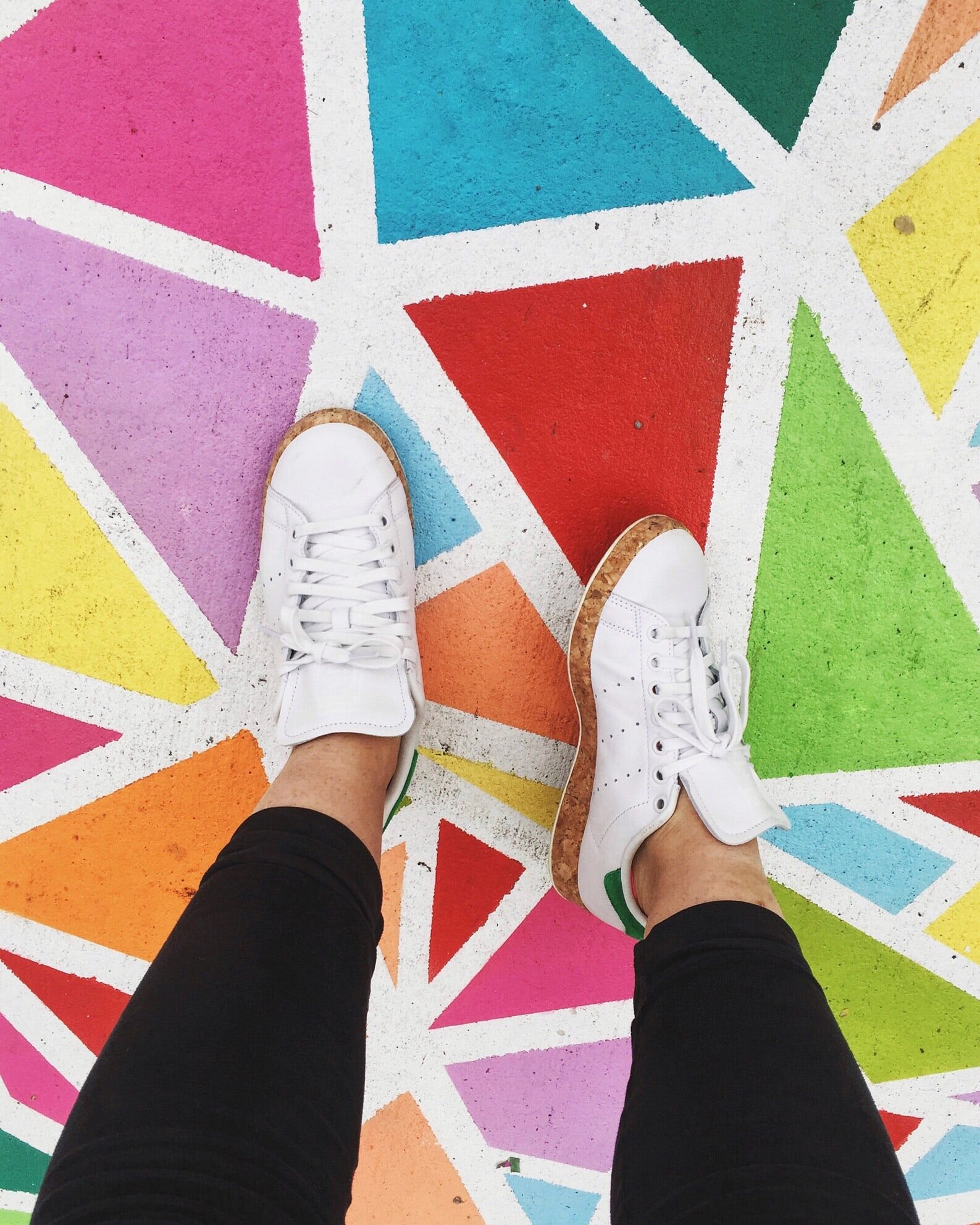
- Red: sometimes associated with passion or intensity; it does not increase physical vitality.
- Orange: may suggest warmth or creativity in a personal color practice; it does not energize an aura.
- Yellow: may be used as a prompt for brightness or optimism; it cannot replace support for difficult thoughts.
- Green: often reminds people of plants or growth; it does not heal or produce positive thinking.
- Blue: some people associate it with calm or clarity; others may feel differently.
- Indigo: some chakra-based teachings associate it with the “third eye”; this is a spiritual symbol, not a measure of vision or intuition.
- Purple: may symbolize spirituality or contemplation in some practices; it does not balance a chakra.
- Black: some traditions use it symbolically for protection; it does not block or repel a physical force or energy.
- White: may represent light or renewal in some traditions; it does not alter an energy field.
- Pink: may serve as a personal cue for kindness or affection, not a way to create an emotion.
- Teal: may remind someone of water or openness; it does not clear thoughts or emotional distress.
- Cream: a soft neutral shade some people prefer in a room or artwork; no calming effect is guaranteed.
- Brown: may evoke soil, wood, or steadiness; it does not provide physical strength or ground energy.
A personal color reflection
Choose a color you enjoy, or use one from a Reiki or chakra tradition you follow. Notice what memories or ideas it brings up, if any. You can change colors or stop; there is no right response, and no color is prescribed for a mental state. Use color as decoration or reflection if it suits you, alongside—not instead of—care you choose for a health concern.
How Colour Works As A Prompt
A colour cannot instruct the body or mind to do anything. What it can do is give attention somewhere to land. Looking at a particular shade, choosing a scarf, or arranging flowers on a table creates a small pause in the day. In that pause, you may notice a mood, a memory, or a decision you have been avoiding.
This is close to how art and interior design already work. A room painted a deep green may feel restful to one person and gloomy to another, depending on light, memory, and association. The colour is not producing the feeling by itself; it is part of a scene that your mind interprets. A spiritual colour practice adds intention to that ordinary response.
Colour language can also be a way to talk about experience that is hard to put into words. “I feel grey today” communicates something before you can name it precisely. Used that way, colour is a metaphor—useful, human, and not a measurement of health.
A Short Colour Reflection
This exercise takes about ten minutes and needs no special equipment. It is a reflective practice, not a treatment.
- Choose one colour that you associate with a quality you would like more of in your week—calm, courage, play, rest, or something else. Do not worry about which chakra it belongs to.
- Find that colour somewhere real: a piece of clothing, a book cover, a plant, a picture, or a paint sample. Hold it or sit with it where you can see it.
- Take three comfortable breaths and look at the colour without trying to feel anything in particular.
- Ask yourself one open question, such as: “What would make this week feel a little more like this colour?” Let the answer arrive in its own time.
- Write down one small action that fits the answer. It might be practical—going to bed earlier, texting a friend, clearing a surface—rather than symbolic.
- Put the colour object somewhere you will see it again, or simply end the practice and go about your day.
If nothing comes, that is a fine result. The exercise is a prompt, not a test of intuition.
Colour At Home And In Clothing
Some people find it easier to live with colour than to meditate on it. A few cushions, a blanket, a mug, or a notebook can bring a shade into daily view without requiring a belief about what it does. In clothing, colour can be a way of dressing for the day you want to have—or simply a way to enjoy what you wear.
Two practical considerations are worth keeping in mind:
- Light changes colour. A shade that looks warm in daylight may look dull under a cool bulb. If a colour matters to you, check it in the room where you will use it.
- Comfort and culture matter more than charts. Colour meanings vary across cultures and families. A colour that symbolizes celebration in one tradition may signal mourning in another. Your own associations are the ones you will actually feel.
There is no need to coordinate your home or wardrobe with a chakra chart. If a colour scheme helps you feel settled and pleasant in a space, that is a real benefit of design, even without an energy claim.
Questions That Come Up
What place does colour have in healthcare? Colour and light can affect mood and perception in everyday ways, but they are not a treatment for disease. Seek appropriate medical care for health concerns.
Do I have to use the traditional chakra colours? No. The seven-colour chakra map is one symbolic system among several. Personal associations are just as usable for reflection, and some colour traditions assign different hues to the same centres.
What if I dislike the colour for a chakra I am interested in? Choose another colour that carries a similar meaning for you, or work with the chakra idea without colour. The map is a tool, not a prescription.
Is colour therapy the same as Reiki? No. Colour practices and Reiki are separate traditions, though some practitioners combine them. The guide to chakras and meridians explains the symbolic map that often links the two.
Related topic: Chakras and aura, Herbs for chakra wellness, Chakra colors, Daily chakra exercises, The heart chakra.